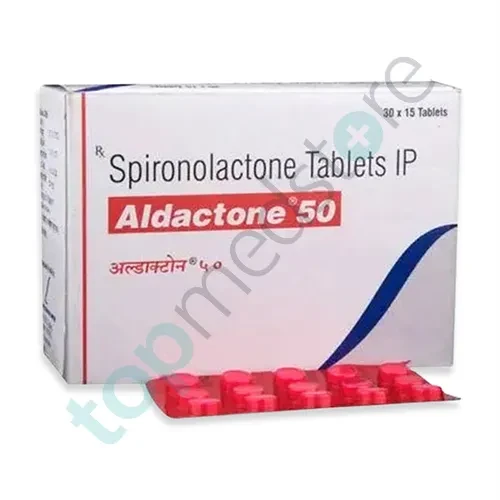
Spironolactone 50mg Tablets
$16.20 – $52.80
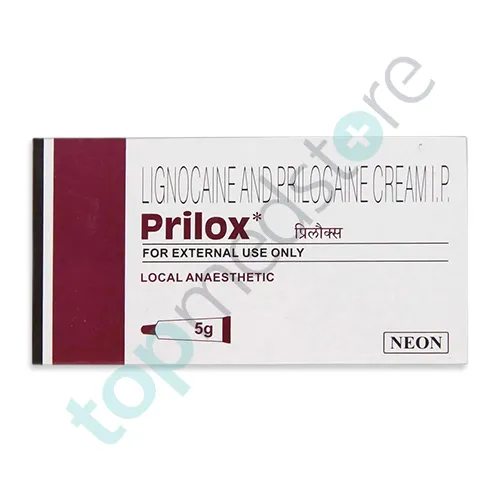
Lidocaine–Prilocaine is a topical local anesthetic cream used to temporarily numb the skin before minor medical procedures. It helps reduce pain and discomfort during needle injections, blood draws, minor surgeries, or skin treatments.
A local anesthetic is a type of medicine that blocks pain in a specific area without making the person unconscious.
This combination contains two medicines:
Lidocaine, which blocks pain signals from nerves.
Prilocaine, which also numbs the skin and enhances pain relief when combined with lidocaine.
People often search for Lidocaine Prilocaine cream uses, numbing cream for injections, pain-free injection cream, skin numbing anesthetic cream, and minor procedure pain relief cream when learning about this product.
A physician, dermatologist, or healthcare professional usually recommends it before procedures that may cause pain or discomfort.
It is applied directly on the skin and works locally in the applied area.
Lidocaine–Prilocaine works by blocking pain signals in the skin.
Normally, when the skin is touched or injured, nerves send pain signals to the brain. The brain then interprets these signals as pain.
This cream blocks sodium channels in nerve endings. These channels are important for sending pain signals.
When these channels are blocked, the nerves cannot send pain messages properly.
As a result, the area becomes temporarily numb.
Lidocaine acts quickly to reduce pain signals.
Prilocaine supports and prolongs the numbing effect.
Together, they provide deeper and longer-lasting local anesthesia.
Doctors use Lidocaine–Prilocaine mainly to reduce pain during minor medical and cosmetic procedures.
It is commonly used before injections, such as vaccinations or blood sampling, to reduce needle pain.
It is also used before minor skin procedures, including small surgical cuts, laser treatments, or skin biopsies.
People often search for best numbing cream before injection, painless blood test cream, topical anesthetic cream, skin procedure pain relief, and minor surgery numbing ointment when learning about this product.
It may also be used for minor dermatological treatments where skin sensitivity needs to be reduced.
In some cases, it is used to help reduce pain in superficial skin conditions under medical advice.
Lidocaine–Prilocaine works by blocking the nerve signals that carry pain messages from the skin to the brain.
The skin has many tiny nerve endings that detect pain, touch, and temperature.
When these nerves are activated, they send electrical signals through sodium channels to the brain.
This cream blocks those sodium channels.
When sodium channels are blocked, electrical signals cannot pass properly.
This stops the pain message from reaching the brain.
As a result, the skin becomes numb in the applied area.
Lidocaine works quickly to block pain signals, while Prilocaine strengthens and extends the numbing effect for longer procedures.
Like all topical medicines, Lidocaine–Prilocaine may cause mild side effects in some people.
Common side effects include temporary redness, skin whitening at the application site, mild burning, or itching.
Some people may feel a cooling or tingling sensation after application.
These effects are usually temporary and disappear as the medicine wears off.
Rare side effects may include allergic skin reactions, swelling, or severe irritation.
In very rare cases, excessive use over large skin areas may cause dizziness or changes in blood oxygen levels.
Methemoglobinemia is a rare condition where oxygen delivery in blood is reduced, and it requires immediate medical attention.
This information is for educational purposes only. Lidocaine–Prilocaine should only be used under the supervision of a physician, dermatologist, or healthcare professional. Always follow proper application instructions and avoid using on large areas without medical guidance.
| Product name | Lidocaine-Prilocaine |
|---|---|
| Category | Local & Topical Anesthetics |
| Shipping offer | Free shipping on orders of $110.00 or more |
$16.20 – $52.80
$58.50 – $190.80
$36.90 – $118.80
$40.50 – $133.20