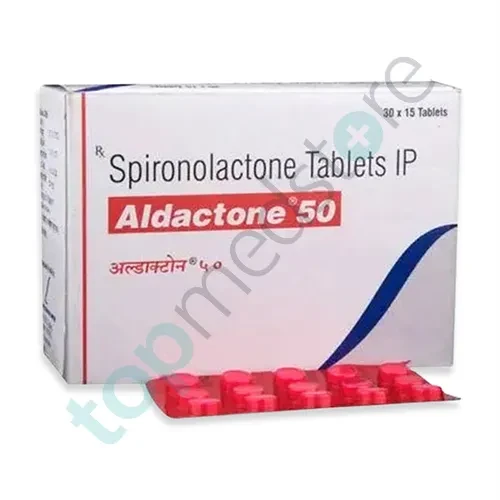
Spironolactone 50mg Tablets
$16.20 – $52.80
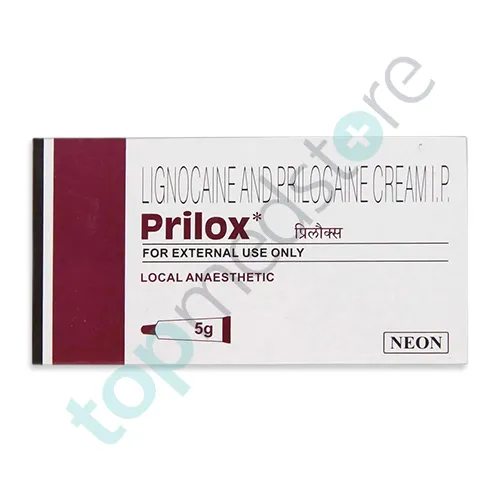
| Product name | Lidocaine-Prilocaine 2.5%-2.5%-5g |
|---|---|
| Active Ingredient | Lidocaine-Prilocaine |
| Dosage | 2.5%-2.5% 5g |
| Drug Type | Tubes |
| Indication | Local Anesthesia |
| Manufacturer | Neon labs |
Lidocaine-Prilocaine 2.5%-2.5% 5g Cream
Out of stock
Total $16.47
Lidocaine + Prilocaine 2.5% + 2.5% Cream (5g) is a local anesthetic (numbing cream) used to temporarily reduce pain on the skin before minor medical or cosmetic procedures.
It is commonly used before injections, blood tests, IV insertion, skin procedures, laser treatments, and minor surgeries to make the procedure more comfortable and less painful.
This medicine is usually recommended by doctors, dermatologists, dentists, and nurses depending on the procedure being performed.
It works only on the area where it is applied and does not treat the disease itself. Its main purpose is pain control during short procedures.
When Lidocaine–Prilocaine cream is applied on the skin, it starts working on the nerve endings present in the outer layer of the skin.
Normally, when the skin is touched, pricked, or cut, nerve endings send pain signals to the brain. These signals travel through sodium channels inside the nerve cells.
Lidocaine and Prilocaine block these sodium channels.
When sodium channels are blocked, nerve signals cannot move properly from the skin to the brain.
Because of this interruption, the brain does not receive pain messages from the treated area.
This results in temporary numbness in the skin, making procedures less painful.
The effect stays only for a limited time and wears off gradually after the cream is removed or absorbed.
Doctors use this cream mainly to reduce pain during minor medical and diagnostic procedures.
Lidocaine + Prilocaine is commonly applied before needle injections, blood sample collection, and IV cannulation, where reducing skin pain is important.
It is also widely used in dermatology procedures such as laser treatments, minor skin surgeries, and cosmetic procedures where skin numbing improves patient comfort.
In some cases, it is used in dental or minor outpatient procedures where local pain control is needed.
It is especially helpful for people who are sensitive to pain or anxious about needles and minor procedures.
Lidocaine and Prilocaine work by blocking the electrical signals in nerve endings present in the skin.
Pain signals are created when sodium moves in and out of nerve cells, allowing electrical impulses to travel to the brain.
These medicines block sodium channels in the nerve membrane.
When sodium movement is blocked, the nerve cannot generate or send pain signals effectively.
As a result, the treated skin becomes numb for a short period of time.
The numbness is local, meaning it affects only the applied area and does not spread throughout the body when used correctly.
Most people tolerate this medicine well when used in the correct amount on small areas of skin.
Lidocaine + Prilocaine may sometimes cause mild and temporary skin reactions such as redness, swelling, or a slight burning or tingling feeling at the application site.
Some people may notice temporary skin whitening or changes in skin sensation in the treated area.
Less commonly, mild itching or irritation may occur after application.
Rare side effects include allergic reactions, dizziness, or effects on the blood if used in very large amounts or on broken skin. These are uncommon and usually linked to incorrect use.
Doctors carefully guide the amount and timing of application to ensure safe and effective numbing.
This content is for educational purposes only. It does not replace medical advice, diagnosis, or treatment. Always consult a doctor, dermatologist, or healthcare professional before using Lidocaine or Prilocaine. Use this medicine only as directed for safe and effective pain control during medical or cosmetic procedures.
$16.20 – $52.80
$58.50 – $190.80
$36.90 – $118.80
$40.50 – $133.20