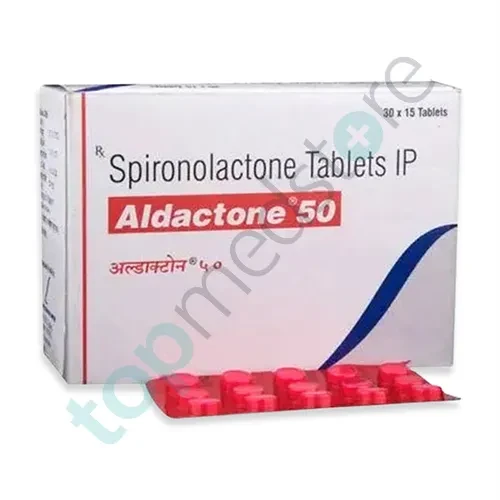
Spironolactone 50mg Tablets
$16.20 – $52.80
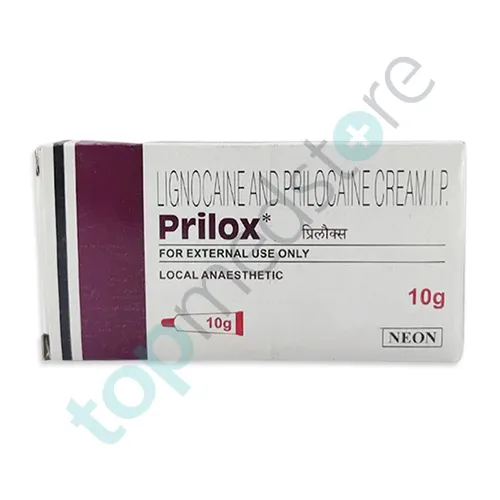
| Product name | Lidocaine-Prilocaine 2.5%-2.5%-10g |
|---|---|
| Active Ingredient | Lidocaine-Prilocaine |
| Dosage | 2.5%-2.5% 10g |
| Drug Type | Tubes |
| Manufacturer | Neon labs |
Lidocaine-Prilocaine 2.5%-2.5% 10g Cream
Out of stock
Total $31.62
Lidocaine and Prilocaine 2.5% + 2.5% Cream (10g) is a prescription local anesthetic (numbing cream) used to temporarily numb the skin before minor medical procedures.
It is commonly used to reduce pain during procedures like injections, blood draws, skin biopsies, minor skin surgeries, and certain cosmetic treatments.
This medicine is usually prescribed or recommended by doctors, dermatologists, dentists, and healthcare professionals depending on the procedure.
It does not treat disease itself. Instead, it helps make medical procedures more comfortable by reducing pain sensation in the skin.
After applying Lidocaine–Prilocaine cream, the medicine works on the outer layer of the skin where it is applied.
Normally, nerves in the skin send pain signals to the brain when the skin is touched, cut, or injected. These signals travel through nerve endings that detect pain and temperature.
Lidocaine and Prilocaine work by blocking sodium channels in nerve cells.
Sodium channels are needed for nerve signals to travel. When these channels are blocked, pain signals cannot move properly from the skin to the brain.
As a result, the treated area becomes numb for a short period of time.
The effect is local, meaning it works only where the cream is applied and does not affect the whole body when used correctly.
Doctors use Lidocaine–Prilocaine cream to reduce pain during small medical and cosmetic procedures.
Lidocaine and Prilocaine are commonly used before needle injections, blood sample collection, IV insertion, and minor surgical procedures, where skin numbness is needed to reduce discomfort.
It is also used in dermatology procedures such as laser treatments, skin resurfacing, and minor skin surgeries.
In some cases, it is used in dental procedures or small skin treatments where pain control is required before starting the procedure.
It helps reduce fear and discomfort, especially in patients who are sensitive to pain or undergoing repeated procedures.
Lidocaine and Prilocaine work by blocking nerve signals in the skin.
Pain is felt when nerves send electrical signals from the skin to the brain. These signals depend on sodium moving in and out of nerve cells.
Both medicines block sodium channels in the nerve endings.
When these channels are blocked, nerve cells cannot generate or send pain signals properly.
This results in temporary numbness in the treated area.
The effect usually starts after some time of application and lasts for a limited period, depending on skin type, thickness, and application area.
Like all local anesthetic medicines, Lidocaine–Prilocaine cream may cause mild side effects, although most people tolerate it well.
Common side effects include mild redness, skin whitening, swelling, or a tingling sensation at the application site.
Lidocaine and Prilocaine may sometimes cause temporary skin irritation or mild burning sensation as the skin adjusts.
Less common side effects include itching, rash, or mild sensitivity in the treated area.
Rare but serious side effects may occur if used incorrectly or in large amounts, including allergic reactions, dizziness, or effects on blood oxygen levels in sensitive individuals.
Doctors usually guide the correct amount and application time to ensure safe and effective numbing.
This content is for educational purposes only. It does not replace medical advice, diagnosis, or treatment. Always consult a doctor, dermatologist, or healthcare professional before using Lidocaine or Prilocaine. Use this medicine only as directed for safe and effective pain control during medical procedures.
$16.20 – $52.80
$58.50 – $190.80
$36.90 – $118.80
$40.50 – $133.20