Prazosin ER 5mg
$88.20 – $288.00
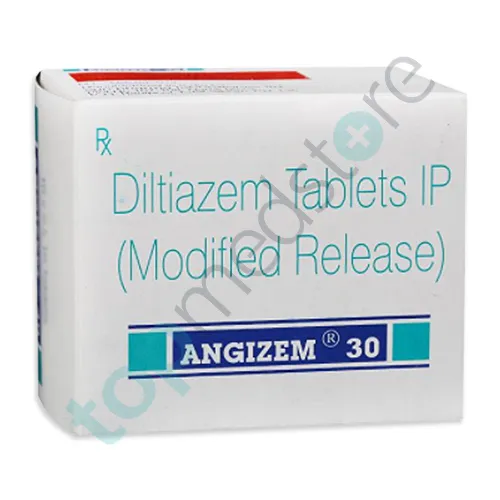
Diltiazem is a prescription medicine used to treat high blood pressure (hypertension) and chest pain (angina). A cardiologist or physician often prescribes it to improve blood flow and reduce strain on the heart.
High blood pressure means the force of blood against the artery walls stays too high for a long time. This can damage the heart, brain, kidneys, and blood vessels. Angina is chest pain that happens when the heart does not get enough oxygen-rich blood.
Diltiazem belongs to a group of medicines called calcium channel blockers. These medicines help relax blood vessels and improve blood flow so the heart can work more easily.
It is available in immediate-release and extended-release forms. The type prescribed depends on how stable the condition is and how long blood pressure control is needed.
Diltiazem works by blocking calcium from entering muscle cells in the heart and blood vessels.
Calcium is needed for muscles to contract. When too much calcium enters blood vessel walls, they become tight and narrow. This increases blood pressure and makes the heart work harder.
Diltiazem reduces this calcium entry. As a result, blood vessels relax and widen. This process is called vasodilation. Wider blood vessels allow blood to flow more easily, which lowers blood pressure.
In the heart, Diltiazem also slows down the electrical signals that control heartbeat. This helps reduce heart rate and decreases oxygen demand of the heart muscle.
Because of these combined effects, the heart does not need to work as hard, and chest pain episodes can reduce.
A cardiologist may monitor heart rate and blood pressure regularly to ensure the medicine is working safely and effectively.
The main use of Diltiazem is the treatment of hypertension (high blood pressure). It helps keep blood pressure under control and reduces the risk of heart attack, stroke, and kidney problems.
It is also used for angina pectoris, a condition where chest pain occurs due to reduced blood flow to the heart. By improving circulation, Diltiazem helps reduce pain and improves exercise tolerance.
Doctors may also prescribe it for certain heart rhythm disorders, such as atrial fibrillation or atrial flutter, where the heartbeat becomes fast or irregular. It helps slow down the heart rate and improve rhythm control.
In some cases, a cardiologist may use Diltiazem as part of combination therapy when one medicine is not enough to manage blood pressure or heart symptoms.
It is not used for emergency chest pain relief unless directed by a doctor in a controlled setting.
Diltiazem works by blocking calcium channels in the heart and blood vessels.
Calcium normally helps muscles contract and tighten. When calcium enters blood vessel walls, it causes narrowing of arteries, which increases blood pressure.
Diltiazem blocks this calcium entry, allowing blood vessels to relax and widen. This reduces resistance in blood flow and lowers blood pressure.
In the heart, it slows down the electrical signals that control heartbeat. This helps reduce heart rate and lowers the oxygen demand of the heart muscle.
With less pressure on the heart and improved blood flow, symptoms like chest pain and shortness of breath can improve over time.
A cardiologist may adjust the dose depending on blood pressure response, heart rate, and other medical conditions.
Like all medicines, Diltiazem may cause side effects, although not everyone experiences them.
Common side effects include dizziness, headache, tiredness, flushing, and swelling in the ankles or feet. Swelling occurs because blood vessels relax and fluid may collect in lower limbs.
Some patients may experience a slow heart rate or low blood pressure, which can cause lightheadedness, especially when standing quickly.
Other possible effects include nausea, constipation, or mild stomach discomfort.
Rare but serious side effects include severe slow heartbeat, fainting, or worsening heart failure symptoms. Immediate medical attention is required if these occur.
A cardiologist may regularly monitor heart rate, blood pressure, and overall response to ensure safe use of the medicine.
Most side effects are manageable when the dose is properly adjusted.
This content is for educational purposes only and does not replace professional medical advice, diagnosis, or treatment. Diltiazem should only be used under the supervision of a qualified cardiologist or healthcare professional. Always follow your doctor’s instructions and attend regular check-ups for safe heart and blood pressure management.
| Product name | Diltiazem |
|---|---|
| Category | Blood Pressure Medicines |
| Shipping offer | Free shipping on orders of $110.00 or more |
$88.20 – $288.00
$87.00 – $284.00
$28.50 – $93.60
$39.90 – $130.80