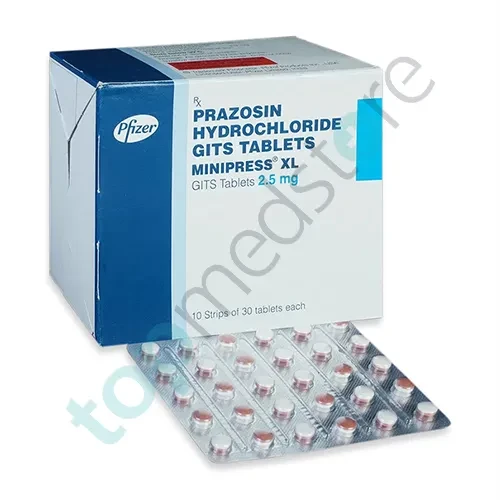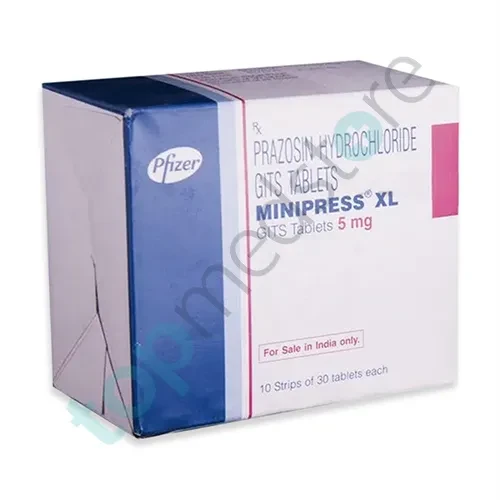
Prazosin ER 5mg
$88.20 – $288.00
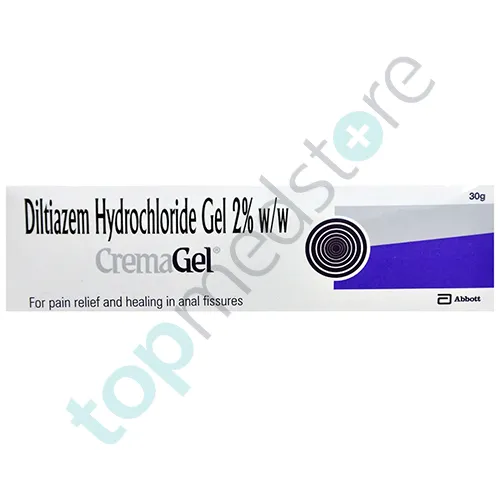
| Product name | Diltiazem 2% Gel 30gm |
|---|---|
| Active Ingredient | Diltiazem |
| Dosage | 2% - 30g |
| Drug Type | Tubes |
| Indication | Anal Fissure |
| Manufacturer | Abbott |
Total $25.74
Diltiazem 2% Gel 30gm is a prescription topical medicine used to treat pain and healing problems in anal fissures (small tears in the lining of the anus). It is commonly prescribed by a gastroenterologist, proctologist, or general physician depending on the condition.
This medicine is applied locally on the affected area and helps reduce pain, improve blood flow, and support natural healing of the tissue.
In simple words, Diltiazem gel helps relax tight muscles and improves blood flow so painful anal cracks can heal more easily.
In conditions like anal fissure (a small cut or tear in the skin around the anus that causes pain and bleeding during bowel movements), the muscles around the anus become tight and spasm.
This tightness reduces blood flow to the area, which slows down healing and increases pain during bowel movements.
Diltiazem works by relaxing smooth muscles in the anal sphincter (ring-like muscle that controls stool passage). It blocks calcium entry into muscle cells, which helps the muscle relax.
When the muscle relaxes, pressure decreases and blood flow improves. Better blood circulation helps the damaged tissue heal faster and reduces pain during bowel movements.
In simple words, this medicine relaxes tight muscles and improves blood flow so painful anal fissures can heal naturally.
Diltiazem gel is mainly used for the treatment of chronic anal fissures, where pain and discomfort continue for a long time due to slow healing.
It helps reduce pain during bowel movements, which is one of the most common symptoms of fissures.
It also helps reduce muscle spasm (tight contraction of muscles that causes sharp pain) in the anal area.
Doctors may recommend it when non-surgical treatment is preferred to promote healing and avoid surgery in early or moderate cases.
In clinical practice, a gastroenterologist or proctologist uses this medicine when muscle relaxation and improved blood flow are needed for fissure healing.
Diltiazem belongs to a class of medicines called calcium channel blockers (medicines that reduce calcium entry into muscle cells, helping them relax).
When applied locally, it relaxes the smooth muscles of the anal sphincter. This reduces muscle spasm and pressure in the area.
As the muscle relaxes, blood flow increases to the affected tissue. Improved circulation delivers oxygen and nutrients needed for healing.
This combination helps reduce pain and promotes faster healing of the fissure.
In simple words, this medicine works by relaxing muscles and improving blood flow so the affected area heals with less pain.
Some people may experience mild burning or irritation at the application site, especially during initial use.
There may be itching or redness in some cases due to local skin sensitivity.
Occasionally, headache or mild dizziness may occur due to slight absorption of the medicine into the body.
Rarely, low blood pressure (reduced blood pressure causing lightheadedness or weakness) can happen if more of the medicine is absorbed.
Most side effects are mild and temporary and usually improve as the body adjusts.
This medicine should be used only under the supervision of a gastroenterologist, proctologist, or physician.
Apply only the prescribed amount to the affected area.
Maintain proper hygiene in the affected region to support healing.
Avoid excessive use or prolonged application without medical advice.
Inform your doctor if you have low blood pressure or heart-related conditions, as caution may be needed.
Regular follow-up helps ensure proper healing of the fissure.
This content is for informational purposes only and does not replace medical advice, diagnosis, or treatment. Always consult your gastroenterologist, proctologist, or physician before starting or changing any medicine.
$88.20 – $288.00
$87.00 – $284.00
$28.50 – $93.60
$39.90 – $130.80