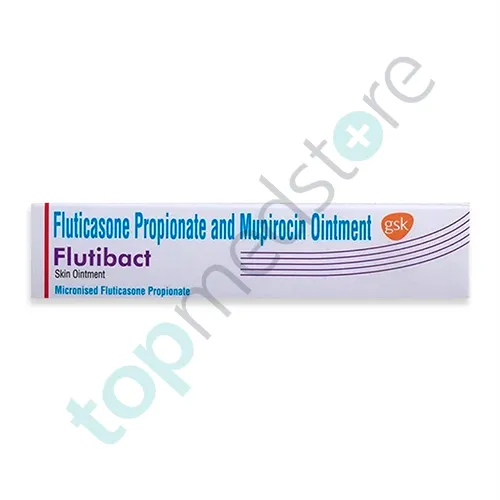
Fluticasone-Mupirocin 0.005%-2% 10g
$81.84 – $267.84
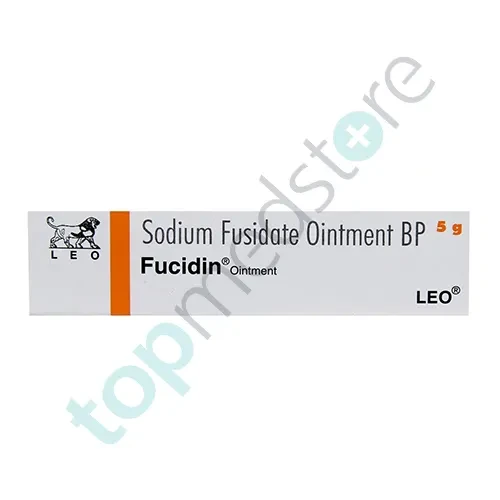
Sodium Fusidate is an antibiotic medicine used to treat bacterial infections. Antibiotics are medicines that kill bacteria or stop them from growing inside the body.
Doctors commonly prescribe Sodium Fusidate cream, ointment, eye drops, or tablets for skin infections and certain eye infections caused by harmful bacteria.
This medicine is widely used for conditions such as infected eczema, impetigo, infected cuts, boils, wounds, and skin infections caused by bacteria.
Impetigo is a contagious skin infection that causes red sores, yellow crusts, and itching. It is more common in children.
Eczema is a skin condition that causes dry, itchy, red, and irritated skin.
A dermatologist is a skin specialist doctor who commonly prescribes Sodium Fusidate for bacterial skin infections. Eye specialists may also prescribe Sodium Fusidate eye drops for bacterial eye infections.
Sodium Fusidate belongs to a group of medicines called fusidic acid antibiotics. These medicines are specially used to fight certain types of bacteria that commonly infect the skin.
The medicine is available in different forms such as Sodium Fusidate cream, Sodium Fusidate ointment, Sodium Fusidate eye drops, and oral tablets depending on the severity and location of infection.
Skin infections can become painful and spread if not treated properly. Early treatment may help reduce redness, swelling, itching, pus formation, and discomfort.
Sodium Fusidate works by stopping bacteria from making proteins that they need to survive.
Proteins are important substances that help bacteria grow and multiply. When the medicine blocks protein production, the bacteria become weak and slowly die.
As the bacteria stop growing, the body’s immune system starts clearing the infection more effectively. The immune system is the body’s natural defense system that protects against infections and diseases.
This medicine helps reduce common infection symptoms such as redness, swelling, pain, irritation, and pus.
Pus is a thick yellow or white fluid made from dead bacteria and immune cells during infection.
When used regularly as prescribed, Sodium Fusidate may help the skin heal faster and reduce the spread of infection.
The medicine mainly works against bacterial infections. It does not work for viral infections such as the common cold or fungal infections such as ringworm.
Doctors usually advise patients to complete the full treatment course even if symptoms improve early. Stopping treatment too soon may allow bacteria to return.
Doctors prescribe Sodium Fusidate for many types of bacterial infections.
One common use is treating skin infections caused by bacteria. These infections may cause redness, swelling, pain, itching, or pus-filled sores.
The medicine is commonly used for infected eczema, where bacteria infect damaged skin and worsen irritation.
Doctors also prescribe Sodium Fusidate for impetigo, which causes itchy sores and crusty patches on the skin.
Some patients use this medicine for infected cuts, burns, wounds, boils, and infected hair follicles.
Hair follicles are tiny openings in the skin where hair grows.
Sodium Fusidate eye drops may also help treat bacterial conjunctivitis. Conjunctivitis is an eye infection that causes redness, watering, irritation, and sticky discharge from the eyes.
The medicine may help reduce infection symptoms and support faster recovery when used correctly.
Doctors may sometimes combine Sodium Fusidate with steroid creams for severe skin inflammation and infection.
Sodium Fusidate works by blocking bacterial growth inside infected skin or tissues.
Bacteria multiply quickly during infection. This causes swelling, redness, heat, pain, and skin irritation.
The medicine enters the infected area and stops bacteria from making important proteins.
Without these proteins, bacteria cannot survive properly.
As bacterial growth slows down, the infection starts clearing and the skin begins healing.
Patients using Sodium Fusidate cream or ointment should clean and dry the affected skin before applying the medicine.
The medicine should be applied exactly as prescribed by the doctor.
Patients should avoid touching the infected area repeatedly because bacteria may spread to other parts of the body.
Doctors usually recommend maintaining proper skin hygiene during treatment. Hygiene means keeping the body clean to reduce infection risk.
Overuse of antibiotics may increase antibiotic resistance. Antibiotic resistance happens when bacteria stop responding properly to antibiotics.
Because of this, patients should not use Sodium Fusidate longer than recommended without medical advice.
Like all medicines, Sodium Fusidate may cause side effects in some patients. Most side effects are mild and temporary.
Common side effects include skin irritation, burning sensation, itching, redness, and mild dryness at the application site.
Some patients may notice mild rash or skin discomfort during treatment.
People using Sodium Fusidate eye drops may sometimes experience temporary eye irritation, blurred vision, or watery eyes after application.
Rare but serious side effects need immediate medical attention. Patients should contact a doctor if they develop severe rash, swelling, breathing difficulty, or worsening infection symptoms.
Patients using oral Sodium Fusidate tablets may occasionally experience nausea, stomach pain, diarrhea, or liver-related side effects.
People with liver disease should use this medicine carefully under medical supervision because certain forms of the medicine may affect liver function.
This content is for educational purposes only. It does not replace medical advice, diagnosis, or treatment. Always consult a dermatologist, eye specialist, or another licensed healthcare professional before using Sodium Fusidate or changing infection treatment. Use this medicine only under proper medical supervision.
| Product name | Sodium Fusidate |
|---|---|
| Category | Bacterial Skin Treatments |
| Shipping offer | Free shipping on orders of $110.00 or more |
$81.84 – $267.84
$211.00 – $692.00
$42.60 – $139.20
$50.60 – $165.60