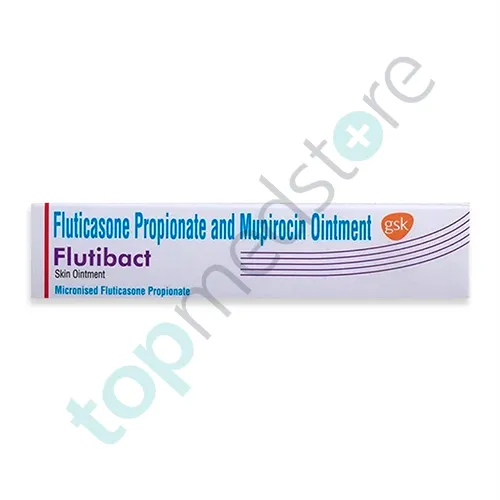
Fluticasone-Mupirocin 0.005%-2% 10g
$81.84 – $267.84
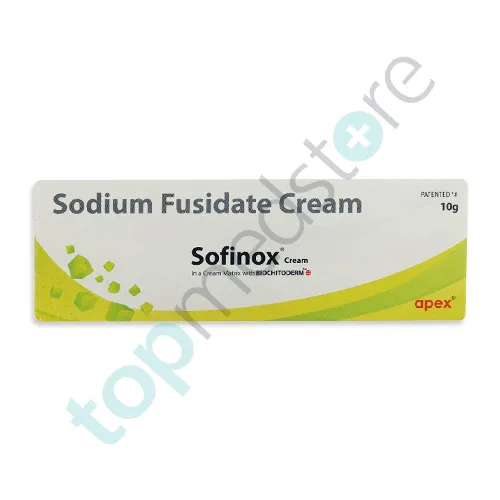
| Product name | Sodium Fusidate Cream 2%-10g |
|---|---|
| Active Ingredient | Sodium Fusidate |
| Dosage | 2% 10g |
| Drug Type | Tubes |
| Indication | Bacterial Skin Infection |
| Manufacturer | Apex |
Total $52.14
Sodium Fusidate 2% cream is a topical antibiotic medicine used to treat bacterial skin infections. It is applied directly on the skin to stop the growth of infection-causing bacteria and help the skin heal faster.
Bacterial skin infections can develop when germs enter through small cuts, scratches, insect bites, or irritated skin. These infections may cause redness, swelling, pain, pus formation, and itching.
This cream works locally at the infection site, so it acts directly where it is needed.
A dermatologist commonly prescribes this medicine for mild to moderate bacterial skin infections.
It is for external use only and should not be applied to eyes, mouth, or deep internal wounds unless directed by a doctor.
Doctors prescribe Sodium Fusidate 2% cream for the treatment of localized bacterial skin infections.
It is commonly used for impetigo, a contagious skin infection that causes red sores, blisters, and yellow crusting, especially in children.
It is also used for infected cuts, wounds, and abrasions, where bacteria may delay healing.
This cream is helpful in managing infected eczema or dermatitis, where skin inflammation becomes complicated by bacterial infection.
It may also be used for boils and small skin abscesses in early stages to control infection and prevent worsening.
With regular use, it helps reduce infection, swelling, and discomfort, while supporting faster skin recovery.
Sodium Fusidate works by blocking the ability of bacteria to produce essential proteins.
Without these proteins, bacteria cannot grow or multiply, which helps stop the spread of infection.
In simple words, Sodium Fusidate 2% cream kills bacteria and helps clear skin infections from the surface.
As the bacterial load reduces, the body’s natural healing process becomes more effective.
This leads to reduced redness, swelling, pain, and gradual healing of infected skin.
This medicine is for external use only and should be used exactly as directed by a doctor.
Clean and dry the affected area before applying the cream. Apply a thin layer gently over the infected skin.
It is usually applied 2–3 times daily, depending on the severity of the infection.
If advised, the area may be covered with a sterile dressing after application.
A dermatologist may decide the correct duration of treatment based on how the infection responds.
Always wash hands before and after applying the cream to avoid spreading infection.
Most patients tolerate this cream well. Side effects are usually mild and temporary.
Common side effects include mild skin irritation, redness, itching, or slight burning at the application site.
Some patients may notice dryness or increased sensitivity of the skin.
Rarely, allergic reactions such as rash, swelling, or worsening irritation may occur.
Very rare cases may show reduced response if used for too long, due to bacterial resistance.
Most side effects improve after stopping or adjusting treatment.
This cream should be used only on infected skin areas, not on large unaffected areas.
Avoid contact with eyes, mouth, and mucous membranes.
Do not use for longer than prescribed, as overuse may reduce effectiveness.
Patients with history of antibiotic allergy should inform their doctor before using this medicine.
A dermatologist may monitor healing progress and adjust treatment if needed.
Good hygiene and proper wound care help improve results and prevent reinfection.
If the infection does not improve in a few days, medical advice should be taken.
This content is for informational purposes only. Sodium Fusidate 2% cream should be used only under the supervision of a qualified dermatologist or healthcare professional. Do not start, stop, or change treatment without medical advice.
$81.84 – $267.84
$211.00 – $692.00
$42.60 – $139.20
$50.60 – $165.60