Rosuvastatin 20mg
$15.00 – $49.20
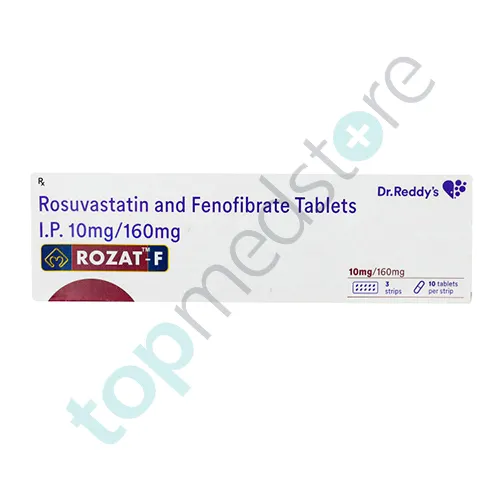
Rosuvastatin-Fenofibrate is a combination medicine used to manage high cholesterol and very high triglycerides. A cardiologist usually prescribes it when fat levels in the blood are difficult to control with diet alone. A cardiologist is a doctor who treats heart and blood vessel conditions.
This medicine is often used when both cholesterol and triglycerides are high at the same time, which increases strain on blood vessels and the heart.
It combines two lipid-lowering medicines that work together in different ways. Rosuvastatin mainly controls cholesterol made by the liver, while Fenofibrate targets fat particles circulating in the blood.
Doctors may recommend it for people at higher risk of atherosclerosis, a condition where fat builds up inside arteries and makes them narrow over time.
Rosuvastatin-Fenofibrate helps correct abnormal fat processing inside the body.
Rosuvastatin reduces the internal production of cholesterol in the liver. When less cholesterol is made, the body naturally pulls excess cholesterol from the bloodstream.
Fenofibrate works more on circulating fats. It activates natural enzymes that break down triglycerides into smaller particles that the body can use as energy.
This dual action improves the overall fat profile in the blood, especially in people who have “mixed dyslipidemia,” where both cholesterol and triglycerides are high.
Over time, this balance helps reduce fatty buildup inside arteries and supports smoother blood flow, especially in heart and brain vessels.
Doctors prescribe Rosuvastatin-Fenofibrate for people with complex lipid disorders where single therapy is not enough.
It is commonly used in mixed dyslipidemia, a condition where LDL (bad cholesterol) and triglycerides are both elevated.
It is also used in patients who have persistent high triglycerides despite dietary changes. High triglycerides may increase the risk of pancreatitis, a painful inflammation of the pancreas.
The medicine is often part of long-term heart risk management in people with metabolic syndrome. Metabolic syndrome is a group of conditions like high blood sugar, abdominal fat, and abnormal cholesterol levels that increase heart disease risk.
Doctors may also prescribe it for patients who already have early signs of artery hardening and need stronger lipid control.
Rosuvastatin-Fenofibrate works by improving how the body produces, processes, and clears fats.
Rosuvastatin reduces cholesterol formation in the liver by blocking a key step in its production process. This helps lower harmful LDL particles that can stick to artery walls.
Fenofibrate improves the breakdown of triglycerides by increasing enzyme activity that clears fat from the blood more efficiently. It also helps the body use fats as fuel instead of storing them.
Together, the two medicines reduce the number of harmful fat particles circulating in the bloodstream and improve the quality of blood lipids.
This combination is especially useful in people whose blood reports show both thick blood fat levels and poor fat clearance.
Doctors usually monitor lipid reports over time to track improvement and adjust therapy if needed.
Rosuvastatin-Fenofibrate may cause some unwanted effects, especially in the early phase of treatment.
Some people may notice digestive discomfort such as mild nausea, abdominal heaviness, or changes in bowel habits. These effects often reduce as the body adjusts.
Muscle-related symptoms can occur in some patients, such as stiffness or soreness. This happens because statin-based medicines can sometimes affect muscle energy use.
Rarely, muscle breakdown can occur, which may show signs like severe muscle pain and dark-colored urine. This needs immediate medical attention.
The medicine may also influence liver enzymes, which are natural chemicals that show liver activity. Increased levels may indicate liver stress.
Fenofibrate may sometimes affect kidney function in sensitive individuals, so doctors may monitor kidney tests during long-term use.
Uncommon allergic reactions may appear as skin rash, itching, or swelling.
Patients should inform a doctor if they experience unusual fatigue, persistent weakness, or yellowing of skin or eyes.
This content is for educational purposes only and is not a substitute for medical advice. Always consult a cardiologist or healthcare professional before starting or changing Rosuvastatin-Fenofibrate. Use only the prescribed dose and follow regular medical monitoring to ensure safe and effective treatment.
| Product name | Rosuvastatin-Fenofibrate |
|---|---|
| Category | Cholesterol-Lowering Medicines |
| Shipping offer | Free shipping on orders of $110.00 or more |
$15.00 – $49.20
$112.20 – $367.20
$39.90 – $130.80
$47.10 – $154.80