Pirfenidone 200mg
$105.60 – $345.60
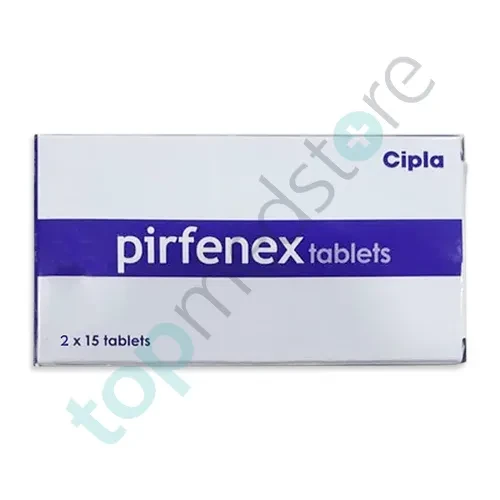
Pirfenidone is a medicine used to treat idiopathic pulmonary fibrosis (IPF). A pulmonologist usually prescribes this medicine. A pulmonologist is a doctor who treats lung and breathing diseases.
Idiopathic pulmonary fibrosis is a long-term lung disease that causes scarring in the lungs. “Idiopathic” means the exact cause is unknown. “Fibrosis” means thick scar tissue forms inside the lungs.
When scar tissue builds up, the lungs become stiff. This makes breathing difficult.
Pirfenidone helps slow down lung damage caused by this disease. The medicine does not completely cure IPF, but it may help slow disease progression.
Doctors usually prescribe Pirfenidone as tablets or capsules. Patients often take the medicine with food to reduce stomach side effects.
Regular medical follow-up is important during treatment because lung disease and medicine side effects need close monitoring.
Pirfenidone helps reduce scarring inside the lungs.
In idiopathic pulmonary fibrosis, the lungs slowly develop thick scar tissue. This scar tissue makes it harder for oxygen to move into the blood.
Pirfenidone helps slow the process that causes lung scarring.
The medicine also reduces inflammation inside the lungs. Inflammation means swelling and irritation in body tissues.
By slowing scarring and inflammation, Pirfenidone may help preserve lung function for a longer time.
Some patients may notice slower worsening of breathing problems during treatment.
Doctors usually monitor lung function regularly to check how well the treatment is working.
Doctors mainly use Pirfenidone to treat:
IPF causes symptoms such as:
Many patients notice breathing problems slowly become worse over time.
Pirfenidone may help slow disease progression and reduce the speed of lung damage.
The medicine may help some patients maintain daily activities and breathing function longer.
Doctors may combine treatment with oxygen therapy, breathing exercises, and lifestyle changes depending on the patient’s condition.
Pirfenidone works by slowing the formation of scar tissue inside the lungs.
The medicine blocks certain chemicals in the body that cause inflammation and fibrosis. Fibrosis means scarring.
By reducing these harmful processes, Pirfenidone helps protect healthy lung tissue.
The medicine may help slow the decline in lung function over time.
Doctors usually increase the dose slowly during the first weeks of treatment. This may help reduce side effects.
Patients should take Pirfenidone with food because food may lower stomach irritation.
Patients should avoid too much sunlight during treatment because the medicine may increase skin sensitivity to sunlight.
Doctors may perform regular blood tests to monitor liver function during treatment.
Like all medicines, Pirfenidone may cause side effects. Most side effects are mild to moderate.
Common side effects include nausea, stomach pain, diarrhea, loss of appetite, tiredness, dizziness, and headache.
Some people may develop skin rash or sun sensitivity. Sun sensitivity means the skin burns more easily in sunlight.
Patients should use sunscreen and protective clothing while outdoors.
Pirfenidone may also affect liver function in some people.
Rarely, serious side effects may occur. These may include severe liver problems, severe skin reactions, or serious stomach symptoms.
Patients should contact a doctor if they notice yellow skin, dark urine, severe rash, or severe stomach pain.
Doctors usually monitor patients regularly during treatment.
This content is for informational purposes only and does not replace professional medical advice, diagnosis, or treatment. Always consult a pulmonologist, doctor, or healthcare professional before starting or changing Pirfenidone treatment. Use this medicine only as prescribed and follow all medical instructions carefully.
| Product name | Pirfenidone |
|---|---|
| Category | Lung & Breathing |
| Shipping offer | Free shipping on orders of $110.00 or more |
$105.60 – $345.60
$486.00 – $1591.20
$364.80 – $1194.00
$364.80 – $1591.20