Atenolol 50mg
$50.40 – $129.92
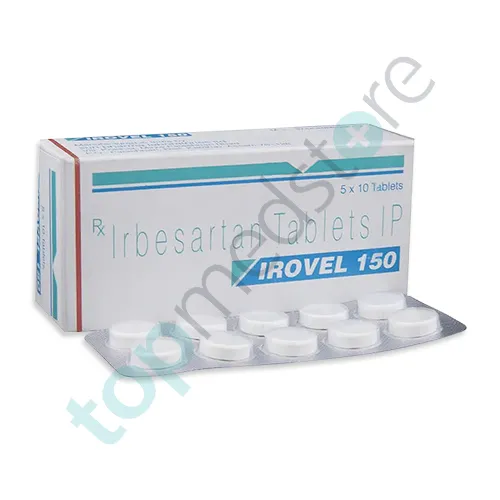
Irbesartan is a prescription medicine used to treat high blood pressure (hypertension) and to protect the kidneys in patients with diabetes. It is commonly prescribed by a cardiologist or internal medicine specialist. This medicine belongs to a group called ARBs (angiotensin II receptor blockers).
High blood pressure means the force of blood pushing against artery walls is too high. Over time, it can damage the heart, brain, kidneys, and blood vessels.
Irbesartan tablets help relax blood vessels and improve blood flow. This lowers blood pressure and reduces the risk of serious complications like heart attack, stroke, and kidney damage.
It is usually used as a long-term treatment and should be taken regularly as prescribed.
Irbesartan works by blocking a chemical in the body called angiotensin II.
Angiotensin II normally causes blood vessels to tighten or narrow. This increases blood pressure and makes the heart work harder.
Irbesartan blocks the angiotensin II receptors in blood vessels. These receptors are like “switch points” that respond to this chemical.
When these receptors are blocked, blood vessels relax and widen. This process is called vasodilation.
As blood vessels widen, blood flows more easily and blood pressure decreases.
In the kidneys, this medicine also helps reduce pressure inside small blood vessels, which protects kidney function, especially in diabetic patients.
Doctors may monitor blood pressure and kidney function during treatment.
Irbesartan is mainly used for heart, blood pressure, and kidney-related conditions.
One major use of Irbesartan tablets is in the treatment of high blood pressure (hypertension). It helps lower blood pressure and reduce strain on the heart.
It is also used to protect the kidneys in patients with type 2 diabetes and high blood pressure, helping slow kidney damage.
Doctors may prescribe it to reduce the risk of complications such as stroke, heart attack, and heart failure in high-risk patients.
It is not used for sudden blood pressure emergencies.
Because it works slowly and steadily, it is used as a long-term maintenance medicine.
Irbesartan works by blocking the action of angiotensin II, a hormone that controls blood vessel tightening.
Angiotensin II binds to receptors in blood vessels and causes them to narrow. This increases blood pressure.
Irbesartan blocks these receptors so angiotensin II cannot act on them.
As a result, blood vessels relax and widen, allowing blood to flow more smoothly.
This lowers blood pressure and reduces stress on the heart.
In the kidneys, reduced pressure helps protect small blood vessels from long-term damage, especially in people with diabetes.
Doctors may adjust the dose depending on blood pressure response and kidney health.
Like all medicines, Irbesartan may cause side effects. Most are mild and manageable.
Common side effects include dizziness, fatigue, nausea, and mild low blood pressure, especially at the start of treatment.
Some patients may experience headache or lightheadedness when standing quickly.
It may also increase potassium levels in the blood, which can affect heart rhythm if not monitored.
Rare but serious side effects include kidney function changes or severe allergic reactions.
Patients should avoid sudden dehydration, as it may increase side effects.
Regular monitoring of blood pressure and kidney function is important during treatment.
Seek medical help if swelling, severe dizziness, or irregular heartbeat occurs.
This content is for educational purposes only and should not replace professional medical advice. Irbesartan should only be used under the supervision of a qualified healthcare professional such as a cardiologist or internal medicine specialist. Do not start, stop, or change the dose without medical guidance. Treatment response and safety may vary depending on blood pressure, kidney health, and overall medical condition.
| Product name | Irbesartan |
|---|---|
| Category | Blood Pressure Medicines |
| Shipping offer | Free shipping on orders of $110.00 or more |
$50.40 – $129.92
$75.00 – $192.00
$35.28 – $89.60
$18.30 – $46.80