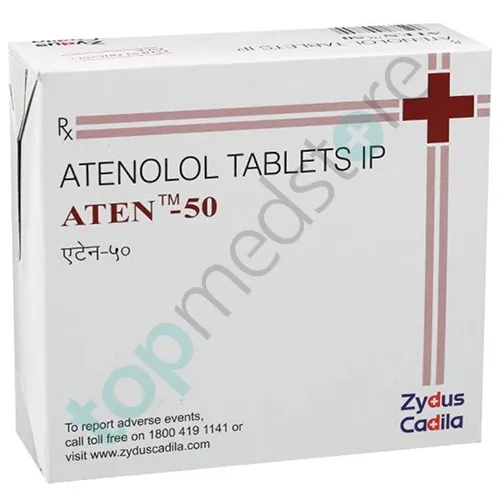
Atenolol 50mg
$50.40 – $129.92
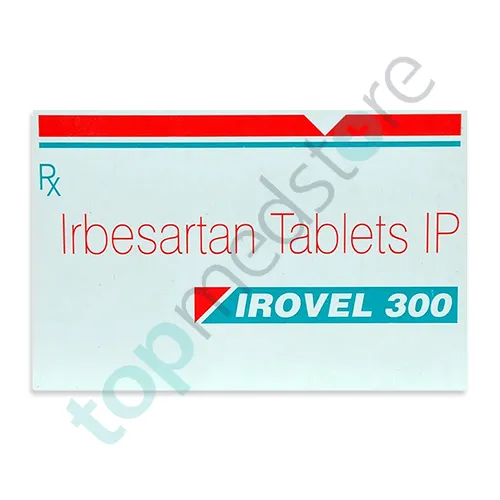
| Product name | Irbesartan 300mg |
|---|---|
| Active Ingredient | Irbesartan |
| Dosage | 300mg |
| Drug Type | Tablets |
| Indication | Hypertension |
| Manufacturer | Sun Pharma |
Total $59.50
Irbesartan 300mg Tablet is a prescription medicine used to treat high blood pressure (hypertension). It also helps protect the heart and kidneys, especially in people with diabetes and long-term blood pressure problems.
It contains Irbesartan, which belongs to a class of medicines called angiotensin II receptor blockers (ARBs). These medicines help relax blood vessels so blood can flow more easily.
This medicine is usually prescribed by a cardiologist or physician as part of long-term blood pressure control and cardiovascular protection therapy.
It is not a quick-relief medicine for sudden blood pressure rise. It works gradually to maintain stable blood pressure levels.
Irbesartan 300mg Tablet works by blocking a natural substance in the body called angiotensin II.
Angiotensin II is a hormone that causes blood vessels to tighten or narrow. When blood vessels become narrow, blood pressure increases, and the heart has to work harder.
Irbesartan blocks the action of this hormone by binding to angiotensin II receptors. This prevents blood vessels from tightening.
As a result, blood vessels relax and widen. This helps reduce blood pressure and improves blood flow throughout the body.
By lowering pressure on the heart and blood vessels, it also helps reduce strain on vital organs like the heart, kidneys, and brain.
Irbesartan 300mg Tablet is mainly used for the treatment of high blood pressure (hypertension).
It helps keep blood pressure under control, which reduces the risk of serious health problems like heart attack, stroke, and kidney damage.
It is also used in patients with type 2 diabetes and kidney disease (diabetic nephropathy) to help protect kidney function and slow disease progression.
Doctors may prescribe it as a single medicine or in combination with other blood pressure-lowering drugs depending on the patient’s condition.
It is an important part of a long-term cardiovascular health management plan, along with diet control, exercise, and lifestyle changes.
Irbesartan works by blocking the effects of angiotensin II, a hormone that normally narrows blood vessels.
When angiotensin II binds to its receptors, it causes blood vessels to tighten and increases blood pressure. It also causes the body to retain more salt and water, which further raises pressure.
Irbesartan blocks these receptors, allowing blood vessels to remain relaxed and open. This leads to lower blood pressure and improved circulation.
It also helps reduce pressure inside the kidneys, which is important for protecting kidney function in diabetic patients.
Because it works gradually, regular daily use is needed to maintain stable blood pressure control.
Irbesartan 300mg Tablet is generally well tolerated, but some people may experience mild side effects.
Common side effects include dizziness, tiredness, headache, and low blood pressure, especially when starting treatment.
Some people may feel lightheaded when standing up quickly due to a temporary drop in blood pressure.
Less commonly, it may cause increased potassium levels in the blood, which can affect heart rhythm if not monitored.
In rare cases, it may affect kidney function, especially in people with existing kidney disease or dehydration.
Allergic reactions such as skin rash are rare but require medical attention if they occur.
Doctors may recommend regular blood tests to monitor kidney function and electrolyte balance during treatment.
This content is for educational purposes only and is not a substitute for professional medical advice. Irbesartan 300mg Tablet should only be used under the supervision of a qualified healthcare professional such as a physician or cardiologist. Do not start, stop, or change the dose without medical guidance. Regular blood pressure monitoring and follow-up tests are important for safe and effective long-term treatment.
$50.40 – $129.92
$75.00 – $192.00
$35.28 – $89.60
$18.30 – $46.80