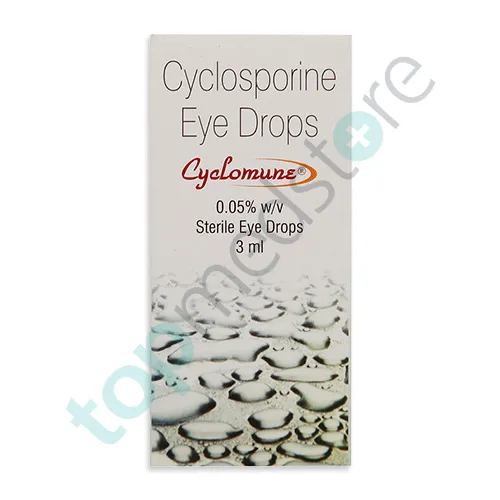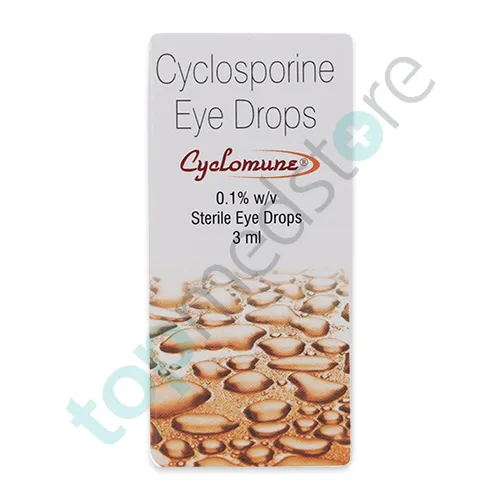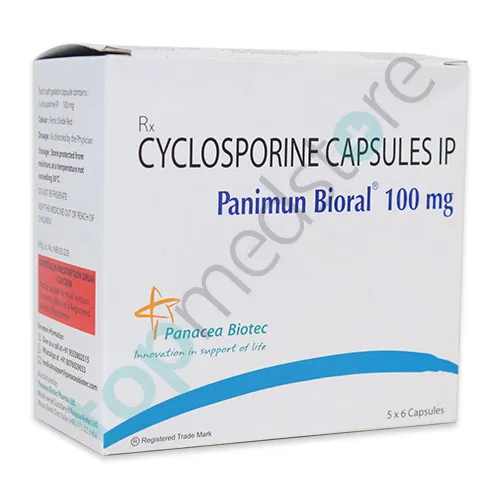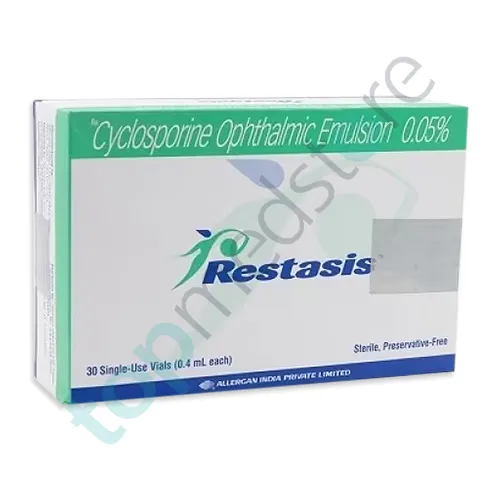
Cyclosporine 0.05%-0.4ml
$128.70 – $421.20
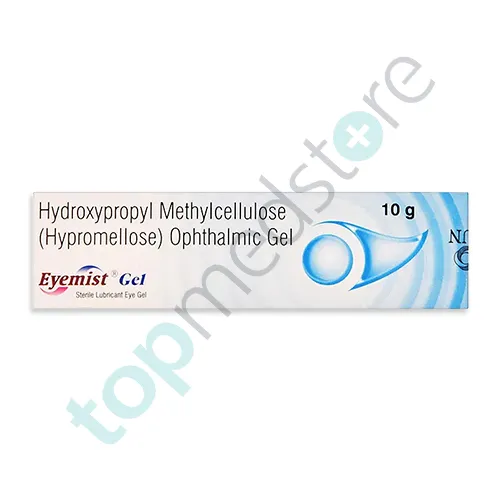
| Product name | Hydroxypropyl Methylcellulose Eye Gel 0.3%-10g |
|---|---|
| Active Ingredient | Hydroxypropyl Methylcellulose |
| Dosage | 0.3% 10g |
| Drug Type | Tubes |
| Indication | Dry Eye Disease |
| Manufacturer | Sun Pharma |
Hydroxypropyl Methylcellulose 0.3% 10g Gel
In stock
Total $67.54
Hydroxypropyl Methylcellulose Eye Gel 0.3%–10g is a prescription lubricating eye medicine used to relieve dryness and irritation in the eyes. It is commonly used when the eyes do not produce enough natural tears or when tear quality is reduced.
This eye gel contains hydroxypropyl methylcellulose (HPMC), which is a lubricating polymer (a moisture-retaining substance that forms a protective film over the eye surface to reduce dryness and irritation). An ophthalmologist (eye specialist) usually recommends it based on the severity of dry eye symptoms.
Dry eyes can occur when the tear film becomes unstable or breaks too quickly. This can lead to burning, redness, itching, and a feeling of sand or grit in the eyes.
Hydroxypropyl Methylcellulose Eye Gel 0.3%–10g uses mainly include the treatment of dry eye disease. It helps in conditions where the eyes do not produce enough natural tears or where tears evaporate too quickly.
It is also used to relieve eye irritation caused by environmental factors such as dust, smoke, air conditioning, or prolonged screen time. These factors can reduce natural eye moisture and cause discomfort.
Doctors may recommend this gel for post-operative eye care, where the eye surface needs extra lubrication after surgery. It helps reduce dryness and supports healing of the eye surface.
It can also be used in chronic dry eye conditions, where long-term tear deficiency causes ongoing discomfort and visual disturbance.
With regular use under medical guidance, it helps maintain eye moisture and improves overall eye comfort.
Hydroxypropyl Methylcellulose Eye Gel 0.3%–10g works by forming a protective layer over the surface of the eye. This layer helps retain moisture and reduces tear evaporation.
When applied, the gel spreads evenly across the eye surface and acts as an artificial tear substitute. It helps stabilize the tear film, which is the thin layer of fluid that keeps the eyes lubricated and comfortable.
By maintaining a stable tear film, it reduces friction between the eyelid and the eye surface during blinking. This helps reduce irritation, burning, and dryness.
In simple terms, it works like a long-lasting moisture shield that keeps the eyes hydrated and comfortable.
Hydroxypropyl Methylcellulose Eye Gel 0.3%–10g side effects are usually mild and temporary.
Some people may experience slight blurred vision immediately after application. This happens because the gel temporarily coats the eye surface.
Mild eye irritation, stinging, or burning sensation may occur in some users, especially during the first few uses.
Rarely, allergic reactions such as redness, swelling, or increased discomfort may develop. In such cases, medical advice should be taken.
If blurred vision or irritation persists for a long time, an eye specialist should be consulted.
Hydroxypropyl Methylcellulose Eye Gel 0.3%–10g should be used only under the guidance of an ophthalmologist (eye specialist).
It should be applied as directed, usually in a thin layer inside the lower eyelid. Avoid touching the tip of the tube to the eye or any surface to prevent contamination.
Temporary blurred vision may occur after application, so caution is advised while driving or operating machinery immediately after use.
Contact lenses should be removed before applying the gel unless advised otherwise by the doctor.
If symptoms persist or worsen despite regular use, medical evaluation is recommended.
This content is for educational purposes only. It does not replace medical advice, diagnosis, or treatment from a qualified ophthalmologist (eye specialist). Always consult a healthcare professional before using Hydroxypropyl Methylcellulose Eye Gel 0.3%–10g or any eye lubricant medicine. Do not start, stop, or change any treatment without proper medical supervision.
$128.70 – $421.20
$98.97 – $323.88
$62.70 – $205.20
$189.00 – $619.20