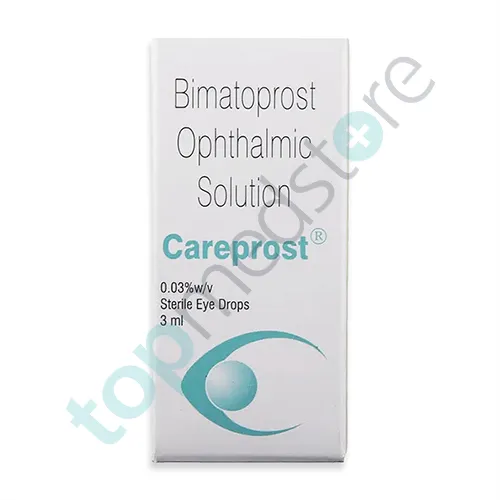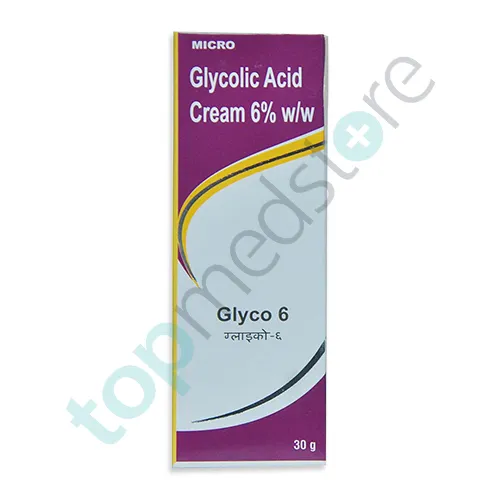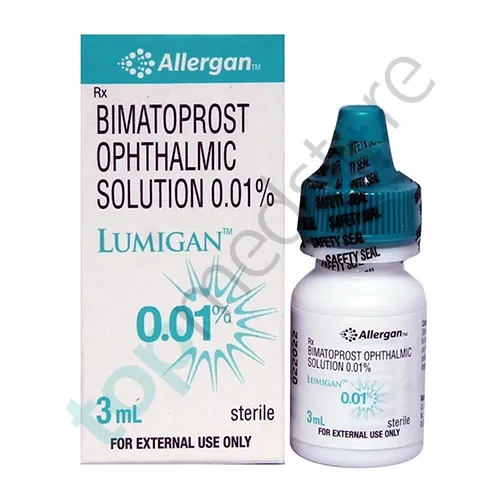
Bimatoprost 0.01% Ophth Solution 3ml
$185.58 – $607.44
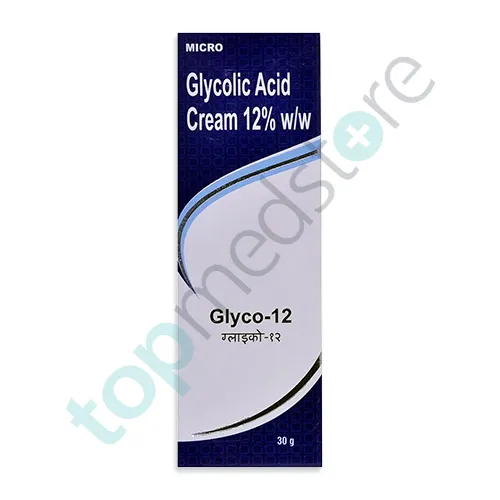
| Product name | Glycolic Acid Cream 12%-30g |
|---|---|
| Active Ingredient | Glycolic Acid |
| Dosage | 12% 30g |
| Drug Type | Tubes |
| Indication | Hyperpigmentation |
| Manufacturer | Micro Labs Ltd |
Total $98.34
Glycolic Acid Cream 12%–30g is a prescription-strength skincare medicine used to improve skin texture, reduce dullness, and treat certain pigmentation and acne-related marks. It is mainly used for skin resurfacing and improving overall skin tone.
This cream contains glycolic acid, which is an alpha hydroxy acid (AHA, a skin-exfoliating acid that removes dead skin cells and promotes new skin cell growth). A dermatologist (skin specialist) usually recommends it for controlled skin renewal therapy.
Our skin naturally sheds old cells and replaces them with new ones. But sometimes, dead skin cells build up on the surface. This can make the skin look rough, dull, and uneven.
Glycolic Acid Cream 12%–30g uses mainly focus on improving skin appearance and treating surface-level skin concerns. It is commonly used for hyperpigmentation, where dark patches or uneven skin tone appear due to acne, sun exposure, or skin irritation.
It is also used for acne marks and post-acne spots, where old pimples leave behind dark or discolored patches on the skin. This cream helps gradually lighten these marks by promoting new skin cell turnover.
Dermatologists may also recommend it for rough or dull skin texture, where the skin looks uneven or lacks natural glow. In some cases, it is used for fine lines and early signs of aging, as regular exfoliation can improve skin smoothness.
With consistent use under medical guidance, it helps improve skin clarity, brightness, and overall texture.
Glycolic Acid Cream 12%–30g works by gently exfoliating the outer layer of the skin. It breaks down the bonds that hold dead skin cells together on the surface.
When these dead cells are removed, fresh new skin cells come to the surface. This process is called chemical exfoliation (skin renewal using acids instead of physical scrubbing).
Glycolic acid also helps increase collagen activity in the skin. Collagen is a natural protein that keeps skin firm and smooth. Increased collagen support can improve skin texture over time.
As the skin renews itself, dark spots gradually fade, rough patches become smoother, and overall skin tone becomes more even.
In simple terms, this cream helps remove old skin and allows fresh, healthier-looking skin to appear.
Glycolic Acid Cream 12%–30g side effects may occur, especially during early use, as the skin adjusts to exfoliation.
Common effects include mild redness, tingling, or a slight burning sensation after application. Some people may also experience dryness or peeling of the skin.
Increased sun sensitivity is also common, which means the skin may react more to sunlight during treatment.
Rarely, excessive irritation, swelling, or strong redness may occur if the cream is overused or applied on sensitive skin areas.
If discomfort becomes severe or persistent, medical advice should be taken.
Glycolic Acid Cream 12%–30g should be used only under the guidance of a dermatologist (skin specialist), especially because it is a higher-strength formulation.
It should be applied in a thin layer on clean, dry skin as directed by the doctor. Avoid using it more frequently than prescribed, as overuse can irritate the skin.
Sun protection is very important during treatment. Use sunscreen regularly because glycolic acid increases sensitivity to sunlight.
Avoid using harsh scrubs, alcohol-based products, or other strong exfoliating agents along with this cream unless advised by a dermatologist.
Do not apply on broken skin, open wounds, or active infections.
This content is for educational purposes only. It does not replace medical advice, diagnosis, or treatment from a qualified dermatologist (skin specialist). Always consult a healthcare professional before using Glycolic Acid Cream 12%–30g or any exfoliating skin medicine. Do not start, stop, or change any treatment without proper medical supervision.
$185.58 – $607.44
$99.00 – $324.00
$67.98 – $222.48
$75.90 – $248.40