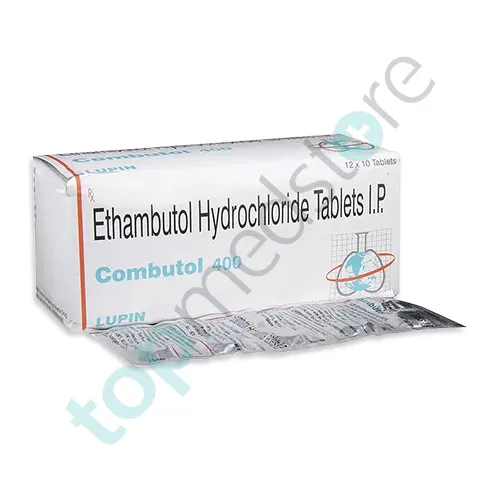
Ethambutol 400mg
$33.60 – $110.40
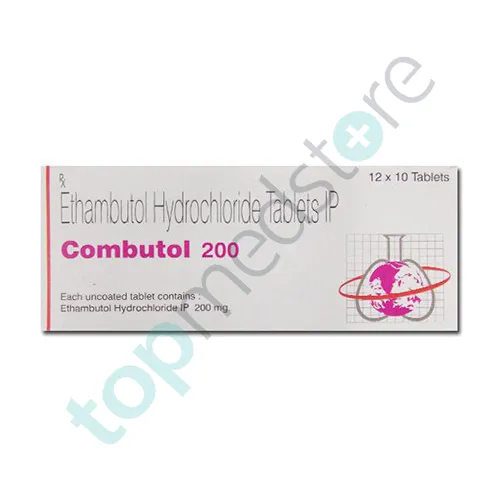
Ethambutol is a prescription anti-tuberculosis (TB) medicine used to treat serious bacterial infections caused by Mycobacterium tuberculosis. Doctors, mainly pulmonologists (lung specialists) and general physicians, prescribe it as part of a combination TB treatment plan to fully remove infection from the body.
Tuberculosis is a long-term bacterial infection (infection caused by harmful bacteria that multiply inside the body). It usually affects the lungs but can also spread to the kidneys, spine, brain, and other organs. Ethambutol helps stop the growth of TB bacteria so the infection does not spread further.
This medicine is never used alone. It is always combined with other TB drugs to improve cure rate and prevent drug resistance (when bacteria stop responding to medicines). Treatment is long and requires strict daily use under medical supervision.
After taking Ethambutol, the medicine is absorbed into the bloodstream and travels to infected tissues where TB bacteria are active.
It works inside the bacterial cell and interferes with the formation of the cell wall (protective outer layer that keeps bacteria alive and strong). Without a strong cell wall, TB bacteria become weak, unstable, and unable to survive.
This weakens bacterial growth and slows down infection spread in the lungs and other affected organs. As bacterial load reduces, symptoms such as persistent cough, fever, night sweats, weight loss, and fatigue gradually improve.
Ethambutol also supports the action of other TB medicines. When used in combination therapy, it increases the chances of complete bacterial elimination and reduces relapse risk.
Doctors monitor response through symptom improvement and medical tests, because TB treatment requires long-term follow-up.
Doctors prescribe Ethambutol mainly for pulmonary tuberculosis (TB infection in the lungs), which is the most common form of TB. However, it is also used for extrapulmonary tuberculosis (TB infection in organs outside the lungs) such as lymph nodes, spine (bone TB), kidneys, or brain.
It is used in active TB treatment, where bacteria are multiplying and causing symptoms. It is also part of long-term treatment plans that aim to fully cure TB and prevent recurrence.
Pulmonologists include Ethambutol in standard TB therapy because using multiple anti-TB medicines together increases treatment success and reduces bacterial resistance.
It may also be used in latent TB infection (inactive TB bacteria in the body) in selected cases to prevent future activation, depending on patient risk factors.
Treatment usually continues for several months. Even if symptoms improve early, patients must complete the full course to fully kill TB bacteria.
Ethambutol works by blocking a key process needed for TB bacteria survival.
It inhibits the formation of arabinogalactan (a structural sugar compound that forms the TB bacterial cell wall). The cell wall acts like a protective shield. Without it, bacteria lose structure and become vulnerable.
When the cell wall becomes weak, TB bacteria cannot grow, multiply, or spread effectively. This allows other TB medicines in the treatment regimen to kill the bacteria more efficiently.
Over time, this combined action reduces infection inside the body. The lungs and other infected tissues slowly begin to heal as bacterial activity decreases.
Because TB bacteria grow slowly, treatment takes a long duration and requires strict adherence to medication schedules.
Doctors may adjust treatment based on response, weight, and laboratory results.
Ethambutol may cause side effects, especially during long-term TB treatment.
Common side effects include nausea, stomach discomfort, loss of appetite, headache, dizziness, and general tiredness. These effects are usually mild and temporary.
A very important and serious side effect is optic neuritis (inflammation of the optic nerve, which connects the eye to the brain and helps in vision). This may lead to blurred vision, reduced sharpness of eyesight, or difficulty distinguishing colors, especially red and green.
Any change in vision should be reported to a doctor immediately because early detection helps prevent permanent damage.
Rare side effects include joint pain, allergic skin reactions, confusion, or tingling sensations in hands and feet.
Doctors often monitor vision regularly during treatment to ensure eye safety, especially in long-term or high-dose therapy.
Patients should avoid self-adjusting the dose and must attend regular follow-ups for safe TB management.
This content is for informational purposes only and does not replace professional medical advice, diagnosis, or treatment. Always consult a pulmonologist or physician before using Ethambutol. Follow the full prescribed TB treatment plan carefully and attend regular medical checkups to ensure complete recovery and prevent tuberculosis recurrence.
| Product name | Ethambutol |
|---|---|
| Category | Tuberculosis & Leprosy Medicines |
| Shipping offer | Free shipping on orders of $110.00 or more |
$33.60 – $110.40
$46.00 – $148.00
$66.00 – $216.00
$198.60 – $650.40