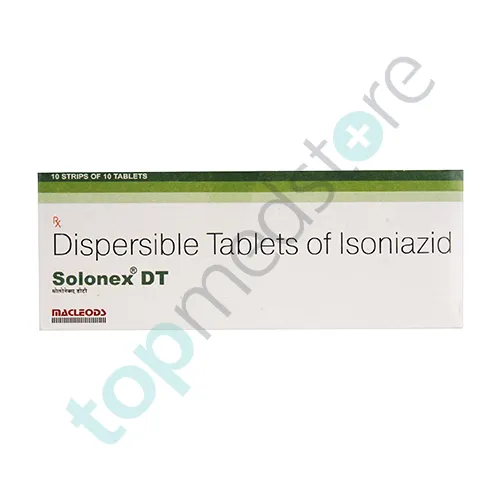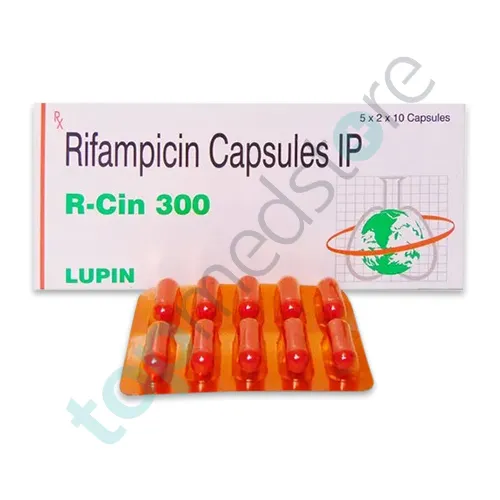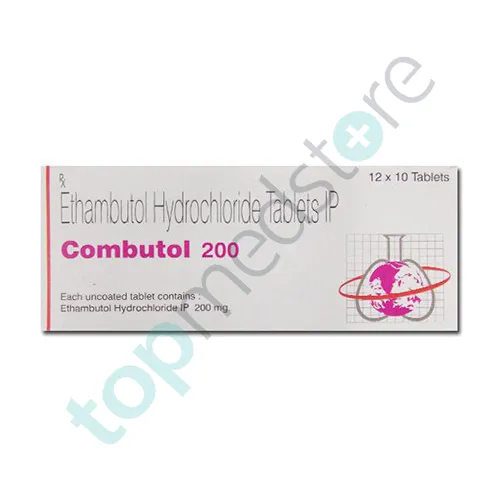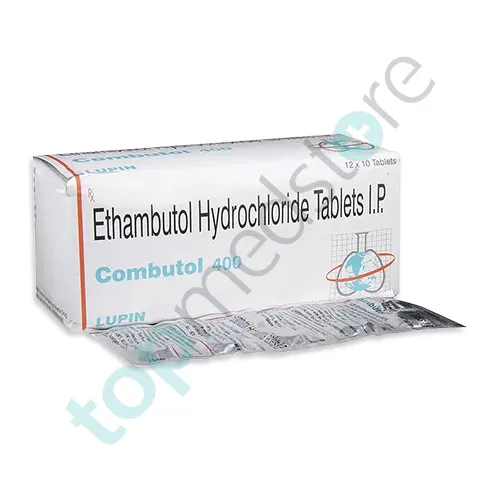
Ethambutol 400mg
$33.60 – $110.40
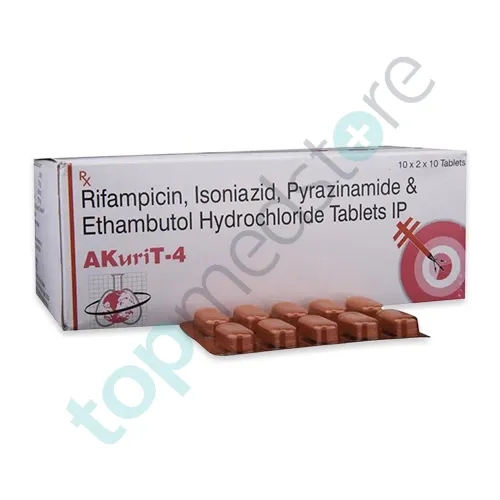
| Product name | Rifampin-Isoniazid-Ethambutol-Pyrazinamide 150mg-75mg-275mg-400mg |
|---|---|
| Active Ingredient | Rifampin-Isoniazid-Ethambutol-Pyrazinamide |
| Dosage | 150mg-75mg-275mg-400mg |
| Drug Type | Tablets |
| Manufacturer | Lupin Ltd |
Rifampin-Isoniazid-Ethambutol-Pyrazinamide 150mg-75mg-275mg-400mg Tablets
In stock
Total $198.60
Rifampin–Isoniazid–Ethambutol–Pyrazinamide is a prescription combination anti-tuberculosis (TB) medicine. It is used for the treatment of tuberculosis (TB), which is a serious bacterial infection that mainly affects the lungs but can also affect other parts of the body.
A pulmonologist (lung specialist) or physician usually prescribes this medicine as part of a full TB treatment plan.
This combination is important because it uses multiple medicines together to fully kill TB bacteria and prevent resistance.
Tuberculosis is caused by a bacteria called Mycobacterium tuberculosis. This bacteria spreads through the air and mainly attacks the lungs, causing cough, fever, weakness, night sweats, and weight loss.
This combination medicine works in different ways on the TB bacteria.
Rifampin is an antibiotic (a medicine that kills bacteria). It stops bacteria from making essential proteins needed for survival, which helps kill TB bacteria quickly.
Isoniazid is also an antibiotic (a medicine that stops bacteria from growing). It works by blocking the formation of the bacterial cell wall, which is essential for bacteria to survive.
Ethambutol is an anti-TB agent (a medicine that slows bacterial growth). It prevents bacteria from building their protective cell structure, making them weak.
Pyrazinamide works inside infected tissues and helps kill dormant TB bacteria that are difficult to remove in early treatment.
Together, these medicines attack TB bacteria in different ways, which improves treatment success.
This medicine is mainly used for active tuberculosis (TB) treatment, especially pulmonary TB (TB infection in the lungs).
It is used in the initial phase of TB therapy, where strong combination treatment is needed to reduce the bacterial load quickly.
Doctors also use it in some cases of extrapulmonary TB (TB affecting organs like lymph nodes, bones, or kidneys).
It is a key part of DOTS therapy (Directly Observed Treatment, Short-course), a structured TB treatment program that ensures proper medicine use and recovery.
A pulmonologist (lung specialist) or TB specialist decides the full treatment duration and combination plan.
Each medicine in this combination targets TB bacteria in a different way.
Rifampin stops bacteria from producing essential proteins, which are needed for their growth and survival.
Isoniazid blocks the formation of the bacterial cell wall, making the bacteria weak and unable to survive.
Ethambutol slows down bacterial growth by interfering with cell wall formation, helping prevent spread of infection.
Pyrazinamide works in acidic areas of infection and kills bacteria that are not actively growing but still present in the body.
Because TB bacteria grow slowly and can hide in the body, using multiple medicines together ensures complete elimination and reduces the risk of resistance.
This combination may cause side effects because it is a strong long-term treatment.
Common effects include nausea, stomach discomfort, loss of appetite, and mild fatigue. These are usually manageable during treatment.
Rifampin may cause orange-colored urine, sweat, or tears. This is harmless but can be surprising.
Isoniazid may sometimes affect the liver or cause tingling sensation in hands and feet.
Ethambutol can affect vision in rare cases, so regular eye check-ups are important during treatment.
Pyrazinamide may cause joint pain or increased uric acid levels in some patients.
Rare but serious effects include liver problems, severe allergic reactions, or vision changes. These need immediate medical attention.
Take Rifampin–Isoniazid–Ethambutol–Pyrazinamide exactly as prescribed by your pulmonologist (lung specialist) or TB doctor.
Do not skip doses, as incomplete treatment can lead to drug-resistant tuberculosis.
Regular liver function tests and eye check-ups may be required during treatment.
Avoid alcohol, as it increases the risk of liver damage during TB therapy.
Inform your doctor if you have liver disease, vision problems, or kidney issues before starting treatment.
Complete the full course even if symptoms improve early, as TB bacteria can return if treatment is stopped early.
This medicine works best when taken consistently under a structured TB treatment program.
This content is for educational purposes only. It is not a substitute for medical advice. Always consult a pulmonologist (lung specialist) or TB specialist before starting or stopping Rifampin–Isoniazid–Ethambutol–Pyrazinamide 150mg–75mg–275mg–400mg.
$33.60 – $110.40
$46.00 – $148.00
$66.00 – $216.00
$29.40 – $96.00