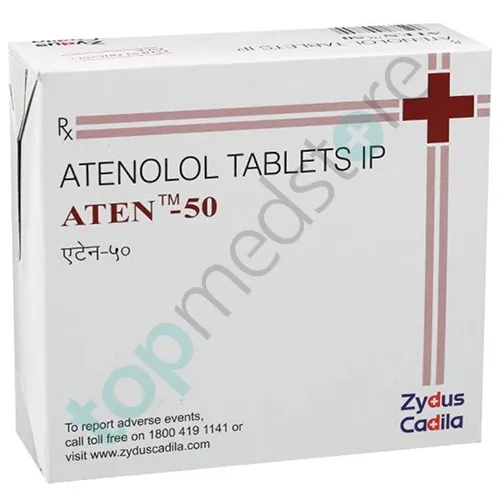
Atenolol 50mg
$50.40 – $129.92
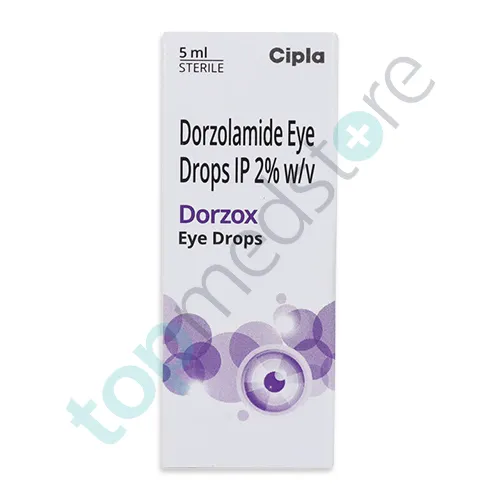
Dorzolamide is a prescription eye medicine used to treat glaucoma and high pressure inside the eye. It is commonly prescribed by an ophthalmologist (eye specialist). This medicine belongs to a group called carbonic anhydrase inhibitors.
Glaucoma is an eye condition where pressure inside the eye becomes too high. This high pressure can slowly damage the optic nerve, which may lead to vision loss if not treated.
Dorzolamide eye drops help reduce this pressure and protect eyesight. It is usually used as a long-term treatment, often along with other eye drops.
Because it affects eye fluid production, it must be used regularly as advised by a doctor.
Dorzolamide works by reducing the production of fluid inside the eye.
The eye contains a fluid called aqueous humor, which helps maintain eye shape and pressure. This fluid is constantly produced and drained.
In glaucoma, too much fluid builds up, increasing pressure inside the eye.
Dorzolamide blocks an enzyme called carbonic anhydrase in the eye. This enzyme helps produce aqueous humor.
When this enzyme is blocked, the eye produces less fluid. As a result, eye pressure decreases.
Lower eye pressure helps protect the optic nerve from damage and supports long-term vision health.
The medicine works locally in the eye and does not significantly affect the whole body when used as eye drops.
Dorzolamide is mainly used for eye pressure-related conditions.
One major use of Dorzolamide eye drops is in the treatment of open-angle glaucoma, a common form of glaucoma where pressure builds up slowly.
It is also used for ocular hypertension, a condition where eye pressure is higher than normal without visible nerve damage yet.
Doctors may prescribe it alone or in combination with other eye drops to better control eye pressure.
It is not used for eye infections or routine redness.
Regular use is important to keep eye pressure under control and prevent vision loss.
Dorzolamide works by blocking the enzyme carbonic anhydrase in the eye.
This enzyme helps produce aqueous humor, the fluid inside the eye.
When Dorzolamide blocks this enzyme, the eye produces less fluid.
With less fluid being made, pressure inside the eye decreases naturally.
This helps reduce strain on the optic nerve, which is very important in glaucoma management.
By controlling pressure, the medicine helps slow down or prevent further vision damage.
Doctors may monitor eye pressure regularly to adjust treatment if needed.
Like all eye medicines, Dorzolamide may cause side effects. Most are mild and temporary.
Common side effects include eye burning, stinging, blurred vision, or a bitter taste in the mouth after use.
Some patients may feel mild eye irritation or dryness.
Rare side effects include allergic reactions, eye redness, swelling, or severe discomfort.
In very rare cases, it may affect electrolyte balance in people who are sensitive or using multiple medicines.
Patients should avoid touching the eye drop tip to prevent contamination.
If severe eye pain, swelling, or vision changes occur, medical help should be taken immediately.
This content is for educational purposes only and should not replace professional medical advice. Dorzolamide should only be used under the supervision of a qualified healthcare professional such as an ophthalmologist (eye specialist). Do not start, stop, or change the dose without medical guidance. Treatment response and safety may vary depending on eye pressure level, eye condition, and overall health status.
| Product name | Dorzolamide |
|---|---|
| Category | Glaucoma Medicines |
| Shipping offer | Free shipping on orders of $110.00 or more |
$50.40 – $129.92
$75.00 – $192.00
$35.28 – $89.60
$18.30 – $46.80