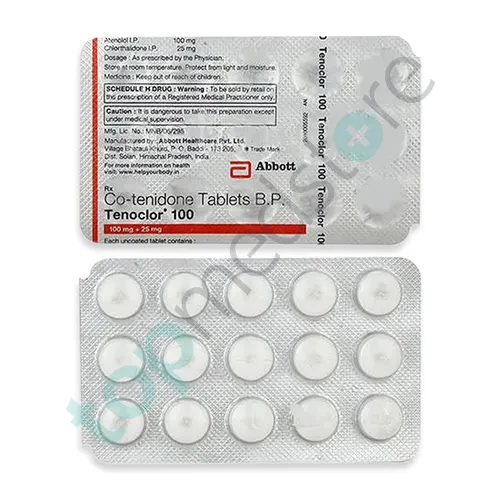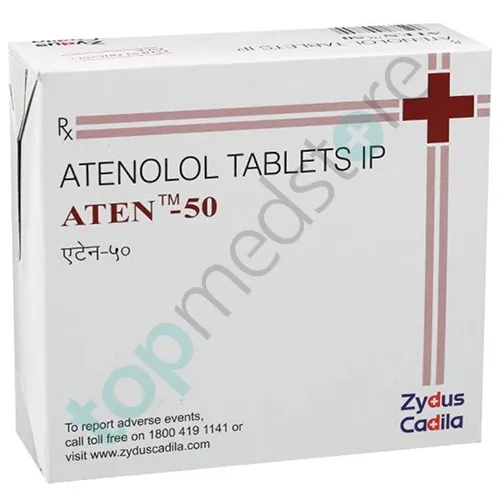
Atenolol 50mg
$50.40 – $129.92
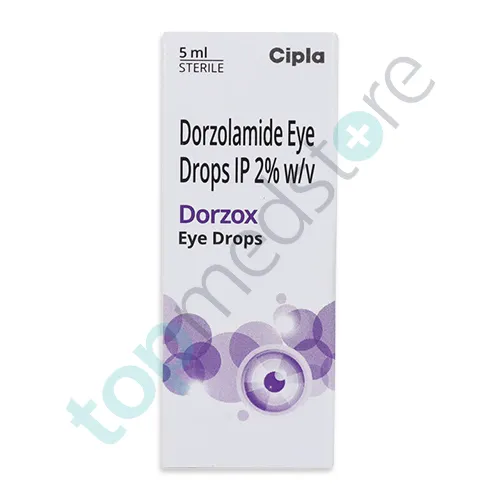
| Product name | Dorzolamide Eye Drops 2%-5ml |
|---|---|
| Active Ingredient | Dorzolamide |
| Dosage | 2% 5ml |
| Drug Type | Bottles |
| Indication | Open-Angle Glaucoma |
| Manufacturer | Cipla Limited |
Total $62.01
Dorzolamide Eye Drops 2% (5ml) is a prescription ophthalmic medicine used to reduce high pressure inside the eye, commonly in conditions like glaucoma and ocular hypertension (high eye pressure without visible symptoms). It is usually prescribed by an ophthalmologist (eye specialist).
This medicine helps protect the optic nerve and prevents vision damage by controlling intraocular pressure (eye pressure).
In simple words, Dorzolamide eye drops help lower eye pressure and protect vision from damage caused by glaucoma.
The eye continuously produces a clear fluid called aqueous humor (fluid that nourishes the eye and maintains its shape). This fluid is normally drained out through small channels inside the eye.
In conditions like glaucoma (a group of eye diseases where increased eye pressure can damage the optic nerve and lead to vision loss), this fluid does not drain properly. As a result, pressure builds up inside the eye.
Dorzolamide works by reducing the production of aqueous humor in the eye. It blocks an enzyme called carbonic anhydrase (an enzyme that helps produce eye fluid). When this enzyme is inhibited, less fluid is formed, which lowers eye pressure.
Lower pressure helps reduce stress on the optic nerve and protects long-term vision.
In simple words, this medicine lowers eye pressure by reducing the amount of fluid produced inside the eye.
Dorzolamide eye drops are mainly used for glaucoma, especially open-angle glaucoma, where fluid drainage becomes slow over time.
It is also used for ocular hypertension, a condition where eye pressure is higher than normal but may not yet show symptoms.
Doctors may prescribe it alone or in combination with other eye pressure-lowering medicines when stronger control is needed.
In clinical practice, an ophthalmologist uses this medicine to protect the optic nerve and prevent progressive vision loss due to high eye pressure.
Dorzolamide belongs to a class of medicines called carbonic anhydrase inhibitors (medicines that reduce fluid production in the eye).
It works by blocking carbonic anhydrase in the ciliary body of the eye, which is responsible for producing aqueous humor.
When fluid production decreases, the pressure inside the eye reduces. This helps maintain safe pressure levels and prevents damage to the optic nerve.
In simple words, this medicine works by reducing excess fluid inside the eye so pressure stays under control and vision is protected.
Some people may experience mild burning, stinging, or irritation in the eye after applying the drops.
There may be temporary blurred vision for a short time after use.
Some individuals may notice a bitter taste in the mouth, which can happen when the medicine drains into the throat through tear ducts.
In rare cases, eye redness or mild swelling of the eyelids may occur.
Very rarely, allergic reactions such as itching or eye discomfort can happen.
Most side effects are mild and usually temporary.
This medicine should be used only under the supervision of an ophthalmologist.
Do not touch the dropper tip to the eye or any surface to avoid contamination.
If using other eye drops, maintain a gap of at least 5–10 minutes between medications.
Remove contact lenses before use and reinsert them only after some time if advised by your doctor.
Inform your doctor if you have kidney problems or sulfa allergy, as caution may be needed.
Regular eye check-ups are important to monitor eye pressure and treatment response.
This content is for informational purposes only and does not replace medical advice, diagnosis, or treatment. Always consult your ophthalmologist before starting or changing any medicine.
$50.40 – $129.92
$75.00 – $192.00
$35.28 – $89.60
$18.30 – $46.80