Prazosin ER 5mg
$88.20 – $288.00
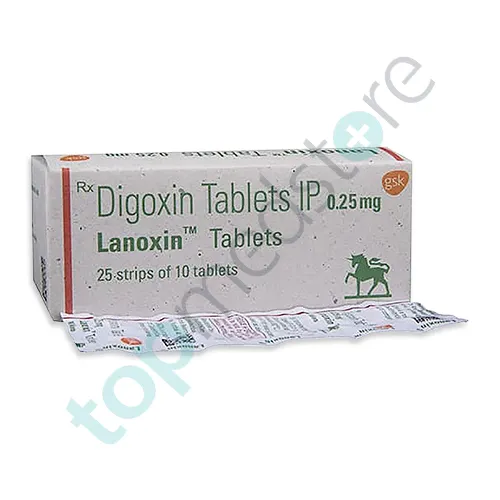
Digoxin is a prescription medicine used to treat certain heart conditions, especially heart failure and irregular heartbeat (atrial fibrillation). It is commonly prescribed by a cardiologist or internal medicine specialist to improve heart function and control heart rhythm. This medicine belongs to a group called cardiac glycosides.
Heart failure is a condition where the heart cannot pump blood effectively. This can cause symptoms like shortness of breath, tiredness, swelling in the legs, and weakness. Atrial fibrillation is a type of irregular heartbeat where the heart beats too fast or unevenly.
Digoxin tablets help the heart pump blood more efficiently and also help control abnormal heart rate.
This medicine has been used for many years in heart disease management. Because it can strongly affect heart rhythm, it must be taken carefully and under regular medical supervision.
Digoxin works by improving the strength and efficiency of heart muscle contractions.
The heart pumps blood using electrical and muscular activity. In some heart diseases, the heart becomes weak or beats too quickly.
Digoxin increases the amount of calcium inside heart muscle cells. Calcium helps heart muscles contract more strongly.
When the heart pumps with more strength, blood circulation improves, and symptoms of heart failure may reduce.
The medicine also slows electrical signals traveling through the heart. This helps control fast or irregular heartbeat, especially in atrial fibrillation.
Because it affects the heart directly, even small dose changes can affect the body significantly. Doctors may monitor blood levels during treatment.
Digoxin is mainly used for certain cardiovascular conditions.
One major use of Digoxin tablets is in the treatment of heart failure. It helps improve the heart’s pumping ability and may reduce symptoms like fatigue and breathlessness.
It is also used to manage atrial fibrillation (AFib), a condition where the heart beats in an irregular and often rapid rhythm.
Doctors may prescribe Digoxin to help slow down the heart rate and improve heart efficiency.
In some patients, it is used along with other heart medicines such as beta-blockers or diuretics for better heart management.
It is not used for all types of irregular heartbeat, and treatment depends on the patient’s heart condition.
Because it directly affects heart rhythm, the medicine requires careful dosing and monitoring.
Digoxin works by increasing the strength of heart contractions and slowing down abnormal heart signals.
It blocks a pump in heart cells called the sodium-potassium ATPase pump. This action increases calcium levels inside the heart muscle cells.
Higher calcium levels help the heart contract more strongly and pump blood more effectively.
The medicine also affects the electrical conduction system of the heart. It slows signals passing through the atrioventricular (AV) node, which helps control fast heart rhythms.
This is especially helpful in atrial fibrillation, where the heart may beat too rapidly.
By improving pumping efficiency and controlling heart rate, Digoxin helps reduce symptoms related to heart disease.
Doctors may regularly monitor pulse rate, kidney function, and blood levels during treatment.
Like all medicines, Digoxin may cause side effects. Some can become serious if the dose becomes too high.
Common side effects include nausea, vomiting, dizziness, headache, weakness, and loss of appetite.
Some patients may experience slow heartbeat or unusual heart rhythm changes.
Vision problems such as blurred vision or seeing yellow-green halos around lights may occur in some cases.
A serious condition called digoxin toxicity can happen if too much medicine builds up in the body. This may cause confusion, severe irregular heartbeat, vomiting, or fainting.
The risk of toxicity may increase in older adults or patients with kidney disease.
Patients should inform their doctor about all medicines they are taking because many drugs can interact with Digoxin.
Regular blood tests and heart monitoring are important during treatment.
Seek immediate medical help if severe dizziness, fainting, or abnormal heartbeat occurs.
This content is for educational purposes only and should not replace professional medical advice. Digoxin should only be used under the supervision of a qualified healthcare professional such as a cardiologist or internal medicine specialist. Do not start, stop, or change the dose without medical guidance. Treatment response and side effects may vary depending on heart condition, kidney function, and overall health status.
| Product name | Digoxin |
|---|---|
| Category | Heart Failure & Fluid Retention Medicines |
| Shipping offer | Free shipping on orders of $110.00 or more |
$88.20 – $288.00
$87.00 – $284.00
$28.50 – $93.60
$39.90 – $130.80