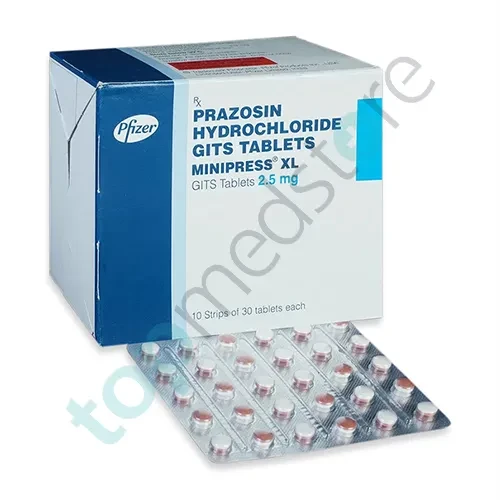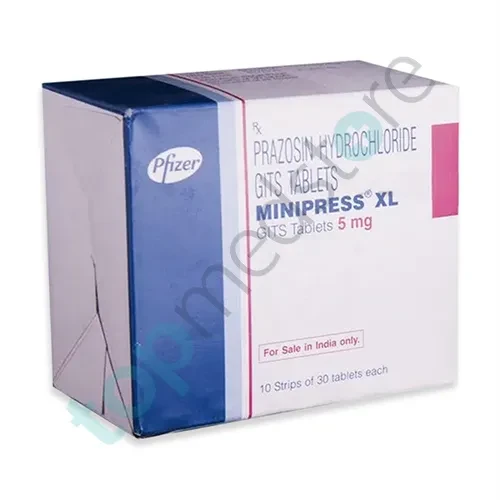
Prazosin ER 5mg
$88.20 – $288.00
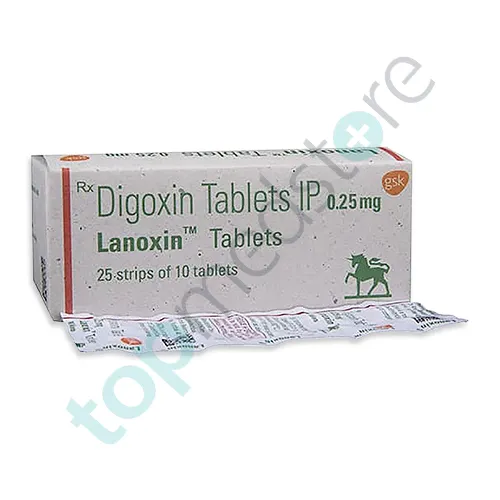
| Product name | Digoxin 0.25mg |
|---|---|
| Active Ingredient | Digoxin |
| Dosage | 0.25mg |
| Drug Type | Tablets |
| Indication | Heart Failure |
| Manufacturer | Glaxo Smithkline |
Total $98.00
Digoxin 0.25mg is a prescription cardiac medicine used to treat certain heart conditions such as heart failure and irregular heart rhythm (atrial fibrillation). It is commonly prescribed by a cardiologist or physician for patients who need improved heart pumping strength and better heart rate control.
This medicine comes from a group of drugs known as cardiac glycosides (heart medicines that improve the strength and efficiency of heart contractions).
In simple words, Digoxin helps the heart beat more strongly and in a more regular rhythm so blood circulation improves in the body.
The heart is a muscle that pumps blood throughout the body. In conditions like heart failure (a condition where the heart cannot pump blood efficiently), the heart becomes weak and cannot supply enough blood and oxygen to the body.
In some cases, patients also develop irregular heart rhythm (arrhythmia, meaning the heart beats too fast, too slow, or unevenly).
Digoxin works by improving the force of heart contractions and helping control heart rate. It increases the amount of calcium inside heart muscle cells, which strengthens each heartbeat. It also affects the electrical signals in the heart, helping to slow down an excessively fast heart rate.
This combination improves blood circulation and reduces symptoms like breathlessness and fatigue.
In simple words, this medicine helps the heart pump more effectively and beat in a more controlled rhythm.
Digoxin is mainly used for the treatment of heart failure, where the heart is too weak to pump blood efficiently.
It is also used in atrial fibrillation (a condition where the upper chambers of the heart beat irregularly and too fast) to help control heart rate.
Doctors may prescribe it to improve exercise tolerance and reduce symptoms like shortness of breath, tiredness, and swelling due to poor heart function.
In clinical practice, a cardiologist uses this medicine when strengthening heart contractions and controlling heart rhythm are both needed for better cardiac performance.
Digoxin works by acting directly on heart muscle cells.
It increases the level of calcium inside these cells, which strengthens each heartbeat. This leads to a more powerful pumping action, helping the heart send more blood to the body.
At the same time, it affects electrical signals in the heart through the vagus nerve, which helps slow down an overly fast heart rate.
This dual action improves both heart strength and rhythm control.
In simple words, this medicine helps the heart beat stronger and more steadily so blood flows better through the body.
Some people may experience nausea, vomiting, or loss of appetite, especially if the dose is high.
There may be dizziness or weakness, which can occur due to changes in heart function or electrolyte balance.
Some individuals may notice blurred or yellow-green vision (visual changes caused by higher levels of digoxin in the body).
In some cases, slow or irregular heartbeat (bradycardia, meaning the heart beats too slowly) may occur.
A serious risk is digoxin toxicity (a condition where too much medicine builds up in the body and affects heart rhythm and other organs), which requires immediate medical attention.
Most side effects are related to dose levels and kidney function, so monitoring is important.
This medicine should be taken only under the supervision of a cardiologist or physician.
Regular monitoring of heart rate and blood digoxin levels may be required.
Kidney function should also be checked, as the medicine is removed from the body through the kidneys.
Avoid sudden dose changes or stopping the medicine without medical advice.
Inform your doctor if you are taking other heart medicines, diuretics, or have kidney disease.
Maintaining proper electrolyte balance (especially potassium levels) is important for safe use.
This content is for informational purposes only and does not replace medical advice, diagnosis, or treatment. Always consult your cardiologist or physician before starting or changing any medicine.
$88.20 – $288.00
$87.00 – $284.00
$28.50 – $93.60
$39.90 – $130.80