
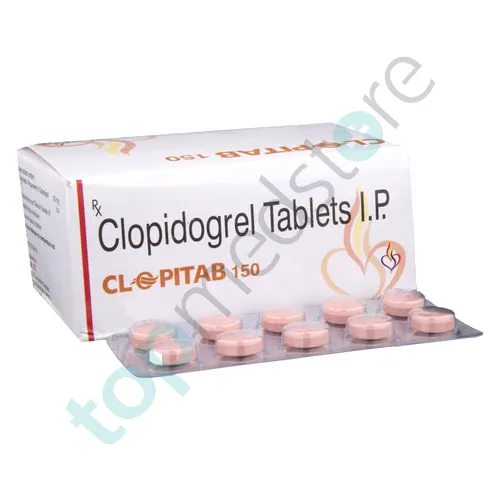
Clopidogrel 150mg
$181.00 – $592.00
Clopidogrel is a prescription medicine used to help prevent blood clots. Blood clots are thick clumps of blood that can block normal blood flow inside blood vessels.
Doctors prescribe Clopidogrel tablets to reduce the risk of serious conditions such as heart attack, stroke, and other circulation-related problems.
This medicine belongs to a group of drugs called antiplatelet medicines. Platelets are small blood cells that stick together to form clots when bleeding happens. Clopidogrel helps stop platelets from clumping too much inside blood vessels.
A cardiologist is the specialist doctor who commonly prescribes Clopidogrel for heart and blood circulation conditions. Neurologists may also prescribe this medicine after certain types of stroke.
Clopidogrel is available in strengths such as Clopidogrel 75 mg tablets. Doctors decide the correct dosage based on the patient’s heart condition, medical history, and risk of blood clots.
Patients with heart disease, blocked arteries, or poor blood circulation may need long-term treatment to lower the chance of dangerous clot formation.
Clopidogrel helps blood flow more smoothly through blood vessels by reducing clot formation.
Normally, platelets join together to stop bleeding after an injury. However, in some patients, platelets may form unwanted clots inside arteries.
These clots can block blood flow to important organs such as the heart or brain. A blocked blood vessel may lead to a heart attack or stroke.
Clopidogrel reduces the ability of platelets to stick together. This lowers the chance of harmful blood clots forming inside blood vessels.
The medicine helps protect blood circulation and supports heart and brain health.
Some patients receive this medicine after procedures such as stent placement. A stent is a small tube inserted into a blocked artery to improve blood flow.
Doctors may combine Clopidogrel with aspirin in certain heart patients for stronger clot prevention.
Doctors prescribe Clopidogrel to reduce the risk of blood clots in patients with heart and circulation problems.
One common use is preventing heart attacks in patients with coronary artery disease. Coronary artery disease happens when arteries supplying blood to the heart become narrow or blocked.
Doctors also prescribe this medicine to help prevent stroke in patients with circulation problems or a previous stroke history.
Patients who undergo angioplasty or receive heart stents often need Clopidogrel treatment. Angioplasty is a procedure used to open blocked blood vessels.
The medicine may also help patients with peripheral artery disease, a condition where blood flow to the legs becomes poor because of narrowed arteries.
Some patients need long-term antiplatelet treatment to reduce future cardiovascular risks. Cardiovascular conditions are diseases linked to the heart and blood vessels.
Regular doctor follow-up is important because treatment duration may differ between patients.
Clopidogrel works by blocking platelet activation inside the blood.
Platelets normally become sticky during injury to help stop bleeding. In heart disease, platelets may stick together too easily and form dangerous clots.
Clopidogrel blocks certain signals that activate platelets. This helps reduce clot formation inside arteries.
As blood flow improves, the risk of blocked blood vessels becomes lower.
Doctors usually advise patients to take the medicine at the same time each day.
Patients should continue treatment regularly even if they feel healthy because blood clots may develop without warning signs.
Stopping Clopidogrel suddenly without medical advice may increase the risk of heart attack or stroke in some patients.
Patients should inform doctors or dentists before surgery because this medicine may increase bleeding risk during medical procedures.
Like all medicines, Clopidogrel may cause side effects in some patients. Many side effects are mild and manageable.
Common side effects include easy bruising, nosebleeds, stomach pain, diarrhea, and increased bleeding from cuts or injuries.
Some patients may notice bleeding takes longer to stop because the medicine reduces platelet activity.
Rare but serious side effects require immediate medical attention. Patients should contact a doctor if they develop black stools, vomiting blood, severe weakness, unusual bleeding, chest pain, or signs of stroke.
Very rare cases may involve severe allergic reactions or serious blood disorders.
Patients with stomach ulcers, liver disease, or bleeding disorders should use Clopidogrel carefully under medical supervision.
Doctors may recommend regular health monitoring during long-term treatment.
This content is for educational purposes only. It does not replace professional medical advice, diagnosis, or treatment. Always consult a cardiologist or another licensed healthcare professional before using Clopidogrel or changing blood clot prevention treatment. Use this medicine only under proper medical supervision.
| Product name | Clopidogrel |
|---|---|
| Category | Blood Thinners & Antiplatelet Medicines |
| Shipping offer | Free shipping on orders of $110.00 or more |
$181.00 – $592.00
$59.85 – $196.20