
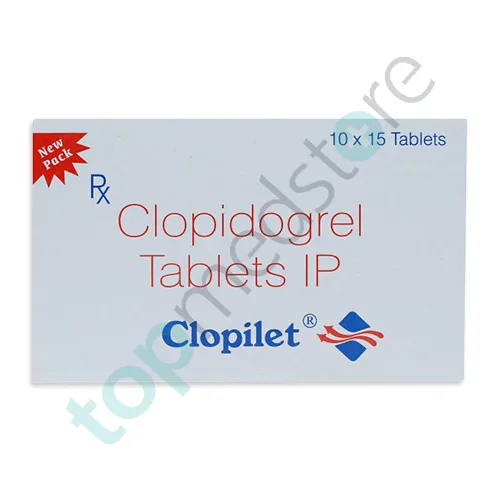
Clopidogrel 75mg
$59.85 – $196.20
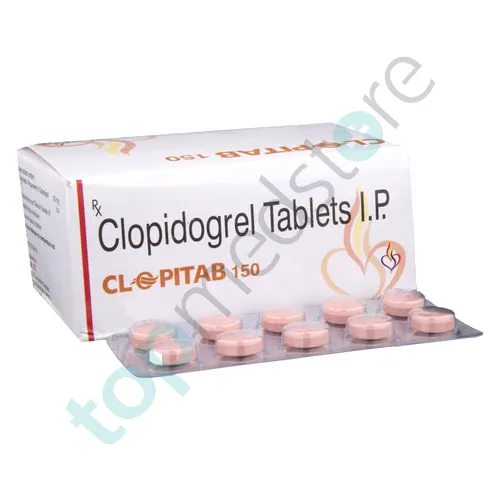
| Product name | Clopidogrel 150mg |
|---|---|
| Active Ingredient | Clopidogrel |
| Dosage | 150mg |
| Drug Type | Tablets |
| Indication | Cardiovascular Prevention |
| Manufacturer | Lupin Ltd |
Total $181.00
Clopidogrel 150mg is a medicine used to prevent blood clots in people who are at higher risk of heart and brain problems.
It is known as an antiplatelet medicine. This means it helps stop blood cells called platelets from sticking together too easily.
Platelets normally help the body stop bleeding when you get a cut. But sometimes, platelets can form harmful clots inside blood vessels.
These unwanted clots can block blood flow and lead to serious conditions like heart attack or stroke.
Doctors may prescribe Clopidogrel 150mg tablets when stronger platelet protection is needed, usually based on patient condition and risk level.
Cardiologists mainly use this medicine for heart and blood vessel protection.
After you take Clopidogrel 150mg, the medicine enters the bloodstream and acts on platelets.
Platelets are small blood cells that become active when there is injury in a blood vessel.
They stick together and form a clot to stop bleeding.
But when platelets become overactive, they may form clots inside normal blood vessels.
Clopidogrel reduces this unwanted activity.
It makes platelets less sticky and less likely to clump together.
This helps blood flow more smoothly through arteries.
Better blood flow reduces the risk of sudden blockage in the heart or brain.
The medicine works gradually and builds its protective effect with regular use.
Doctors prescribe Clopidogrel 150mg mainly for prevention of blood clot-related conditions in high-risk patients.
It is commonly used after a heart attack to reduce the chance of another heart event.
It may also be used after a stroke to prevent recurrence.
A stroke happens when blood flow to the brain is blocked.
Doctors may also use this medicine in peripheral artery disease, where blood flow to the legs is reduced due to narrowed arteries.
In some cases, it is used after stent placement in heart arteries to keep the stent open and prevent blockage.
This higher dose is usually prescribed only when doctors feel stronger antiplatelet action is required.
Patients with bleeding disorders, recent surgery, or stomach ulcers should inform their doctor before use.
Clopidogrel works by reducing platelet activity in the blood.
Platelets become active when they receive signals from the body after vessel injury.
One key signal is called ADP (adenosine diphosphate).
Clopidogrel blocks the action of ADP on platelets.
When this signal is blocked, platelets cannot activate properly.
As a result, they do not stick together easily.
This reduces the formation of unwanted blood clots inside arteries.
With regular use, the medicine helps maintain smoother blood flow and reduces the risk of serious cardiovascular events.
Doctors may adjust dose based on patient response and bleeding risk.
Like all medicines, Clopidogrel 150mg may cause side effects in some patients.
Common side effects include:
bruising, nosebleeds, mild bleeding from gums, stomach discomfort, or headache.
Some patients may notice that small cuts take longer to stop bleeding.
Because the medicine reduces clot formation, bleeding risk may increase slightly.
Rare but serious side effects include:
severe bleeding, internal bleeding, blood in stool or urine, stomach ulcers, or allergic reactions.
Warning signs of serious bleeding include black stools, vomiting blood, sudden weakness, or unusual dizziness.
Patients should seek immediate medical help if these symptoms occur.
Doctors may monitor blood health in long-term treatment, especially in high-risk patients.
This content is for educational purposes only. It does not replace medical advice, diagnosis, or treatment. Always consult a cardiologist or healthcare professional before using Clopidogrel 150mg. Use this medicine only as prescribed and follow proper medical monitoring during treatment.
$59.85 – $196.20
$59.85 – $592.00