Dapsone 100mg
$140.00 – $440.00
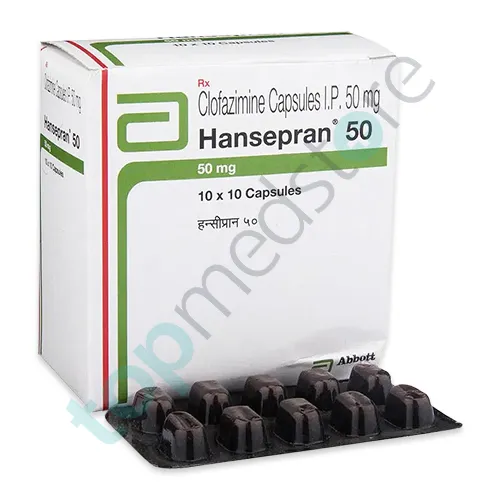
Clofazimine is a prescription antibiotic medicine used to treat leprosy, also called Hansen’s disease. It is usually prescribed by a dermatologist or infectious disease specialist.
Leprosy is a long-term bacterial infection. It mainly affects the skin and nerves. If the infection is not treated, it can cause skin damage, numbness, muscle weakness, and nerve problems.
Clofazimine capsules help control the bacteria that cause leprosy. The medicine is usually used together with other anti-leprosy medicines. This combined treatment is called multidrug therapy (MDT).
The medicine also helps reduce swelling and redness caused by the infection. This is important because inflammation can damage the nerves over time.
Leprosy treatment often continues for several months or longer. Regular medical follow-up is important during treatment.
Clofazimine helps reduce bacterial infection and inflammation inside the body.
After the medicine enters the body, it slowly collects in skin tissues and immune cells. Immune cells are the body’s defense cells that fight infection.
The medicine weakens the bacteria and slows their growth. This helps lower the amount of infection in the body over time.
Clofazimine also reduces inflammation. Inflammation is the body’s reaction to infection. It can cause redness, swelling, pain, and tissue damage.
In leprosy, too much inflammation can harm the nerves and skin. By lowering inflammation, the medicine helps protect these tissues.
Because the medicine works slowly, patients may need treatment for a long period to fully control the disease.
Doctors may monitor skin condition, nerve symptoms, and treatment progress during therapy.
Clofazimine is mainly used to treat leprosy (Hansen’s disease).
One important use of Clofazimine capsules is in the treatment of severe forms of leprosy where many bacteria are present in the body.
The medicine helps reduce bacterial growth and improves long-term infection control.
Doctors may also prescribe it to reduce painful inflammation linked to leprosy. This may help lower swelling, skin redness, and nerve irritation.
In some rare cases, specialists may use Clofazimine for difficult bacterial infections when other antibiotics are not suitable.
This medicine is not used for common infections like cold, flu, or simple sore throat.
Treatment length depends on the type and severity of the disease.
Clofazimine works by slowing the growth of harmful bacteria.
The medicine enters bacterial cells and interferes with important processes needed for the bacteria to survive.
As bacterial growth slows down, the infection gradually becomes easier to control.
The medicine also helps calm the immune system and reduce inflammation.
This helps protect the skin and nerves from damage caused by the infection.
Because the medicine acts slowly, improvement may take time.
Doctors usually combine Clofazimine with other anti-leprosy medicines to improve treatment success and reduce antibiotic resistance.
Like all medicines, Clofazimine may cause side effects. Many side effects are mild and improve during treatment.
One common side effect is skin discoloration. The skin may become darker, reddish-brown, or blackish over time. This happens because the medicine collects in body tissues.
Some patients may also notice dry skin or itching.
Digestive problems such as nausea, stomach pain, vomiting, diarrhea, or reduced appetite may occur.
Long-term treatment may sometimes cause abdominal discomfort.
Rare side effects include severe stomach problems, mood changes, or allergic reactions.
Patients should attend regular checkups during long-term therapy.
Seek medical help if severe stomach pain, allergic symptoms, or serious skin reactions occur.
This content is for educational purposes only and should not replace professional medical advice. Clofazimine should only be used under the supervision of a qualified healthcare professional such as a dermatologist or infectious disease specialist. Do not start, stop, or change the dose without medical guidance. Treatment response and safety may vary depending on infection severity, treatment duration, immune health, and overall medical condition.
| Product name | Clofazimine |
|---|---|
| Category | Tuberculosis & Leprosy Medicines |
| Shipping offer | Free shipping on orders of $110.00 or more |
$140.00 – $440.00
$17.00 – $56.00
$13.00 – $40.00
$115.83 – $379.08