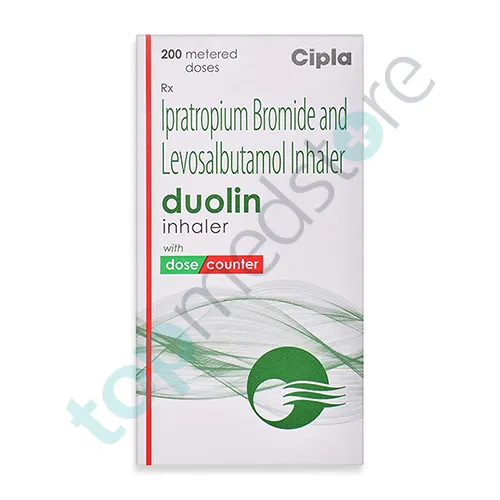
Ipratropium Bromide-LevaSalbutamol 200 Metered Doses
$101.01 – $257.16
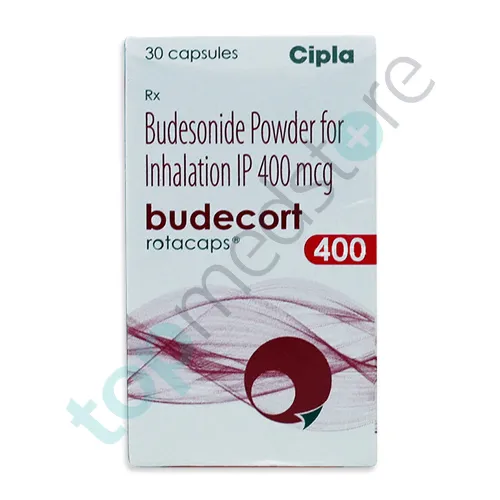
| Product name | Budesonide 400mcg |
|---|---|
| Active Ingredient | Budesonide |
| Dosage | 400mcg |
| Drug Type | Rotacaps |
| Indication | Asthma |
| Manufacturer | Cipla Limited |
Total $85.50
Budesonide 400mcg is a prescription corticosteroid inhalation medicine used for long-term control of asthma and chronic airway inflammation. It is commonly prescribed by a pulmonologist when symptoms are persistent or not well controlled with lower doses.
This higher strength (400 micrograms) is typically used when stronger anti-inflammatory action is needed to keep the airways stable.
It is important to understand that this is a controller inhaler, not a rescue medicine. It does not give instant relief during sudden breathing difficulty but works gradually with regular use.
In simple words, Budesonide 400mcg helps reduce swelling in the lungs so breathing stays smooth and controlled over time.
In asthma and similar conditions, the airways become inflamed (swollen and irritated) and overly sensitive to triggers like dust, pollution, cold air, or allergens.
This inflammation narrows the airways and leads to symptoms such as wheezing (a whistling sound while breathing), coughing, chest tightness, and shortness of breath.
Budesonide works by calming this inflammation.
It belongs to a group of medicines called corticosteroids, which reduce the immune system’s overreaction in the lungs.
When used regularly, it decreases swelling, reduces mucus production, and makes the airways less sensitive.
Over time, this results in fewer asthma attacks, improved breathing, and better lung function.
In simple terms, this medicine reduces inflammation inside the lungs so air can flow more easily.
Budesonide 400mcg is mainly used for moderate to severe asthma, where regular control of symptoms is required.
It helps prevent frequent coughing, wheezing, and breathlessness.
Doctors may also prescribe it in other chronic respiratory conditions where airway inflammation needs to be controlled.
This medicine is especially useful for patients who need higher-dose maintenance therapy to keep symptoms stable.
It reduces the risk of flare-ups (sudden worsening of symptoms) and improves quality of life.
In real-life treatment, pulmonologists recommend this medicine when strong and consistent control of airway inflammation is necessary.
Budesonide works directly inside the lungs to reduce inflammation.
It blocks the release of inflammatory substances that cause swelling, irritation, and mucus buildup.
It also reduces the activity of immune cells that contribute to airway narrowing.
Because it is inhaled, the medicine acts locally in the lungs, which increases effectiveness and reduces systemic side effects.
Its effect builds over time, which is why consistent use is important.
In simple words, this medicine prevents swelling in the lungs and keeps the airways open.
Most people tolerate this medicine well when used correctly.
Some may experience throat irritation or dryness after inhalation.
You may notice hoarseness of voice, especially with long-term use.
A common side effect is oral thrush (a fungal infection in the mouth), which can be prevented by rinsing the mouth after using the inhaler.
In some cases, there may be a mild cough or throat discomfort.
At higher doses, long-term use may rarely cause systemic steroid effects, but this is uncommon when used properly.
Most side effects are mild and manageable.
Budesonide 400mcg should be used under the supervision of a pulmonologist.
Use the inhaler regularly as prescribed, even if you feel well.
Always use the correct inhalation technique to ensure proper delivery of the medicine.
Rinse your mouth after each use to reduce the risk of infection.
Do not stop the medicine suddenly without medical advice.
This inhaler is not meant for sudden breathing attacks; a fast-acting inhaler should be used in emergencies.
Regular follow-up helps monitor lung function and adjust dosage if needed.
Combining this medicine with trigger avoidance and proper respiratory care improves long-term outcomes.
This content is for informational purposes only and does not replace medical advice, diagnosis, or treatment. Always consult your pulmonologist before starting or changing any medicine.
$101.01 – $257.16
$47.69 – $156.08
$27.72 – $90.72
$40.26 – $131.76