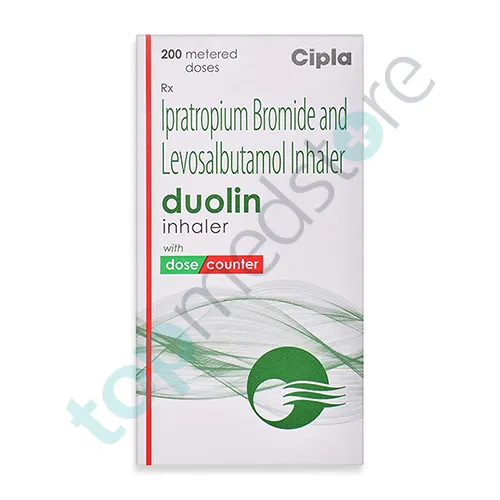
Ipratropium Bromide-LevaSalbutamol 200 Metered Doses
$101.01 – $257.16
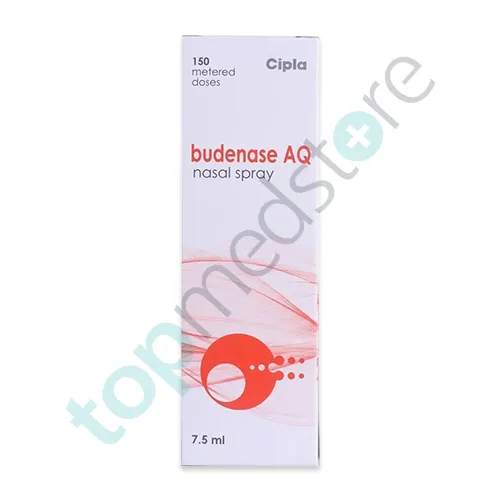
| Product name | Budesonide 100Mcg Aq Nasal Spray 150 Metered Dose |
|---|---|
| Active Ingredient | Budesonide |
| Dosage | 100mcg-150 Doses |
| Drug Type | Containers |
| Indication | Allergic Rhinitis |
| Manufacturer | Cipla Limited |
Budesonide 100mcg-150 Doses Spray
In stock
Total $111.33
Budesonide 100mcg AQ Nasal Spray (150 metered doses) is a corticosteroid nasal spray used to treat nasal allergies and inflammation inside the nose. It is commonly prescribed by an ENT specialist when symptoms like nasal congestion, sneezing, runny nose, and irritation are frequent or persistent.
This medicine is delivered as a fine spray into the nose, allowing it to act directly on the nasal lining. Each spray provides a measured dose (100 micrograms), ensuring consistent treatment with every use.
It is a maintenance medicine, meaning it works gradually to control symptoms over time rather than giving instant relief.
In simple words, this nasal spray reduces swelling inside the nose so you can breathe more comfortably.
In allergic conditions like allergic rhinitis (inflammation of the nasal lining due to allergens such as dust, pollen, or smoke), the inside of the nose becomes inflamed, swollen, and sensitive.
This inflammation leads to symptoms like blocked nose, continuous sneezing, watery discharge, and itching.
Budesonide works by calming this inflammation. It reduces the immune system’s overreaction to allergens and decreases the release of substances that cause swelling and irritation.
As the swelling reduces, the nasal passages open up, making it easier to breathe. It also reduces mucus production and irritation.
Because the spray is applied directly inside the nose, it provides targeted action with minimal effect on the rest of the body.
In simple terms, this medicine reduces swelling and irritation in the nose so airflow improves and symptoms decrease.
Budesonide nasal spray is mainly used for allergic rhinitis, which can be seasonal (due to pollen) or perennial (due to dust, mites, or pollution).
It helps relieve symptoms such as nasal blockage, sneezing, runny nose, and itching.
Doctors may also prescribe it for non-allergic rhinitis, where similar symptoms occur without a clear allergy trigger.
In some cases, it is used to manage nasal inflammation associated with sinus conditions, helping reduce congestion.
It is also helpful in maintaining long-term control of nasal symptoms and improving quality of life in people with chronic allergies.
In real-life use, ENT specialists recommend this spray when consistent control of nasal inflammation is needed rather than temporary relief.
Budesonide is a corticosteroid, which means it reduces inflammation.
When sprayed into the nose, it blocks the release of inflammatory chemicals that cause swelling, mucus production, and irritation.
It also reduces the activity of immune cells that react to allergens.
This leads to less swelling, reduced mucus, and improved airflow through the nasal passages.
The effect builds gradually with regular use, which is why it is important to use it consistently.
In simple words, this medicine calms the nasal lining and prevents it from overreacting to allergens.
Most people tolerate this nasal spray well when used correctly.
Some may experience mild irritation or dryness inside the nose.
There may be slight burning or stinging sensation after spraying.
In some cases, nosebleeds (minor bleeding) can occur, especially with frequent use.
You may notice a dry throat or mild cough if some of the spray drips backward.
Rarely, there may be allergic reactions or persistent irritation.
Most side effects are mild and improve with proper use.
Budesonide nasal spray should be used under the guidance of an ENT specialist.
Use the spray exactly as prescribed, usually once or twice daily.
Do not overuse, as excessive doses may increase the risk of side effects.
Aim the spray slightly away from the nasal septum (the center wall of the nose) to reduce irritation.
Regular use is important for best results, as the medicine works gradually.
Inform your doctor if you have recent nasal surgery, infection, or frequent nosebleeds.
This medicine is safe for long-term use when monitored properly.
Combining treatment with avoidance of allergens and good nasal hygiene improves effectiveness.
This content is for informational purposes only and does not replace medical advice, diagnosis, or treatment. Always consult your ENT specialist before starting or changing any medicine.
$101.01 – $257.16
$47.69 – $156.08
$27.72 – $90.72
$40.26 – $131.76