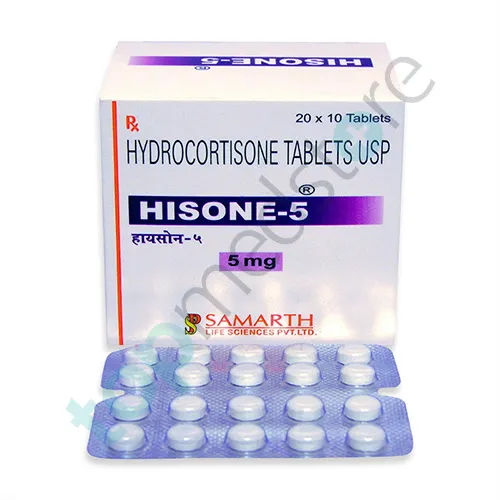
Hydrocortisone 5mg
$50.00 – $164.00
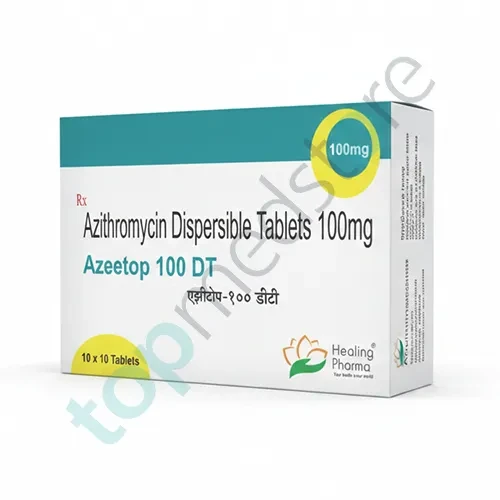
Azithromycin is a prescription antibiotic medicine used to treat a wide range of bacterial infections in the body. It is commonly prescribed by a physician, ENT specialist, or infectious disease doctor depending on the site and severity of infection.
Bacterial infections happen when harmful bacteria enter the body, multiply, and start affecting normal body functions. These infections can affect the throat, lungs, ears, skin, sinuses, and sometimes the stomach or reproductive system. Symptoms may include fever, pain, swelling, cough, sore throat, ear pain, or general weakness.
Azithromycin belongs to a group of antibiotics called macrolides. It is widely used because it works against many common bacteria and is often well tolerated by patients.
It is available in tablet, capsule, and oral suspension (liquid) forms. It is usually taken once daily, and the full course must always be completed even if symptoms improve early. Stopping early can allow bacteria to return and become stronger.
Azithromycin works by stopping bacteria from making the proteins they need to survive.
Bacteria are living microorganisms that require proteins for growth, repair, and multiplication. Without these proteins, they cannot continue their life cycle.
Azithromycin attaches to a part of the bacterial cell called the ribosome, which is responsible for protein production. Ribosomes act like “factories” inside the bacteria that build essential proteins.
When Azithromycin blocks the ribosome, the bacteria cannot produce normal proteins. This disrupts their growth and stops them from multiplying further.
Over time, the bacteria become weak and are gradually eliminated by the body’s immune system. This helps reduce infection, inflammation, and related symptoms such as fever and pain.
One important feature of Azithromycin is that it stays active in body tissues for a long time, even after the last dose. This allows it to continue fighting bacteria and supporting recovery.
Doctors prescribe Azithromycin for many types of bacterial infections affecting different parts of the body.
It is commonly used for respiratory tract infections, including throat infections, tonsillitis, sinusitis, bronchitis, and pneumonia. These conditions often cause cough, fever, chest discomfort, and breathing difficulty.
It is also widely used for ear infections (otitis media), especially in children, where it helps reduce pain, inflammation, and bacterial growth.
Azithromycin can treat skin and soft tissue infections, helping reduce redness, swelling, pus formation, and pain caused by bacterial activity.
In some cases, it is used for certain sexually transmitted bacterial infections (STIs) when prescribed by a specialist.
It may also be used for intestinal bacterial infections, which can cause diarrhea, abdominal cramps, and dehydration.
The exact dose and duration depend on the infection type, patient age, and overall health condition. Proper medical supervision is important for safe and effective treatment.
Azithromycin works by interfering with bacterial protein synthesis, which is essential for bacterial survival.
It binds to the 50S subunit of bacterial ribosomes. Ribosomes are structures inside bacteria that act as protein-making centers.
When Azithromycin attaches to this subunit, it blocks the ribosome from building proteins correctly. Without proper proteins, bacteria cannot grow, divide, or repair themselves.
This leads to bacteriostatic action, meaning it stops bacterial growth. In higher concentrations, it can also have a bactericidal effect, meaning it helps kill bacteria directly.
As the bacterial population reduces, symptoms such as fever, pain, swelling, and redness gradually improve. The immune system then completes the process of clearing the infection.
Azithromycin is also known for its long half-life. This means it stays in the body tissues for an extended time and continues working even after the course is finished, which is why shorter treatment schedules are often effective.
Like all medicines, Azithromycin may cause side effects, although most are mild and temporary.
Some patients may experience nausea, vomiting, diarrhea, abdominal pain, or mild stomach discomfort. These effects are usually temporary and improve after the body adjusts.
Headache, dizziness, or mild tiredness may occur in some individuals.
Rarely, allergic reactions such as skin rash, itching, or swelling may develop and require medical attention.
In some cases, Azithromycin may affect heart rhythm. This condition is called QT prolongation, which means a delay in the heart’s electrical recovery between beats. It is more important in patients with existing heart conditions or those taking certain other medicines.
Very rarely, liver-related problems may occur, especially in people with pre-existing liver disease.
Patients should always avoid self-medication and complete the full prescribed antibiotic course to prevent resistance and reinfection.
If severe symptoms such as chest pain, difficulty breathing, or severe allergic reactions occur, immediate medical help should be taken.
This content is for informational purposes only. It does not replace professional medical advice, diagnosis, or treatment. Always consult a physician before starting or changing Azithromycin. Use this medicine exactly as prescribed and complete the full course to ensure effective bacterial infection control and prevent antibiotic resistance.
| Product name | Azithromycin |
|---|---|
| Category | Antibacterial Medicines |
| Shipping offer | Free shipping on orders of $110.00 or more |
$50.00 – $164.00
$63.30 – $207.60
$82.49 – $269.96
$37.05 – $121.32