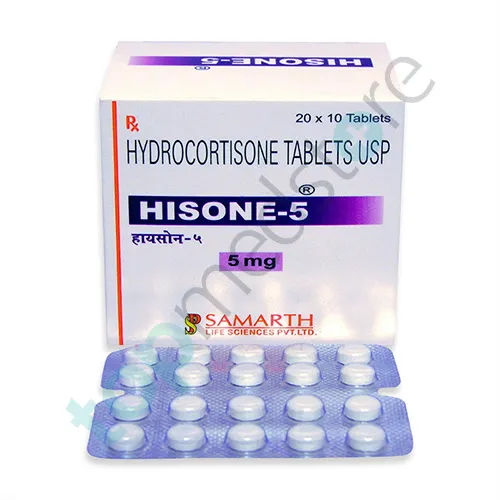
Hydrocortisone 5mg
$50.00 – $164.00

| Product name | Azithromycin 1000mg |
|---|---|
| Active Ingredient | Azithromycin |
| Dosage | 1000mg |
| Drug Type | Tablets |
| Indication | Bacterial Infections |
| Manufacturer | Cipla Limited |
Total $128.60
Azithromycin 1000mg is a prescription antibiotic medicine used to treat different types of bacterial infections. Bacterial infections occur when bad bacteria grow in the body. This growth makes a person sick.
Doctors may prescribe Azithromycin 1000mg tablets for infections of the throat, lungs, chest, ears, skin, and reproductive system. This medicine may also treat certain sexually transmitted infections (STIs). STIs are infections that spread through sexual contact.
An infectious disease specialist, which means a doctor who treats infections, or a general physician may prescribe Azithromycin 1000mg depending on the infection type and severity.
Antibiotics like Azithromycin 1000mg tablets only treat bacterial infections. They do not work against viral infections like the common cold or flu.
Proper treatment with Azithromycin 1000mg may help reduce infection symptoms, stop bacterial growth, and support faster recovery.
Azithromycin 1000mg belongs to a group of medicines called macrolide antibiotics. These antibiotics stop bacteria from making proteins they need to survive.
Without these proteins, bacteria cannot grow properly. Over time, the bacteria die and the infection improves.
By stopping bacterial growth, Azithromycin 1000mg tablets may help reduce symptoms such as fever, sore throat, cough, swelling, pain, or discharge caused by infection.
Doctors prescribe Azithromycin 1000mg to treat different bacterial infections. Common uses include throat infections, sinus infections, chest infections, skin infections, ear infections, and some sexually transmitted infections.
Some doctors also prescribe Azithromycin 1000mg tablets for respiratory tract infections. The respiratory tract includes the lungs and breathing passages.
Doctors choose antibiotics based on the type of bacteria causing the infection.
Azithromycin 1000mg may help reduce infection symptoms and support faster healing by stopping bacterial growth.
Patients may notice improvement in fever, pain, cough, swelling, sore throat, or discomfort after starting treatment. Many infections begin improving within a few days.
One benefit of Azithromycin 1000mg tablets is convenient treatment. Some infections need shorter antibiotic courses compared to certain other medicines.
Proper antibiotic treatment may also help prevent infection complications and stop bacteria from spreading to other parts of the body.
Take Azithromycin 1000mg exactly as your doctor prescribes. Swallow the tablet with water. You can take it with or without food.
If your doctor prescribes multiple doses, take the medicine at the same time every day. Complete the full antibiotic course even if you start feeling better early.
Stopping antibiotics too soon may allow bacteria to grow again. This may make the infection harder to treat.
Do not take more than the prescribed dose of Azithromycin 1000mg tablets.
Like all medicines, Azithromycin 1000mg may cause side effects in some people. Many side effects remain mild and improve after treatment ends.
Common side effects may include nausea, stomach pain, diarrhea, vomiting, headache, or stomach discomfort.
Some patients may develop loose stools because antibiotics can affect healthy stomach bacteria.
Serious side effects happen less often but may include breathing difficulty, severe allergic reaction, chest pain, severe diarrhea, or irregular heartbeat. Irregular heartbeat means the heart beats too fast, too slow, or unevenly.
Contact a doctor immediately if serious symptoms appear.
Before taking Azithromycin 1000mg tablets, tell your doctor about your medical history. Patients with liver disease, kidney disease, heart rhythm problems, or previous antibiotic allergies may need careful monitoring.
Some patients may develop changes in heart rhythm during treatment. Patients with existing heart conditions should use this medicine carefully.
Avoid using antibiotics without medical advice. Incorrect antibiotic use may lead to antibiotic resistance. Antibiotic resistance means bacteria become harder to kill with medicines.
Pregnant or breastfeeding women should consult a healthcare professional before taking Azithromycin 1000mg.
Azithromycin 1000mg may interact with medicines used for heart disease, acidity, infections, or blood thinning.
Drug interactions happen when one medicine changes the effect of another medicine. This may increase side effects or reduce treatment effectiveness.
Always tell your doctor about all medicines, supplements, and herbal products before starting Azithromycin 1000mg tablets.
Store Azithromycin 1000mg tablets at room temperature in a cool and dry place. Protect the medicine from heat, moisture, and direct sunlight.
Keep the tablets away from children and pets. Do not use expired medicine.
This content provides educational information only. It does not replace medical advice, diagnosis, or treatment. Always consult an infectious disease specialist, which means a doctor who treats infections, or another healthcare professional before starting or stopping Azithromycin 1000mg tablets.
$50.00 – $164.00
$63.30 – $207.60
$82.49 – $269.96
$37.05 – $121.32