
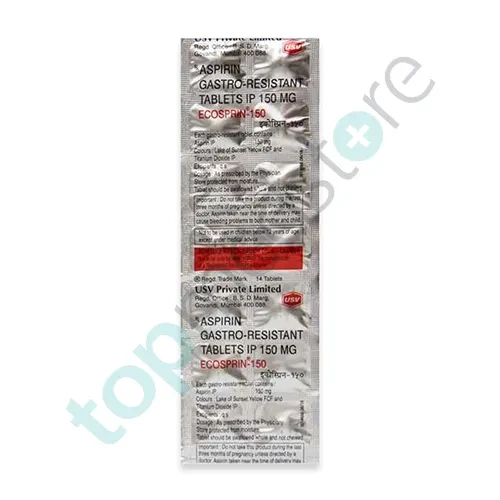
Acetylsalicylic Acid 150mg
$19.60 – $66.64
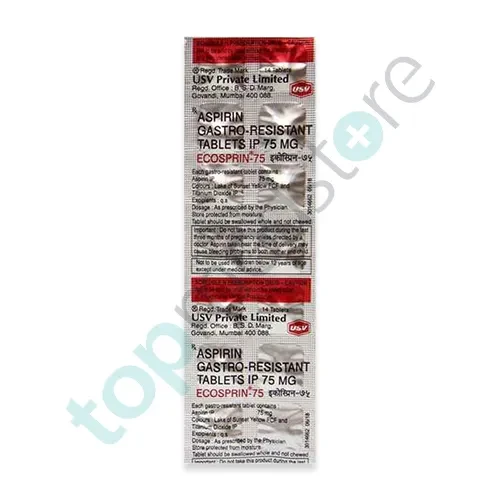
Acetylsalicylic Acid is a widely used medicine that helps reduce pain, fever, and inflammation. It is also commonly known as aspirin. Doctors prescribe it in low doses for protecting the heart and in higher doses for pain relief.
This medicine belongs to a group called non-steroidal anti-inflammatory drugs (NSAIDs). NSAIDs help reduce swelling and pain in the body. Inflammation means the body’s response to injury or infection, which often causes redness, heat, swelling, and discomfort.
Acetylsalicylic Acid tablets are used in many medical conditions because they act on pain, fever, and blood clot formation. A blood clot is a thick mass of blood that can block blood flow.
Many people use Acetylsalicylic Acid for pain relief, such as headaches, muscle pain, tooth pain, and body aches. In low doses, doctors often use it for heart protection.
This medicine should be used carefully because it can affect the stomach and blood clotting system.
Acetylsalicylic Acid works by blocking certain chemicals in the body called prostaglandins. Prostaglandins are responsible for pain, fever, and inflammation.
When injury or infection occurs, the body releases prostaglandins. These chemicals increase pain signals, swelling, and body temperature. Acetylsalicylic Acid tablets reduce their production, which helps lower pain and fever.
The medicine also affects platelets in the blood. Platelets are small blood cells that help stop bleeding by forming clots. Acetylsalicylic Acid medicine makes platelets less sticky, which reduces the risk of unwanted blood clots.
Because of this effect, doctors often prescribe low-dose aspirin for people at risk of heart attack or stroke. A heart attack happens when blood flow to the heart is blocked.
The medicine is absorbed quickly in the body and starts working within a short time. Its effects on platelets may last longer than its pain-relief action.
Doctors prescribe Acetylsalicylic Acid for several medical conditions related to pain, inflammation, fever, and heart protection.
The most common use is for pain relief and fever reduction. It helps reduce headaches, tooth pain, muscle pain, and body aches.
Many patients use Acetylsalicylic Acid tablets for inflammatory conditions, such as joint pain or arthritis. Arthritis is a condition where joints become swollen and painful.
Doctors also use low-dose Acetylsalicylic Acid for heart protection. It helps reduce the risk of blood clots that can lead to heart attack or stroke.
Common uses include:
Some doctors may prescribe it after certain heart procedures to prevent clot formation inside blood vessels or stents. A stent is a small tube placed in arteries to keep them open.
Cardiologists often recommend Acetylsalicylic Acid medicine for long-term cardiovascular protection in selected patients.
Acetylsalicylic Acid works by blocking enzymes called COX-1 and COX-2. These enzymes help produce prostaglandins.
When prostaglandin production decreases, pain signals become weaker, inflammation reduces, and fever comes down. This is why Acetylsalicylic Acid tablets are effective for pain and fever.
In addition to pain relief, the medicine also affects blood clot formation. It blocks a chemical called thromboxane in platelets. Thromboxane helps platelets stick together to form clots.
By reducing thromboxane, Acetylsalicylic Acid medicine lowers the chance of unwanted clot formation inside blood vessels. This helps protect against heart attack and stroke in high-risk patients.
The effect on platelets lasts for several days because platelets do not regenerate quickly. This is why even small doses can have long-lasting heart-protective effects.
Doctors usually recommend taking the medicine with food or water to reduce stomach irritation.
Like all medicines, Acetylsalicylic Acid may cause side effects in some people. Most side effects are mild, but some can be serious.
Common side effects include stomach pain, heartburn, nausea, and indigestion. Heartburn is a burning feeling in the chest caused by stomach acid.
Some people may experience increased risk of bleeding because the medicine reduces blood clotting ability. This may lead to easy bruising or prolonged bleeding from cuts.
In some cases, Acetylsalicylic Acid tablets may cause dizziness or ringing in the ears. Ringing in the ears is also called tinnitus.
Serious side effects may include stomach ulcers, internal bleeding, or allergic reactions such as rash, swelling, or breathing difficulty.
Children and teenagers should avoid this medicine during viral infections because it may increase the risk of a rare condition called Reye’s syndrome, which affects the liver and brain.
Patients with stomach ulcers, bleeding disorders, asthma, or kidney disease should use Acetylsalicylic Acid medicine only under strict medical supervision.
This content is for educational purposes only. It does not replace professional medical advice, diagnosis, or treatment. Always consult a healthcare provider before using Acetylsalicylic Acid tablets or changing your pain or heart treatment plan.
| Product name | Acetylsalicylic Acid |
|---|---|
| Category | Blood Thinners & Antiplatelet Medicines |
| Shipping offer | Free shipping on orders of $110.00 or more |
$19.60 – $66.64
$18.62 – $58.80