Leucovorin Calcium 15mg
$68.00 – $222.80
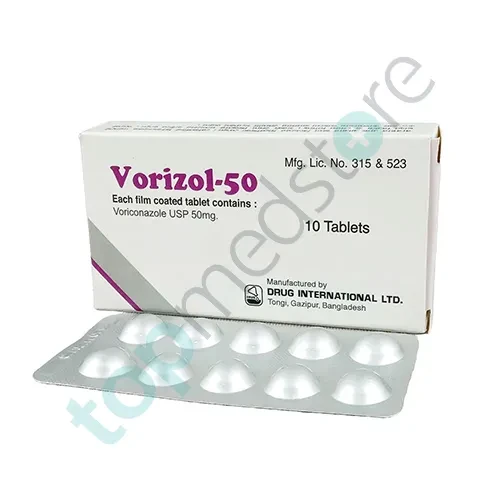
Voriconazole is a prescription antifungal medicine used to treat serious and potentially life-threatening fungal infections inside the body. An infectious disease specialist usually prescribes this medicine. An infectious disease specialist is a doctor who treats complex infections caused by fungi, bacteria, viruses, and parasites.
Fungal infections develop when harmful fungi grow uncontrollably in the body. Mild fungal infections may affect the skin or nails, but severe infections can spread into the lungs, bloodstream, brain, eyes, or other organs.
Patients with weak immune systems have a higher risk of severe fungal disease. This includes people receiving chemotherapy, organ transplant medicines, long-term steroid treatment, or advanced immune system disorders.
Voriconazole helps stop fungal growth and prevents the infection from spreading further.
The medicine belongs to a group called triazole antifungal medicines. These medicines interfere with fungal cell membrane production and help destroy fungal cells.
Doctors may prescribe Voriconazole as tablets, oral suspension, or intravenous injection depending on the severity of infection.
Early treatment is important because severe fungal infections can become dangerous if left untreated.
Voriconazole works by damaging the protective outer covering of fungal cells.
Fungi need a substance called ergosterol to build strong cell membranes. The cell membrane acts like a protective barrier that keeps fungal cells alive and stable.
Voriconazole blocks the production of ergosterol inside fungal cells.
Without enough ergosterol, fungal cell membranes become weak, unstable, and unable to function properly.
As the membrane becomes damaged, fungal cells lose their ability to grow and multiply.
This helps stop the spread of infection and allows the immune system to clear remaining fungal organisms more effectively.
The medicine can reach deep tissues inside the body, including the lungs, brain, and bloodstream. This makes it useful for treating severe invasive fungal infections.
Doctors prescribe Voriconazole for several serious fungal infections.
It is widely used for invasive aspergillosis, a dangerous infection caused by Aspergillus fungi. This infection commonly starts in the lungs but may spread to the brain or other organs.
The medicine is also used for severe Candida infections, especially when fungal infection spreads into the bloodstream. Bloodstream fungal infection can become life-threatening if not treated quickly.
Doctors may prescribe Voriconazole for fungal infections affecting the brain, eyes, bones, skin, sinuses, or internal organs.
Patients with weakened immunity due to cancer therapy, organ transplantation, HIV infection, or severe illness may require this medicine to control invasive fungal disease.
In some cases, doctors use Voriconazole when other antifungal medicines fail or when fungi become resistant to standard treatment.
Long-term therapy may be needed depending on infection severity and immune system recovery.
Voriconazole works by blocking an enzyme that fungi need to produce ergosterol.
Ergosterol is essential for fungal survival because it maintains the structure and stability of the fungal cell membrane.
The medicine interferes with fungal enzyme activity and prevents proper membrane formation.
As fungal cells lose membrane strength, they become weak and eventually die.
This reduces fungal growth and limits infection spread inside the body.
Voriconazole works against many types of fungi responsible for severe invasive infections.
The medicine is absorbed into the bloodstream and travels throughout the body to reach infected tissues.
Doctors may adjust the dose carefully because the medicine interacts with many other drugs and is processed mainly through the liver.
Regular blood tests may be required during treatment to monitor medicine levels, liver health, and treatment response.
Like all strong antifungal medicines, Voriconazole may cause side effects, although not everyone develops them.
Some patients may experience nausea, vomiting, stomach pain, diarrhea, or loss of appetite during treatment.
Headache, dizziness, fever, or weakness may also occur in certain people.
One important side effect involves temporary vision changes. Some patients may notice blurred vision, increased brightness, light sensitivity, or altered color vision shortly after taking the medicine.
Skin sensitivity to sunlight may increase during therapy. Patients may develop sunburn more easily, especially during long-term treatment.
The medicine can also affect liver function in some people. Doctors often monitor liver tests regularly during treatment.
Rarely, serious side effects such as irregular heartbeat, severe allergic reactions, hallucinations, or severe liver problems may occur.
Patients should seek immediate medical attention if they develop yellowing of the skin, dark urine, severe rash, chest pain, breathing difficulty, or confusion.
Proper monitoring helps doctors adjust treatment safely and reduce complications during long-term antifungal therapy.
This content is for informational purposes only. It does not replace professional medical advice, diagnosis, or treatment. Always consult an infectious disease specialist, doctor, or healthcare professional before starting or changing Voriconazole treatment. Use this medicine only as prescribed and attend regular blood tests and medical follow-up appointments for safe and effective fungal infection management.
| Product name | Voriconazole |
|---|---|
| Category | Antifungal Medicines |
| Shipping offer | Free shipping on orders of $110.00 or more |
$68.00 – $222.80
$62.70 – $205.20
$39.60 – $129.60
$25.80 – $84.00