Fluticasone-Mupirocin 0.005%-2% 10g
$81.84 – $267.84
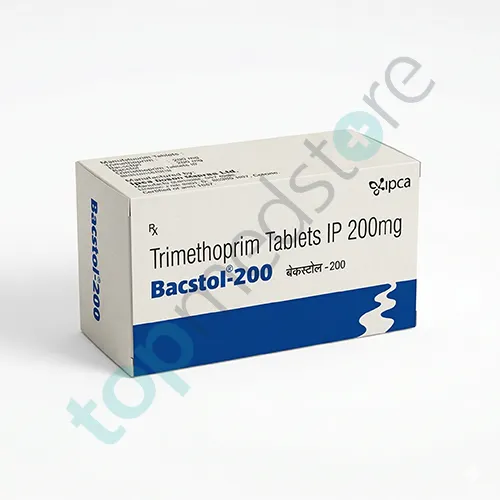
Trimethoprim is a prescription antibiotic medicine used to treat bacterial infections, especially infections of the urinary tract (UTI). A physician or urologist often prescribes it when bacteria affect the bladder or other parts of the urinary system.
Urinary tract infections happen when harmful bacteria enter the urinary system and multiply. This can cause burning during urination, frequent urge to pass urine, lower abdominal pain, and cloudy urine. If not treated, the infection can spread to the kidneys and become more serious.
Trimethoprim helps stop bacterial growth so the body can clear the infection naturally. It is often used alone or sometimes in combination with other antibiotics depending on infection severity.
It is a well-known medicine for simple and uncomplicated urinary infections.
Trimethoprim works by blocking an important process that bacteria need to make DNA.
Bacteria need DNA to grow and multiply. To build DNA, they use a chemical called folic acid. Trimethoprim blocks an enzyme called dihydrofolate reductase, which bacteria need to make active folic acid.
When folic acid production stops, bacteria cannot make DNA properly. Without DNA, bacteria cannot grow or divide. This slowly reduces the infection.
The medicine does not kill bacteria instantly in all cases, but it stops their growth, allowing the immune system to remove them from the body.
A physician may monitor symptom improvement such as reduced burning during urination, less pain, and clearer urine.
The main use of Trimethoprim is the treatment of urinary tract infections (UTIs).
It is commonly prescribed for bladder infections (cystitis), where bacteria cause pain, burning, and frequent urination.
A urologist may also use it for mild to moderate kidney-related infections depending on bacterial sensitivity.
In some cases, it is used for respiratory tract infections or ear infections, but only when bacteria are sensitive to the medicine.
It may also be used for preventing repeated UTIs in people who get frequent infections.
Trimethoprim is not effective for viral infections such as cold or flu.
A physician chooses it based on urine culture reports, infection severity, and patient history.
Trimethoprim works by stopping bacteria from making DNA.
It blocks an enzyme called dihydrofolate reductase, which bacteria use to produce folic acid. Folic acid is necessary for DNA production.
When this enzyme is blocked, bacteria cannot form proper DNA. Without DNA, bacteria cannot grow, multiply, or survive.
As a result, the infection gradually reduces, and symptoms start improving.
This action allows the body’s immune system to fully clear the remaining bacteria.
A physician may check urine tests or symptom improvement to confirm recovery.
It is important to take the full course of treatment to prevent infection from returning.
Like all medicines, Trimethoprim may cause side effects, although not everyone experiences them.
Common side effects include nausea, vomiting, stomach upset, loss of appetite, and mild headache. These are usually temporary and improve during treatment.
Some people may feel dizziness or mild weakness.
Rare side effects include skin rash, itching, or allergic reactions. These require medical attention.
In rare cases, Trimethoprim may affect blood cell levels, leading to unusual tiredness, sore throat, or frequent infections.
A physician may recommend blood tests during long-term use to ensure safety.
Most side effects are mild when the medicine is used correctly under medical supervision.
This content is for educational purposes only and does not replace professional medical advice, diagnosis, or treatment. Trimethoprim should only be used under the supervision of a qualified physician or urologist. Always follow your doctor’s instructions and complete the full antibiotic course for safe and effective infection control.
| Product name | Trimethoprim |
|---|---|
| Category | Antibacterial Medicines |
| Shipping offer | Free shipping on orders of $110.00 or more |
$81.84 – $267.84
$211.00 – $692.00
$42.60 – $139.20
$50.60 – $165.60