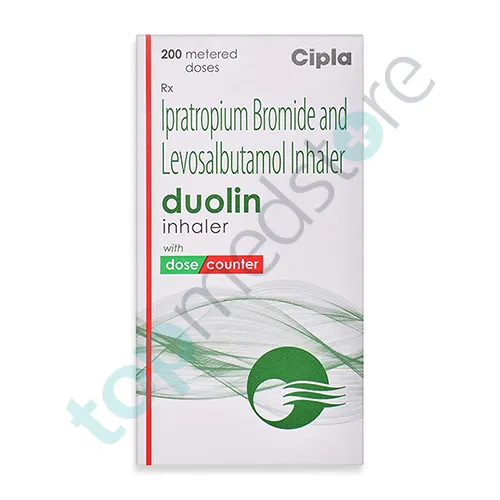
Ipratropium Bromide-LevaSalbutamol 200 Metered Doses
$101.01 – $257.16
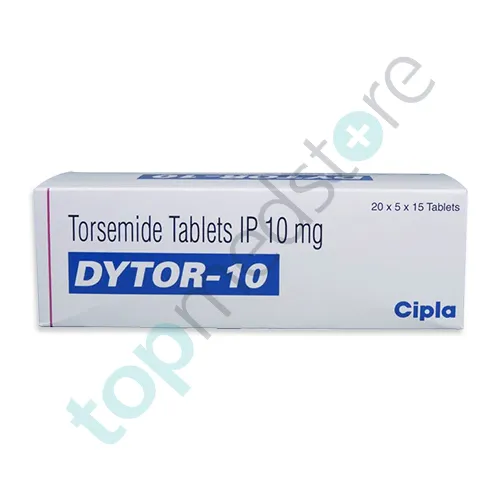
Torsemide is a medicine used to remove extra fluid from the body and treat swelling (edema) and high blood pressure. Doctors such as a cardiologist, nephrologist (kidney specialist), general physician, or internal medicine specialist may prescribe this medicine depending on the condition. It belongs to a group of medicines called loop diuretics, also known as “water tablets”.
Swelling happens when excess fluid builds up in the body. This may occur in conditions like heart failure, kidney disease, or liver disease. It can cause swelling in the legs, ankles, abdomen, or lungs. Torsemide helps the body remove this extra fluid through urine.
This medicine is commonly available in tablet form and is usually taken once daily. It may also help reduce symptoms like breathlessness caused by fluid buildup in the lungs.
Because it changes fluid and electrolyte balance, it must be used under medical supervision.
Torsemide works by acting on the kidneys to increase urine production. The kidneys filter blood and remove waste and extra fluid from the body.
This medicine blocks the reabsorption of sodium and chloride in a part of the kidney called the loop of Henle. Sodium is a mineral that helps control fluid balance in the body.
When sodium is not reabsorbed, more water is pulled out of the body through urine. This helps reduce excess fluid in tissues and lowers swelling.
As fluid levels decrease, the heart does not need to work as hard to pump blood. This can improve breathing and reduce pressure in blood vessels.
In high blood pressure, Torsemide helps lower blood volume, which reduces pressure on artery walls.
Because it acts strongly on the kidneys, doctors carefully adjust the dose to avoid dehydration or electrolyte imbalance.
Torsemide is used for conditions where the body retains excess fluid or has high blood pressure.
One major use of Torsemide tablets is the treatment of heart failure. Heart failure is a condition where the heart cannot pump blood effectively. This can lead to fluid buildup in the lungs and body. Torsemide helps reduce swelling and improves breathing.
Doctors also prescribe Torsemide for edema (fluid retention) caused by kidney disease. Kidney problems can reduce the body’s ability to remove excess fluid, leading to swelling.
Another use is in liver disease, where fluid may build up in the abdomen, a condition called ascites. Torsemide helps reduce this fluid accumulation.
It is also used for high blood pressure (hypertension) in some patients. Hypertension means increased pressure in blood vessels, which can damage the heart, brain, and kidneys over time.
In some cases, it is used when other diuretics are not effective or suitable.
Doctors may combine Torsemide with other heart or blood pressure medicines for better control of symptoms.
Torsemide works by increasing the removal of salt and water from the body through urine.
It blocks the reabsorption of sodium and chloride in the kidneys. When these salts are removed, water follows them out of the body.
This reduces excess fluid in tissues, which helps decrease swelling in the legs, ankles, and abdomen.
In heart failure, Torsemide reduces the workload on the heart by lowering fluid volume. This helps improve breathing and reduces fatigue.
In high blood pressure, it lowers blood volume, which reduces pressure inside blood vessels.
Because it works strongly, it is important to maintain proper hydration and electrolyte balance during treatment.
Doctors may regularly check blood tests to monitor kidney function and salt levels like potassium and sodium.
Like all medicines, Torsemide may cause side effects in some people. Many are related to fluid and electrolyte changes in the body.
Common side effects include increased urination, dizziness, headache, weakness, and low blood pressure.
Because it removes water and salts, Torsemide may cause dehydration if not taken properly.
It may also cause low levels of electrolytes such as potassium, sodium, or magnesium. Low potassium can lead to muscle cramps, fatigue, or irregular heartbeat.
Some patients may experience nausea, vomiting, or dry mouth.
Rare but serious side effects include severe dehydration, kidney problems, hearing issues, or severe electrolyte imbalance.
Patients should be careful when standing up quickly, as low blood pressure may cause dizziness or fainting.
People with kidney disease, liver disease, or heart problems should use this medicine only under strict medical supervision.
Seek medical help if symptoms like severe weakness, irregular heartbeat, confusion, or extreme dizziness occur.
This content is for educational purposes only and should not replace professional medical advice. Torsemide should only be used under the supervision of a qualified healthcare professional such as a cardiologist, nephrologist, or internal medicine specialist. Do not change the dose or stop the medicine without medical guidance. Treatment response and side effects may vary depending on the patient’s medical condition, kidney function, and overall health.
| Product name | Torsemide |
|---|---|
| Category | Heart Failure & Fluid Retention Medicines |
| Shipping offer | Free shipping on orders of $110.00 or more |
$101.01 – $257.16
$47.69 – $156.08
$27.72 – $90.72
$40.26 – $131.76