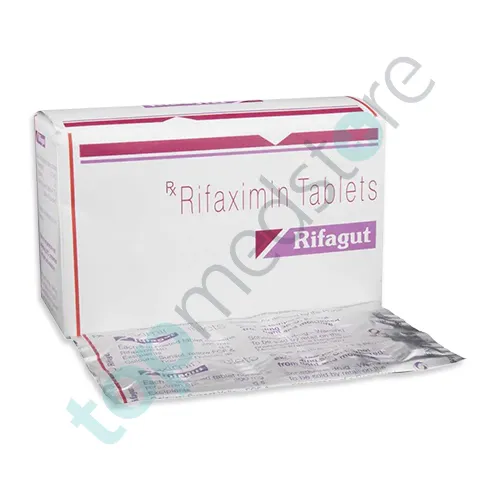
Rifaximin 200mg
$207.00 – $680.00
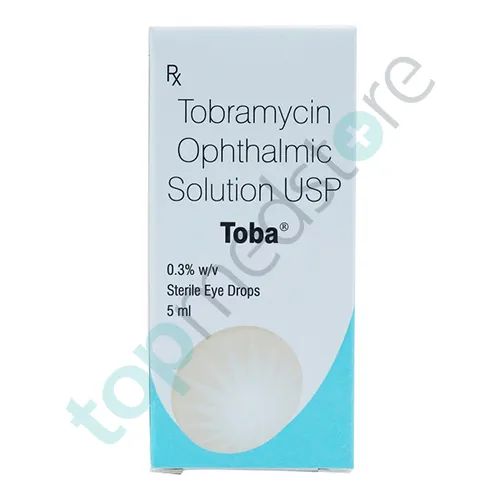
| Product name | Tobramycin Ophth Soln 0.3%-5ml |
|---|---|
| Active Ingredient | Tobramycin |
| Dosage | 0.3% 5ml |
| Drug Type | Bottles |
| Indication | Bacterial Eye Infection |
| Manufacturer | Sun Pharma |
Tobramycin 0.3% 5ml Ophthalmic Eye Drops (Solution)
In stock
Total $64.14
Tobramycin Ophthalmic Solution 0.3% – 5ml is an antibiotic eye drop used to treat bacterial infections of the eyes. It belongs to the aminoglycoside class of antibiotics, which means it works by stopping bacteria from making essential proteins needed for their growth. A ophthalmologist, who is a eye specialist doctor, usually prescribes this medicine.
A bacterial eye infection means harmful bacteria have entered the eye and started multiplying. This can affect the conjunctiva (thin layer covering the eye) or other parts of the eye surface.
The conjunctiva is a thin, transparent layer that protects the white part of the eye. When it gets infected, it can become red, swollen, and irritated.
Tobramycin eye drops help reduce bacterial growth directly at the infection site and support faster recovery of eye symptoms.
Doctors prescribe Tobramycin eye drops 0.3% for bacterial eye infections.
It is commonly used for bacterial conjunctivitis, which means infection of the conjunctiva. This condition can cause red eyes, itching, watery discharge, and discomfort.
It is also used for blepharitis, which means inflammation of the eyelids. This can cause swelling, redness, irritation, and crusting around the eyelashes.
Doctors may prescribe it for corneal infections, which means infection of the cornea. The cornea is the clear front layer of the eye that helps focus light. Infection here can cause pain, blurred vision, and sensitivity to light.
It is also used after eye surgery to prevent or treat bacterial infection, as the eye is more sensitive during healing.
Tobramycin works by blocking bacterial protein synthesis. Proteins are needed for bacteria to grow, survive, and multiply.
In simple words, this medicine stops bacteria from building their structure and functioning properly.
When bacteria cannot make proteins, they lose their ability to grow and eventually die.
Since it is an eye drop, it works directly on the infected surface of the eye, giving faster and more targeted action with minimal body absorption.
Some patients may experience side effects while using Tobramycin eye drops, but most are mild and temporary.
Common effects include eye irritation, which means mild burning or discomfort after applying the drops, and temporary blurred vision, which means vision may look unclear for a short time after use.
Some people may experience eye redness or itching, which usually reduces as the infection improves.
Moderate side effects include mild swelling of the eyelids or increased tearing.
Rare side effects include allergic reactions, which may cause severe redness, swelling, or discomfort in the eyes.
Very rarely, sensitivity to the medicine may lead to worsening irritation and requires medical attention.
Doctors advise using Tobramycin Ophthalmic Solution 0.3% – 5ml exactly as prescribed by an ophthalmologist. The dose depends on the severity of the infection.
Avoid touching the dropper tip to the eye or any surface to prevent contamination. Contamination means germs entering the bottle, which can worsen infection.
Remove contact lenses before using the drops and only reinsert them after your doctor’s advice.
Do not stop the medicine early, even if symptoms improve, as bacteria may return.
Wash hands before applying the drops to maintain eye hygiene.
Follow medical advice carefully. An ophthalmologist may adjust treatment based on response and healing progress. If prescribed, you can buy Tobramycin Ophthalmic Solution 0.3% – 5ml from trusted pharmacy sources.
Tobramycin Ophthalmic Solution 0.3% – 5ml is a prescription eye medicine. A qualified ophthalmologist should supervise its use. This content is for informational purposes only. It does not replace medical advice, diagnosis, or treatment. Always consult your doctor before starting or changing this medicine.
$207.00 – $680.00
$83.10 – $211.20
$142.00 – $464.00
$58.50 – $147.60