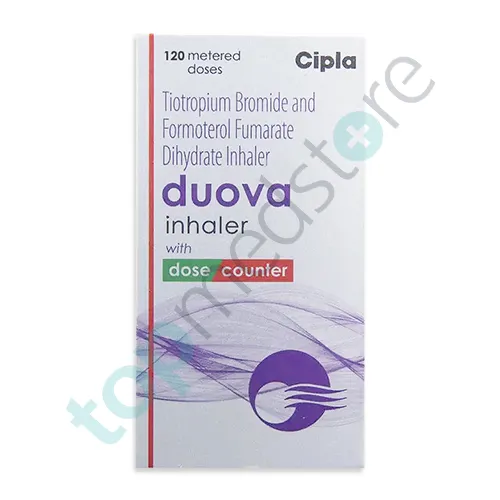
Tiotropium Bromide 18mcg
$144.00 – $470.40

Theophylline–Etofylline is a prescription medicine used to treat breathing problems such as asthma, bronchitis, and chronic obstructive pulmonary disease (COPD). A pulmonologist usually prescribes this medicine. A pulmonologist is a doctor who treats lung and breathing diseases.
This medicine belongs to a group called bronchodilators. Bronchodilators are medicines that help open narrow airways inside the lungs.
During asthma or COPD, the airways become tight, swollen, and filled with mucus. This makes breathing difficult and causes symptoms like wheezing, coughing, chest tightness, and shortness of breath.
Theophylline–Etofylline helps relax airway muscles and improves airflow to the lungs.
Doctors may prescribe this medicine along with inhalers and other respiratory medicines for better symptom control.
It is available in tablet, syrup, and injection forms depending on the patient’s condition and severity of breathing difficulty.
Theophylline–Etofylline helps improve breathing by relaxing the muscles around the airways.
The lungs contain small breathing tubes called bronchi. In asthma and COPD, these tubes become narrow because of muscle tightening and inflammation.
This medicine relaxes the airway muscles and widens the breathing passages.
As the airways open, oxygen moves more easily into the lungs and carbon dioxide moves out more effectively.
Theophylline also improves diaphragm function. The diaphragm is the main muscle used for breathing. Better diaphragm movement helps patients breathe with less effort.
The medicine may also reduce airway sensitivity and improve lung function over time.
Patients often notice easier breathing, reduced wheezing, and less chest tightness after regular treatment.
Doctors prescribe Theophylline–Etofylline for several long-term respiratory conditions.
It is commonly used in asthma, a condition where the airways suddenly become narrow and inflamed. Asthma may cause coughing, wheezing, and breathing difficulty, especially at night or during exercise.
The medicine is also used in chronic obstructive pulmonary disease (COPD). COPD is a long-term lung disease that blocks airflow and slowly damages lung function. Smoking is one of the major causes of COPD.
Some patients with chronic bronchitis may also benefit from this medicine. Chronic bronchitis causes long-term cough and mucus production due to airway irritation.
Doctors may prescribe this medicine to reduce breathing difficulty, improve airflow, and support better oxygen supply in the body.
Regular treatment can improve exercise capacity and help patients perform daily activities more comfortably.
Theophylline–Etofylline works by relaxing smooth muscles inside the lungs and improving airflow.
Theophylline increases certain natural chemical signals inside airway muscles. These signals help keep the muscles relaxed and prevent airway tightening.
When the muscles relax, the breathing tubes become wider. This process is called bronchodilation, which means opening the airways.
Etofylline supports this bronchodilator effect and helps improve overall breathing comfort.
The medicine may also reduce airway inflammation and improve lung performance over time.
In some patients, Theophylline can improve the strength of breathing muscles, especially the diaphragm.
This combination helps reduce symptoms such as wheezing, breathlessness, chest tightness, and chronic coughing.
Doctors may monitor blood levels of Theophylline because very high levels can increase the risk of side effects.
Like all medicines, Theophylline–Etofylline may cause side effects, especially if blood levels become too high.
Some patients may experience nausea, stomach discomfort, or vomiting during treatment.
Headache and dizziness can also occur in certain people.
Because the medicine stimulates the nervous system, some patients may feel restless, anxious, or unable to sleep properly.
Fast heartbeat, palpitations, or mild shaking of the hands may also happen in some cases.
High doses may increase the risk of serious side effects such as irregular heartbeat or seizures.
Patients with liver disease, heart disease, or elderly patients may need closer monitoring because the medicine stays longer in the body.
Doctors sometimes recommend blood tests to maintain safe medicine levels.
Patients should contact a doctor immediately if they experience severe chest pain, continuous vomiting, confusion, or unusual heartbeat changes.
This content is for informational purposes only. It does not replace professional medical advice, diagnosis, or treatment. Always consult a pulmonologist, doctor, or healthcare professional before starting or changing Theophylline–Etofylline treatment. Use this medicine only as prescribed and attend regular medical follow-ups for safe and effective breathing management.
| Product name | Theophylline-Etofylline |
|---|---|
| Category | Asthma & COPD Medicines |
| Shipping offer | Free shipping on orders of $110.00 or more |
$144.00 – $470.40
$125.40 – $410.40
$132.00 – $432.00