Atenolol 50mg
$50.40 – $129.92
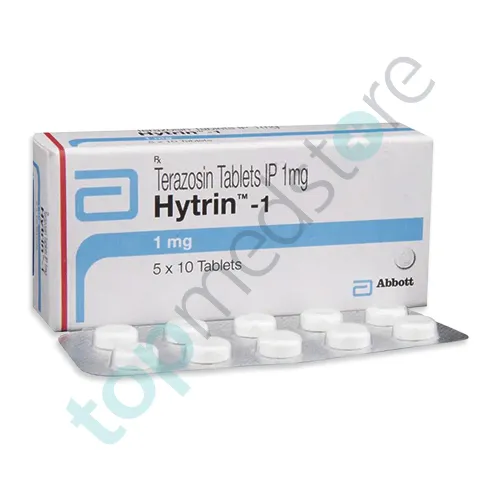
Terazosin is a prescription medicine used to treat high blood pressure and symptoms of an enlarged prostate. Doctors such as a urologist or cardiologist may prescribe this medicine to improve urine flow and help blood move more easily through the blood vessels.
Terazosin belongs to a group of medicines called alpha blockers. These medicines relax certain muscles in the body. When the muscles relax, blood vessels become wider and urine can pass more easily from the bladder.
Many older men develop a condition called benign prostatic hyperplasia (BPH). Benign means non-cancerous, prostatic refers to the prostate gland, and hyperplasia means enlargement. In simple words, BPH means the prostate becomes larger with age. A large prostate can press against the urinary tube and cause trouble while urinating.
People with BPH may feel that urine flow is weak or slow. Some may wake up many times at night to urinate. Others may feel that the bladder does not empty fully. Terazosin helps relax the muscles around the prostate and bladder so urination becomes easier and more comfortable.
Doctors also use Terazosin tablets to lower blood pressure. High blood pressure forces the heart to work harder. Over time, this may increase the risk of heart attack, stroke, or kidney problems. By relaxing blood vessels, Terazosin helps improve blood circulation and lowers pressure inside the arteries.
The medicine should only be used under medical supervision because it can affect blood pressure strongly, especially during the first few doses.
Terazosin works by relaxing smooth muscles in blood vessels and the urinary system. Smooth muscles are muscles that work automatically inside the body.
In patients with high blood pressure, tight blood vessels make it harder for blood to flow. The heart must push blood with extra force. Terazosin relaxes these blood vessels so blood can move more freely. This helps lower blood pressure and reduces stress on the heart.
In men with enlarged prostate, the medicine relaxes muscles around the prostate gland and bladder neck. The bladder neck is the area where urine leaves the bladder. Relaxed muscles help urine pass more easily.
Because of this effect, many patients notice improved urine flow, less straining during urination, and fewer bathroom visits at night.
The medicine starts working gradually after it enters the bloodstream. Some people may notice symptom relief within a few days, while others may need longer treatment for full benefit.
A urologist or cardiologist may monitor blood pressure and treatment response regularly. Doctors may also adjust the dose slowly to reduce side effects such as dizziness or fainting.
The main use of Terazosin is the treatment of benign prostatic hyperplasia (BPH). Men with BPH often experience urinary symptoms because the enlarged prostate presses against the urethra. The urethra is the tube that carries urine out of the body.
Terazosin helps reduce symptoms such as weak urine stream, difficulty starting urination, interrupted urine flow, and the feeling of incomplete bladder emptying.
The medicine is also widely used for hypertension, which means high blood pressure. Lowering blood pressure helps protect the heart, brain, kidneys, and blood vessels from long-term damage.
Some doctors may prescribe Terazosin together with other blood pressure medicines if one medicine alone is not enough.
In certain cases, healthcare providers may use the medicine for bladder-related urinary problems linked to muscle tightening around the urinary tract.
Patients should continue taking the medicine exactly as prescribed even if symptoms improve. Stopping treatment suddenly may cause blood pressure changes or return of urinary problems.
A urologist carefully checks whether Terazosin is suitable for the patient, especially in older adults or people already taking medicines for heart disease or erectile dysfunction.
Terazosin blocks special receptors called alpha-1 receptors. These receptors are found in blood vessels and prostate muscles.
Normally, alpha-1 receptors make muscles tighten. When Terazosin blocks these receptors, the muscles relax instead.
Relaxed blood vessels allow blood to move with less pressure. This lowers blood pressure and improves circulation.
Relaxed prostate and bladder muscles reduce pressure on the urinary passage. This helps urine flow more smoothly and decreases urinary discomfort.
Doctors usually start treatment with a low dose because the medicine can suddenly lower blood pressure in some people. This is called the first-dose effect. Some patients may feel dizzy or faint after the first dose, especially when standing up quickly.
Many doctors recommend taking the first dose at bedtime to lower the risk of dizziness or falls.
Patients should avoid sudden position changes while using Terazosin. Standing slowly from sitting or lying positions may help prevent lightheadedness.
Alcohol and dehydration may increase dizziness during treatment. Drinking enough water and following medical advice can help improve safety.
Like all medicines, Terazosin may cause side effects. Some side effects are mild and improve as the body adjusts to treatment.
Common side effects include dizziness, weakness, headache, tiredness, nasal congestion, and sleepiness. Some people may feel lightheaded when standing up quickly because the medicine lowers blood pressure.
A few patients may notice swelling in the feet or ankles. This happens because fluid may build up slightly in body tissues.
Men taking Terazosin for enlarged prostate may sometimes experience changes in ejaculation or mild sexual side effects.
Rare but serious side effects include severe fainting, chest pain, irregular heartbeat, or difficulty breathing. Immediate medical attention is necessary if these symptoms occur.
Some patients may develop a prolonged erection that lasts several hours. Although rare, this condition requires emergency medical care to prevent complications.
Patients with liver disease, heart disease, or very low blood pressure may need closer monitoring during treatment.
A urologist or cardiologist may perform regular follow-ups to ensure the medicine remains safe and effective during long-term use.
This content is for educational purposes only and does not replace professional medical advice, diagnosis, or treatment. Terazosin should only be used under the supervision of a qualified urologist, cardiologist, or healthcare professional. Always follow your doctor’s instructions regarding dosage, monitoring, and treatment duration.
| Product name | Terazosin |
|---|---|
| Category | Blood Pressure Medicines |
| Shipping offer | Free shipping on orders of $110.00 or more |
$50.40 – $129.92
$75.00 – $192.00
$35.28 – $89.60
$18.30 – $46.80