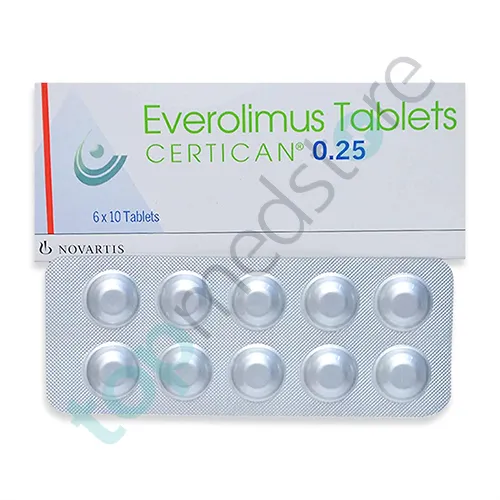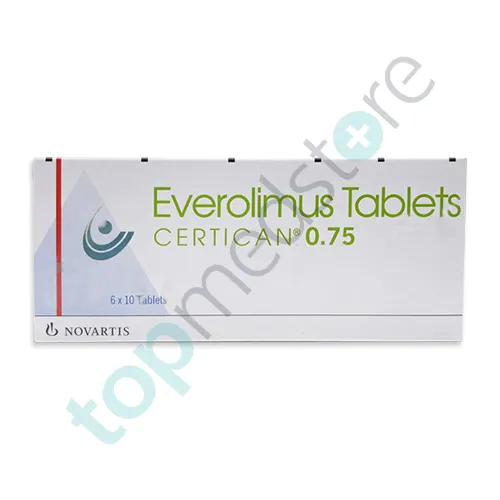
Everolimus 0.75mg
$304.40 – $996.40
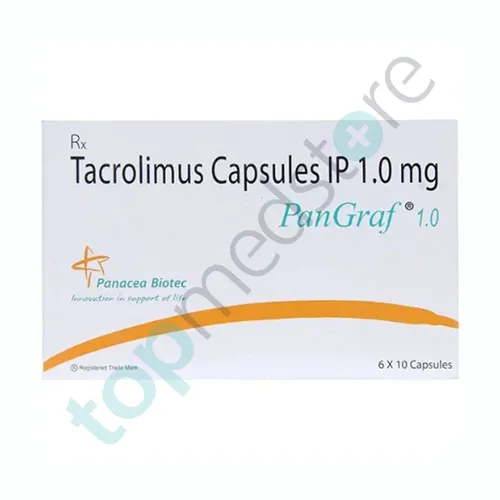
| Product name | Tacrolimus 1mg |
|---|---|
| Active Ingredient | Tacrolimus |
| Dosage | 1mg |
| Drug Type | Capsules |
| Indication | Organ Transplant Rejection Prevention |
| Manufacturer | Panacea biotec |
Total $80.40
Tacrolimus 1mg is an immunosuppressant medicine used to weaken the body’s immune response. Doctors commonly prescribe this medicine to help prevent organ rejection after an organ transplant such as a kidney, liver, or heart transplant.
The immune system normally protects the body from infections and harmful substances. After a transplant, the immune system may recognize the new organ as foreign and try to attack it. This process is called organ rejection. Tacrolimus helps reduce this immune attack and supports transplant survival.
Tacrolimus 1mg capsules are widely used in transplant medicine. Transplant specialists and nephrologists carefully monitor patients using this medicine because correct dosing is very important.
In some cases, Tacrolimus may also be used for certain immune-related conditions depending on medical evaluation.
This medicine should only be used under strict medical supervision. Regular blood tests are often needed during treatment to monitor medicine levels and organ function.
After taking Tacrolimus 1mg, the medicine enters the bloodstream and affects the body’s immune system.
Tacrolimus reduces the activity of certain white blood cells called T-lymphocytes or T-cells. These immune cells play an important role in attacking foreign tissues inside the body.
By lowering T-cell activity, the medicine helps stop the immune system from damaging the transplanted organ.
This action helps protect the new organ and supports long-term transplant function.
Tacrolimus may also help reduce inflammation caused by excessive immune activity in some conditions.
Because the medicine weakens immune defenses, patients using Tacrolimus may become more vulnerable to infections. Doctors usually monitor patients closely during treatment.
Tacrolimus 1mg is mainly used to help prevent organ transplant rejection.
Doctors commonly prescribe this medicine after kidney transplant, liver transplant, or heart transplant procedures.
The medicine helps the immune system accept the transplanted organ and lowers the risk of immune attack against the new tissue.
Some specialists may also prescribe Tacrolimus for certain autoimmune disorders or immune-related conditions where the immune system becomes overactive.
Tacrolimus is often used together with other transplant medicines as part of a complete immunosuppressive treatment plan.
Patients taking this medicine usually require regular medical follow-up, blood tests, and monitoring of kidney function, liver function, and Tacrolimus blood levels.
Patients with infections, kidney disease, liver problems, or uncontrolled diabetes should inform their doctor before starting treatment.
Tacrolimus works by blocking certain immune signals inside white blood cells.
The medicine reduces the production of immune-related substances that activate T-cells. As a result, the immune system becomes less aggressive toward the transplanted organ.
This helps reduce inflammation and lowers the risk of organ rejection.
Tacrolimus mainly affects immune system activity rather than directly treating pain or infection.
The medicine requires careful dose adjustment because very high or very low levels may cause serious complications.
Doctors often perform regular blood monitoring to maintain safe medicine levels in the body.
Patients should take the medicine exactly as prescribed and avoid missing doses because inconsistent use may increase the risk of transplant rejection.
Like all medicines, Tacrolimus 1mg may cause side effects in some patients.
Common side effects include headache, nausea, diarrhea, stomach discomfort, tremors, weakness, or increased blood pressure.
Some patients may develop high blood sugar, kidney problems, sleep problems, or increased sensitivity to infections during treatment.
Because the immune system becomes weaker, infections may occur more easily. Fever, sore throat, cough, or unusual tiredness should be reported to a doctor.
Rare but serious side effects may include severe kidney damage, nervous system problems, seizures, or serious infections.
Long-term use may also increase the risk of certain cancers linked with immune suppression.
Patients should avoid taking new medicines or herbal supplements without medical advice because many medicines can affect Tacrolimus levels in the body.
This content is for educational purposes only. It does not replace medical advice, diagnosis, or treatment. Always consult a transplant specialist, nephrologist, or healthcare professional before using Tacrolimus 1mg. Use this medicine only as prescribed and attend regular medical monitoring during treatment.
$304.40 – $996.40
$101.50 – $332.40
$115.50 – $378.00
$205.00 – $670.00