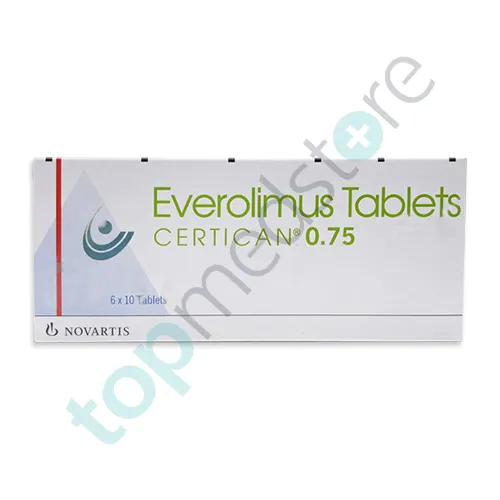
Everolimus 0.75mg
$304.40 – $996.40
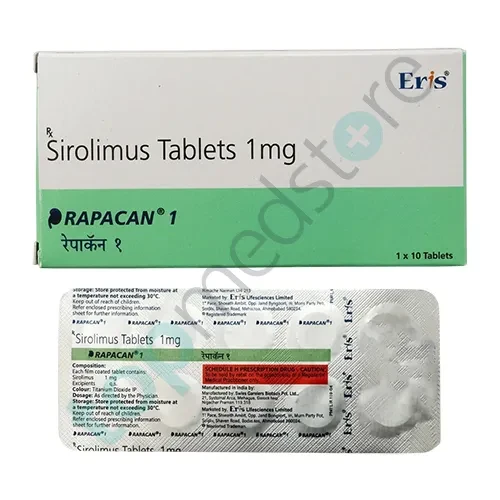
Sirolimus is a strong prescription medicine used to prevent organ transplant rejection. A transplant surgeon or nephrologist usually prescribes this medicine. A nephrologist is a doctor who treats kidney-related conditions.
After an organ transplant, the body may treat the new organ as a foreign object. The immune system may try to attack it. This is called organ rejection.
Sirolimus helps prevent this reaction and protects the transplanted organ.
It is also studied and used in some special medical conditions where the immune system needs to be controlled.
The medicine is available as tablets or oral solution and must be taken exactly as prescribed.
Sirolimus works by slowing down the immune system.
The immune system normally protects the body from infections. But after a transplant, it may attack the new organ.
Sirolimus blocks a protein in immune cells that is needed for cell growth and activation. When this protein is blocked, immune cells become less active.
This reduces the chance of the body attacking the transplanted organ.
Because the immune system becomes weaker, the body becomes more sensitive to infections. This is why careful monitoring is important during treatment.
Doctors regularly check blood levels to ensure the medicine stays within a safe range.
Doctors mainly use Sirolimus to prevent rejection after kidney transplant and other organ transplants.
It is used in patients whose immune system may damage the transplanted organ.
In some cases, it is used in combination with other immune-suppressing medicines for better protection.
Doctors may also use Sirolimus in certain rare conditions where abnormal cell growth needs to be controlled.
It is sometimes used in specialized treatment plans under strict medical supervision.
Long-term use requires regular medical follow-up to monitor organ function and immune response.
Sirolimus works by reducing immune system activity at a cellular level.
It blocks a protein called mTOR. This protein helps immune cells grow and multiply.
When mTOR is blocked, immune cells become less active and produce fewer signals that can attack the transplanted organ.
This helps the body accept the new organ more safely.
The medicine does not cure the disease but helps maintain long-term transplant stability.
Doctors adjust the dose carefully because too much suppression can increase infection risk, while too little may cause rejection.
Regular blood tests help ensure the right balance.
Like all medicines, Sirolimus may cause side effects, and careful monitoring is needed during treatment.
Some people may experience mouth ulcers, which are small painful sores inside the mouth.
Others may develop nausea, diarrhea, headache, or mild swelling in the body.
Sirolimus may increase cholesterol and triglyceride levels in the blood. This may require diet control or additional treatment.
Because it lowers immune activity, the body may become more prone to infections like colds, fever, or fungal infections.
Rarely, serious side effects such as lung problems, severe infection, or delayed wound healing may occur.
Patients should contact a doctor immediately if they develop breathing difficulty, persistent fever, or unusual swelling.
This content is for informational purposes only and does not replace professional medical advice, diagnosis, or treatment. Always consult a transplant surgeon, nephrologist, or healthcare professional before starting or changing Sirolimus treatment. Use this medicine only as prescribed and attend regular follow-ups for safe monitoring.
| Product name | Sirolimus |
|---|---|
| Category | Transplant & Immune-Suppressing Medicines |
| Shipping offer | Free shipping on orders of $110.00 or more |
$304.40 – $996.40
$101.50 – $332.40
$115.50 – $378.00
$205.00 – $670.00