Agomelatine 25mg
$80.10 – $261.60
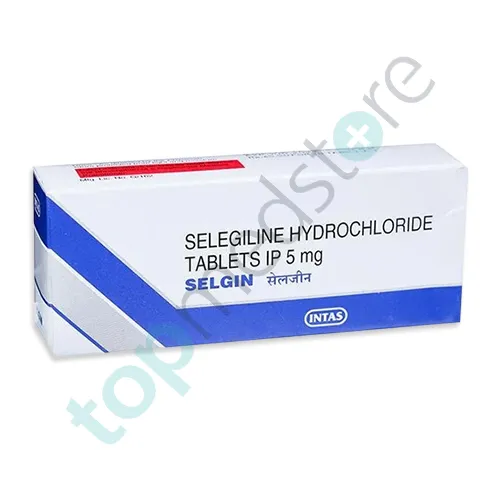
Selegiline is a prescription medicine mainly used to treat Parkinson’s disease and sometimes depression. Parkinson’s disease is a brain condition where a person has problems with movement, such as tremors (shaking), stiffness, slow movements, and difficulty balancing.
Doctors prescribe Selegiline tablets to improve movement control and reduce symptoms caused by low dopamine levels in the brain.
A neurologist (brain and nerve specialist) usually prescribes this medicine for Parkinson’s disease. In some cases, a psychiatrist may use it for depression when other treatments are not effective.
Selegiline belongs to a group called MAO-B inhibitors.
An MAO-B inhibitor is a medicine that increases dopamine levels in the brain by slowing its breakdown.
Selegiline works by increasing the level of a brain chemical called dopamine.
Dopamine helps control movement, coordination, motivation, and mood.
In Parkinson’s disease, dopamine levels become low because brain cells that produce dopamine are damaged.
Selegiline blocks an enzyme called monoamine oxidase-B (MAO-B). This enzyme normally breaks down dopamine.
When MAO-B is blocked, dopamine stays active for a longer time in the brain.
As dopamine levels increase, symptoms like tremors, muscle stiffness, slow movement, and poor coordination gradually improve.
In depression, higher dopamine levels may help improve mood, energy, and motivation.
Doctors mainly use Selegiline for Parkinson’s disease.
It helps reduce early symptoms such as tremors, stiffness, and slow movement.
A neurologist may also prescribe it as part of combination therapy with other Parkinson’s medicines to improve overall control of symptoms.
In some cases, Selegiline is used for depression, especially when other antidepressant medicines do not provide enough improvement.
It is not used for normal tiredness, mild mood changes, or everyday stress. It is used only for diagnosed medical conditions.
Selegiline works by increasing dopamine levels in the brain.
It blocks the MAO-B enzyme, which is responsible for breaking down dopamine.
When this enzyme is blocked, dopamine remains active for a longer time.
Dopamine is important for smooth muscle movement and brain coordination.
As dopamine increases, movement becomes smoother and symptoms like stiffness and tremors reduce.
In depression, increased dopamine may also help improve energy, focus, and motivation.
Doctors may adjust the dose carefully depending on response and symptoms.
Like all medicines, Selegiline may cause side effects. Most are mild and manageable.
Common side effects include nausea, dizziness, dry mouth, sleep problems, and headache.
Nausea means feeling like vomiting.
Dizziness means feeling lightheaded or unsteady.
Dry mouth means reduced saliva in the mouth.
Some people may also feel restlessness, confusion, or mild stomach upset.
Rare but serious side effects include high blood pressure, severe headache, or unusual mood changes.
Patients should avoid changing dose without a doctor’s advice.
A neurologist or psychiatrist should supervise treatment to ensure safe use.
This content is for educational purposes only. It does not replace professional medical advice. Always consult a neurologist or psychiatrist before using Selegiline. Use this medicine only under proper medical supervision.
| Product name | Selegiline |
|---|---|
| Category | Parkinson's Disease Medicines |
| Shipping offer | Free shipping on orders of $110.00 or more |
$80.10 – $261.60
$73.00 – $240.00
$39.00 – $128.00
$50.40 – $165.60