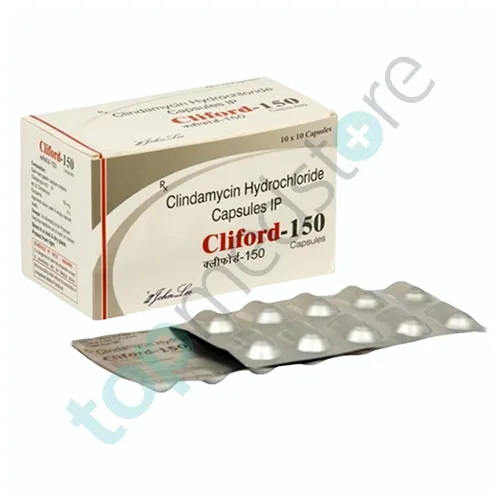
Clindamycin 150mg Capsules
$69.60 – $227.20
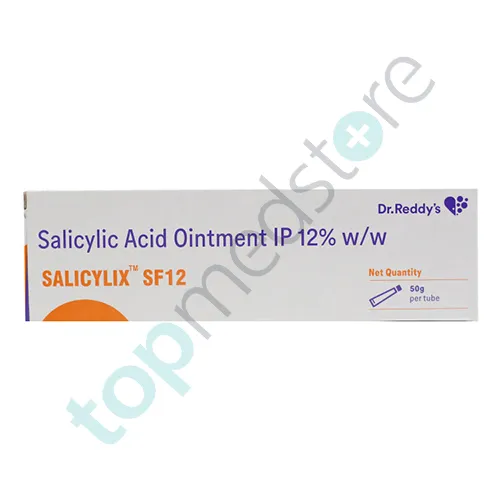
| Product name | Salicylic Acid 12% Ointment 50gms |
|---|---|
| Active Ingredient | Salicylic Acid |
| Dosage | 12%-50gms |
| Drug Type | Tubes |
| Indication | Psoriasis |
| Manufacturer | Dr.Reddy's |
Total $75.80
Salicylic Acid 12% Ointment (50g) is a topical skin treatment used to remove thick, rough, and scaly skin layers. It is commonly prescribed by a dermatologist for conditions where the skin becomes hardened, flaky, or excessively built up.
This medicine contains salicylic acid, which is known as a keratolytic agent. A keratolytic agent means it helps break down and shed the outer layer of dead skin cells.
This 12% strength is considered strong, so it is usually used for thick skin conditions rather than mild problems.
In simple words, this ointment helps soften, loosen, and remove dead skin so healthier skin can appear underneath.
In some skin conditions, the outer layer of the skin (called keratin, a protein that forms the skin surface) builds up more than normal. This leads to thick, dry, scaly, or rough patches.
This buildup can block pores, cause irritation, and make the skin look uneven.
Salicylic acid works by breaking down this keratin layer. It loosens the bonds between dead skin cells so they can shed more easily.
As the outer layer is removed, the skin becomes softer, smoother, and less thickened.
It also helps open up clogged pores, which can improve skin texture.
In simple terms, this medicine removes the extra dead skin layer so the skin can heal and look normal again.
Salicylic Acid 12% Ointment is mainly used for thick and scaly skin conditions.
It is commonly prescribed for psoriasis, where the skin forms thick, silvery scales.
It is also used for hyperkeratosis, which means excessive thickening of the skin.
This ointment is helpful in treating corns and calluses, which are hard skin areas caused by pressure or friction.
It may also be used for warts, where the skin grows abnormally in small rough areas.
In some cases, it is used to improve rough or cracked skin, especially on the feet.
In real-life treatment, dermatologists use this ointment when removal of thick, dead skin is necessary for proper healing.
Salicylic acid works by softening and dissolving the outer layer of the skin.
It breaks down the keratin protein, which holds dead skin cells together.
As these bonds weaken, the dead skin starts to peel off gradually.
This process helps reduce thickness, smooth the skin surface, and improve overall appearance.
It also allows other treatments, if used, to penetrate the skin more effectively.
In simple words, this medicine loosens and removes dead skin so new skin can come through.
Most people tolerate this ointment well when used correctly.
Some may experience mild burning or stinging when applying it.
There may be redness or irritation, especially on sensitive skin.
In some cases, peeling or dryness may occur as the dead skin is removed.
If used in large amounts or on broken skin, it may cause increased irritation or sensitivity.
Rarely, excessive absorption may lead to side effects in the body, especially if used over large areas.
These effects are usually mild and improve with proper use.
Salicylic Acid 12% Ointment should be used under the guidance of a dermatologist, especially because of its higher strength.
Apply a thin layer only on the affected area as prescribed.
Avoid applying it on healthy skin, open wounds, or sensitive areas unless advised.
Do not use it over large areas of the body for a long time.
Wash your hands after application unless treating the hands.
Avoid contact with eyes, mouth, and mucous membranes.
This medicine works best when used carefully and consistently for the recommended duration.
This content is for informational purposes only and does not replace medical advice, diagnosis, or treatment. Always consult your dermatologist before starting or changing any medicine.
$69.60 – $227.20
$37.00 – $120.80
$118.95 – $389.28
$65.00 – $212.00