Rifaximin 200mg
$207.00 – $680.00
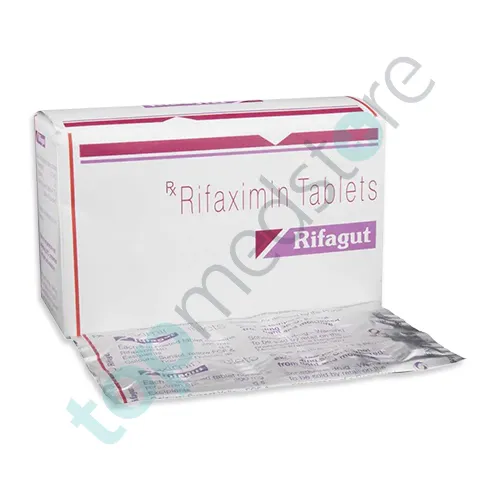
Rifaximin is a prescription antibiotic medicine used mainly for intestinal (gut) infections and some digestive problems linked with harmful bacteria. A gastroenterologist or physician may prescribe it when bacteria in the intestines cause diarrhea, gas, bloating, or stomach discomfort.
The intestines normally contain both good and bad bacteria. When this balance is disturbed, harmful bacteria can grow and affect digestion. This can lead to loose stools, cramps, and poor gut function.
Rifaximin belongs to the rifamycin group of antibiotics. It works mainly inside the gut and is only minimally absorbed into the bloodstream. Because of this, it acts directly on intestinal bacteria with focused action.
It is commonly used in both short-term infections and long-term gut-related conditions where bacterial imbalance plays a role.
Rifaximin works by stopping bacteria from making the proteins they need to survive.
Inside bacteria, there is an enzyme called RNA polymerase. This enzyme helps bacteria copy their genetic material and produce essential proteins. Rifaximin blocks this enzyme.
When this process is blocked, bacteria cannot grow or multiply. Over time, their number reduces, and infection symptoms improve.
Since the medicine mainly stays in the intestines, it works directly at the site of infection without affecting most other organs. This targeted action helps reduce digestive symptoms with fewer body-wide effects.
A gastroenterologist may track improvements such as reduced diarrhea, less bloating, and improved stool consistency during treatment.
The medicine also helps restore a healthier balance of gut bacteria over time, supporting better digestion.
The main use of Rifaximin is the treatment of traveler’s diarrhea, which occurs due to eating or drinking contaminated food or water.
It is also used for irritable bowel syndrome with diarrhea (IBS-D). In this condition, abnormal gut bacteria activity contributes to frequent loose stools, gas, and abdominal discomfort.
Doctors prescribe it for small intestinal bacterial overgrowth (SIBO), a condition where excess bacteria grow in the small intestine and interfere with normal digestion and nutrient absorption.
In some patients with liver disease, Rifaximin is used to help prevent hepatic encephalopathy, a condition where toxins from the gut affect brain function. It works by reducing harmful bacteria that produce these toxins.
A gastroenterologist selects the use based on symptoms, medical history, and diagnostic findings.
It is not used for viral infections or general stomach upset without confirmed bacterial involvement.
Rifaximin works by targeting bacterial growth inside the intestines.
It binds to the bacterial enzyme DNA-dependent RNA polymerase, which is essential for producing RNA. RNA is needed for building proteins that bacteria need to survive and multiply.
When this enzyme is blocked, bacteria cannot produce proteins, so they lose the ability to grow and spread. Gradually, their population decreases, helping the gut recover.
Because Rifaximin remains mostly in the digestive tract, it acts locally in the intestines and has limited effects on other parts of the body. This makes it useful for gut-specific bacterial problems.
It also helps improve the balance of gut flora by reducing harmful bacteria while allowing beneficial bacteria to stabilize.
A gastroenterologist may evaluate symptom relief during treatment to confirm improvement in gut health.
Rifaximin is generally well tolerated, but some side effects may still occur.
Common side effects include nausea, stomach discomfort, gas, bloating, and mild headache. These symptoms are usually temporary and improve as the body adjusts.
Some people may notice changes in bowel habits, such as mild constipation or diarrhea during treatment.
Rarely, allergic reactions like skin rash, itching, or swelling can occur. Medical attention is needed if these symptoms appear.
In very rare cases, severe or persistent diarrhea may indicate another condition and should be evaluated by a doctor.
A gastroenterologist may monitor patients with chronic digestive conditions to ensure safe and effective treatment.
It is important to complete the full prescribed course to prevent recurrence of infection.
This content is for educational purposes only and does not replace professional medical advice, diagnosis, or treatment. Rifaximin should only be used under the supervision of a qualified gastroenterologist or healthcare professional. Always follow your doctor’s instructions and complete the prescribed course for safe and effective digestive health management.
| Product name | Rifaximin |
|---|---|
| Category | Liver Health Medicines |
| Shipping offer | Free shipping on orders of $110.00 or more |
$207.00 – $680.00
$83.10 – $211.20
$142.00 – $464.00
$58.50 – $147.60