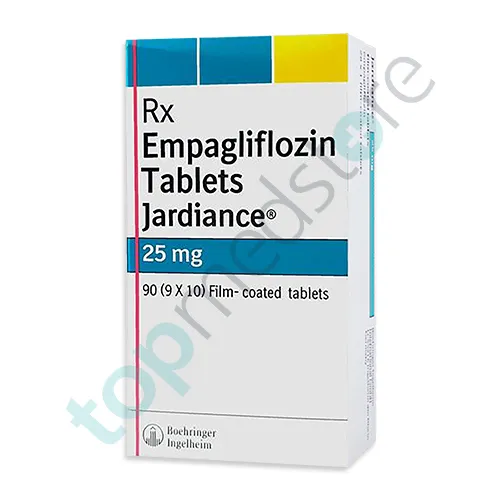
Empagliflozin 25mg
$165.00 – $420.00
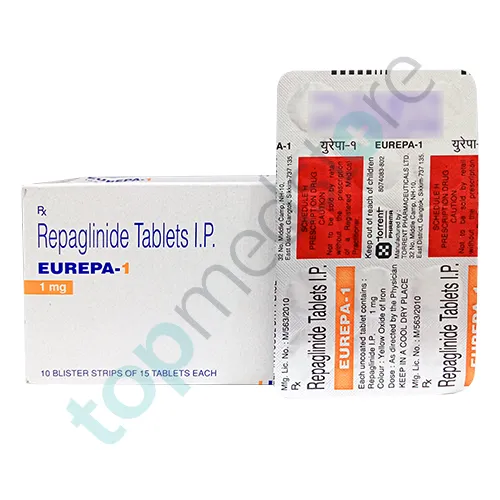
| Product name | Repaglinide 1mg |
|---|---|
| Active Ingredient | Repaglinide |
| Dosage | 1mg |
| Drug Type | Tablets |
| Indication | Type 2 Diabetes |
| Manufacturer | Torrent Pharmaceuticals Ltd |
Total $47.70
Repaglinide 1mg is a prescription anti-diabetic medicine used for type 2 diabetes mellitus (a long-term condition where blood sugar levels stay high because the body does not use insulin properly or does not produce enough insulin). A diabetologist or endocrinologist (diabetes specialist) may prescribe this medicine as part of a blood sugar control treatment plan.
This medicine helps manage post-meal blood sugar levels (blood sugar that rises after eating). It is used along with diet control, regular exercise, and lifestyle changes for better glycemic control (keeping blood glucose in a healthy range).
Blood sugar is controlled by a hormone called insulin (a natural hormone made by the pancreas that helps move sugar from the blood into body cells for energy).
In type 2 diabetes, the pancreas does not release enough insulin at the right time, especially after meals. This leads to high blood sugar levels after eating.
Repaglinide 1mg helps the pancreas release insulin quickly after food intake. It acts on the beta cells of the pancreas (insulin-producing cells) and stimulates them to release insulin in response to meals.
This helps reduce postprandial glucose spikes (sudden rise in blood sugar after eating) and supports better daily sugar control.
Repaglinide 1mg is mainly used for type 2 diabetes management in adults.
It helps control blood sugar levels after meals, which is an important part of overall diabetes control and prevention of complications.
It is useful for patients who need flexible meal-time sugar control, especially when diet alone is not enough to manage post-meal glucose levels.
It is always used as part of a complete diabetes care program, which includes healthy eating habits, physical activity, and regular blood sugar monitoring.
Repaglinide 1mg works by stimulating the pancreas to release insulin quickly.
After you eat, blood sugar rises. Repaglinide acts on the pancreas and helps the beta cells release insulin in a fast and short burst.
This insulin helps move glucose (sugar) from the blood into body cells, where it is used for energy.
Because of this action, the medicine mainly controls after-meal blood sugar levels rather than long-term fasting sugar.
Its effect starts quickly and lasts for a short time, which helps match insulin release with meal intake.
Repaglinide 1mg may cause side effects, especially when blood sugar drops too low or meals are not taken on time.
The most common side effect is hypoglycemia (low blood sugar). This can cause sweating, dizziness, shakiness, hunger, headache, or confusion. It usually happens if the medicine is taken but food is delayed or skipped.
Some people may experience mild stomach discomfort, nausea, or headache during early use.
In rare cases, weight gain may occur due to improved insulin activity and changes in how the body uses glucose.
Serious side effects are uncommon but require medical attention if symptoms of severe low blood sugar appear.
Take Repaglinide 1mg exactly as prescribed by your diabetologist or endocrinologist (diabetes specialist). It is usually taken just before meals, so timing is very important.
Do not skip meals after taking this medicine, as it may increase the risk of low blood sugar.
Monitor blood sugar regularly to understand how your body responds to treatment.
Inform your doctor if you have liver problems or are taking other diabetes medicines, as dose adjustment may be needed.
Be careful while driving or doing tasks that require alertness, especially if you experience symptoms of low blood sugar.
This medicine works best when combined with a healthy diet, regular exercise, and proper diabetes management.
This content is for educational purposes only and does not replace professional medical advice. Always consult a diabetologist or endocrinologist (diabetes specialist) before starting or stopping Repaglinide 1mg.
$165.00 – $420.00
$77.00 – $252.00
$70.00 – $229.60
$60.20 – $197.12