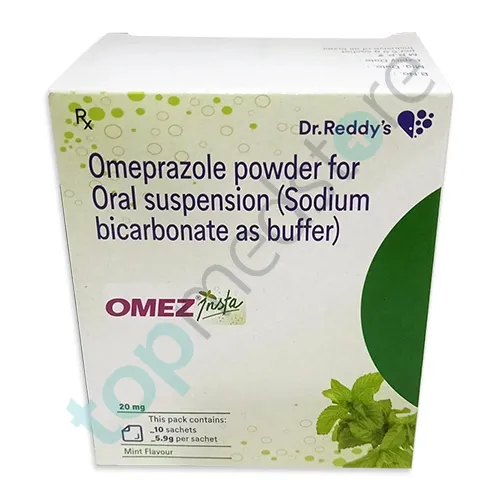
Omeprazole-Sodium Bicarbonate 20mg-5.9g
$37.40 – $122.40
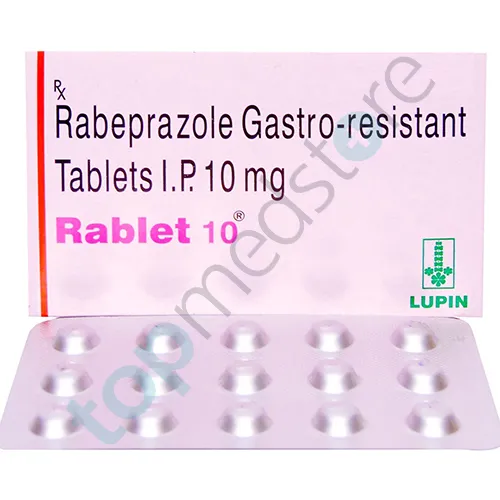
| Product name | Rabeprazole Sodium-10mg |
|---|---|
| Active Ingredient | Rabeprazole Sodium |
| Dosage | 10mg |
| Drug Type | Tablets |
| Indication | Gastroesophageal Reflux Disease |
| Manufacturer | Lupin Ltd |
Total $45.90
A burning sensation in the chest after meals, frequent acidity, or a sour taste in the mouth often signals that stomach acid is higher than normal. Rabeprazole Sodium 10mg tablet helps control this acid production and provides long-lasting relief from acid-related discomfort. It belongs to a class of medicines called proton pump inhibitors (PPIs), which are widely used in digestive care.
This medicine is commonly prescribed for conditions like acid reflux (GERD – gastroesophageal reflux disease), gastritis, and peptic ulcers. These conditions develop when excess stomach acid irritates the stomach lining or flows back into the food pipe, causing inflammation and discomfort. A gastroenterologist usually prescribes this medicine when acid symptoms become frequent or persistent.
People with high stomach acidity often experience heartburn, upper abdominal burning, bloating, or discomfort after eating spicy or heavy meals. In some cases, symptoms may worsen at night or when lying down.
Rabeprazole Sodium 10mg tablet works by reducing acid at its source, allowing the stomach lining and food pipe to heal gradually and naturally.
Doctors prescribe Rabeprazole Sodium 10mg tablet for managing a wide range of acid-related digestive conditions that affect daily comfort and eating habits.
One of the most common uses is in gastroesophageal reflux disease (GERD). In this condition, stomach acid flows back into the esophagus, causing burning chest pain and irritation. This medicine helps reduce that acid flow and prevents further damage.
It is also used in gastritis, where the stomach lining becomes inflamed due to excess acid, infection, or regular use of painkillers. Reducing acid helps the stomach lining heal and reduces pain.
Doctors also prescribe it for peptic ulcer disease, where open sores form in the stomach or upper intestine. Lowering acid levels supports faster healing and reduces the risk of worsening ulcers.
In some treatment plans, it is used along with antibiotics to treat H. pylori infection, a bacteria linked with ulcers and chronic stomach inflammation.
With regular use, patients often notice reduced acidity, better digestion, and fewer flare-ups of stomach discomfort.
Rabeprazole works by blocking the proton pump (H⁺/K⁺ ATPase enzyme) present in the stomach lining. This enzyme is responsible for producing gastric acid.
In simple terms, Rabeprazole Sodium 10mg tablet reduces the amount of acid the stomach produces throughout the day.
When acid levels drop, irritation in the food pipe decreases and the stomach lining gets time to heal. This also reduces symptoms like burning, discomfort, and acid regurgitation.
By controlling acid at its source, it helps provide both quick symptom relief and long-term protection from acid damage.
Most patients tolerate Rabeprazole Sodium 10mg tablet well, but some mild side effects may appear during the initial phase of treatment.
Common effects include headache, nausea, stomach discomfort, and sometimes mild constipation or diarrhea. These effects are usually temporary and improve as the body adjusts.
Some patients may also experience bloating, gas, or a feeling of fullness after meals.
With long-term use, there is a small risk of vitamin B12 deficiency, low magnesium levels, or reduced calcium absorption, which may affect bone strength in rare cases.
Serious side effects are uncommon but may include allergic reactions or persistent stomach pain. Medical attention should be taken if symptoms do not improve.
Doctors advise taking Rabeprazole Sodium 10mg tablet exactly as prescribed, usually before meals for best results. Consistency helps maintain stable acid control.
Long-term use should only be continued under medical supervision to avoid nutrient absorption issues.
Patients with liver problems should inform their doctor, as dose adjustments may sometimes be required.
Lifestyle changes such as avoiding spicy food, oily meals, alcohol, and caffeine can improve results and reduce acid triggers.
A gastroenterologist may monitor your condition and adjust treatment based on symptom control and response.
Always buy Rabeprazole Sodium 10mg tablet from trusted pharmacy sources to ensure safety, correct formulation, and effectiveness.
This content is for informational purposes only. Rabeprazole Sodium 10mg tablet should be used only under the supervision of a qualified gastroenterologist or healthcare professional. Do not start, stop, or change the dose without medical advice.
$37.40 – $122.40
$32.70 – $106.80
$29.70 – $97.20
$30.60 – $99.60