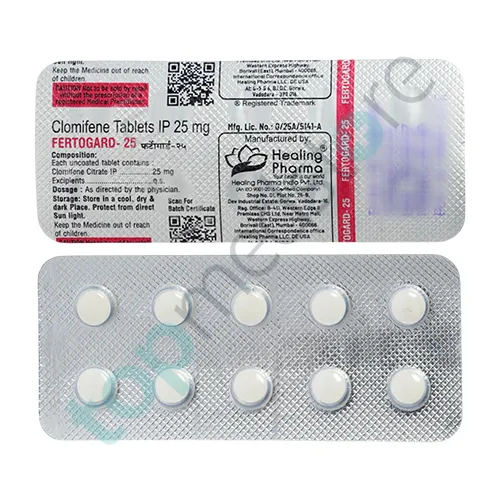
Clomifene/Clomiphene 100mg
$150.50 – $494.00

Progesterone is a natural female hormone that plays an important role in the menstrual cycle and pregnancy. A gynecologist may prescribe progesterone medicine when the body does not produce enough of this hormone on its own.
This medicine is also used in tablet, capsule, or vaginal form depending on the medical need. It helps support reproductive health and balance female hormones.
Progesterone is often used in women who have irregular periods, missed periods, infertility issues, or early pregnancy support needs. It is also used in hormone therapy in some cases.
Hormones are natural chemical messengers in the body. They control many functions like menstruation, pregnancy, mood, and body changes.
When progesterone levels are low, a woman may face problems such as irregular bleeding, difficulty in maintaining pregnancy, or hormonal imbalance symptoms.
Doctors carefully decide the dose and form of progesterone based on the patient’s condition and medical history.
Progesterone works by supporting the natural hormone balance in a woman’s body.
During the menstrual cycle, progesterone prepares the uterus for pregnancy. It helps thicken and stabilize the inner lining of the uterus, called the endometrium.
If pregnancy does not occur, progesterone levels drop and menstruation begins. If pregnancy occurs, progesterone helps maintain the uterine lining so the pregnancy can continue safely.
This medicine acts like natural progesterone and helps maintain these functions when the body cannot produce enough on its own.
Progesterone also helps control irregular bleeding by stabilizing the uterus lining.
In early pregnancy, it may reduce the risk of miscarriage in women with low hormone levels, under medical supervision.
A gynecologist may monitor hormone levels and adjust treatment based on response and symptoms.
The main use of Progesterone is to treat hormone imbalance in women.
It is commonly used for irregular menstrual cycles. Some women may have delayed, missed, or unpredictable periods, and progesterone helps regulate the cycle.
The medicine is also used for infertility treatment support. It helps prepare the uterus for pregnancy and supports early pregnancy in assisted reproduction treatments.
Doctors may prescribe progesterone for threatened miscarriage in women with low hormone levels.
It is also used to treat abnormal uterine bleeding, where bleeding is too heavy, too frequent, or irregular.
In some cases, progesterone is used in hormone replacement therapy (HRT) to balance estrogen effects in women during menopause.
Menopause is the natural phase when periods stop permanently, and hormone levels change in the body.
A gynecologist carefully evaluates each case before prescribing progesterone because hormone therapy needs proper monitoring.
Progesterone works by acting like the body’s natural hormone.
It stabilizes the lining of the uterus and helps control the menstrual cycle. When hormone levels are balanced, periods become more regular.
In early pregnancy, progesterone supports the uterus so that the fertilized egg can stay attached and grow safely.
The medicine also reduces excessive uterine contractions, which helps protect early pregnancy in some cases.
Progesterone may be given for a specific number of days each month or continuously depending on the treatment plan.
Doctors may choose oral tablets, vaginal capsules, or injections depending on how the body responds.
Patients should take the medicine exactly as prescribed. Missing doses may reduce its effectiveness.
Some medicines may interact with progesterone, including certain hormonal drugs and seizure medicines.
Like all medicines, Progesterone may cause side effects. Many are mild and temporary.
Common side effects include sleepiness, dizziness, headache, breast tenderness, mood changes, and bloating.
Some women may feel tired or notice mild weight changes due to fluid retention.
Irregular bleeding or spotting may happen in the first few weeks of treatment.
Rare but serious side effects include severe headache, vision changes, chest pain, or signs of blood clots.
Patients with liver disease, heart disease, or clotting disorders may need extra monitoring.
Some women may feel emotional changes such as mood swings or mild depression during treatment.
A gynecologist may adjust the dose or treatment plan if side effects become uncomfortable or persistent.
This content is for educational purposes only and does not replace medical advice, diagnosis, or treatment. Progesterone should only be used under the supervision of a qualified gynecologist or healthcare professional. Always follow your doctor’s instructions regarding hormone therapy, dosage, and reproductive health management.
| Product name | Progesterone |
|---|---|
| Category | Hormone Replacement Therapy |
| Shipping offer | Free shipping on orders of $110.00 or more |
$150.50 – $494.00
$48.00 – $156.00
$55.00 – $180.00
$183.00 – $600.00