
Pilocarpine 5mg
$54.50 – $178.00
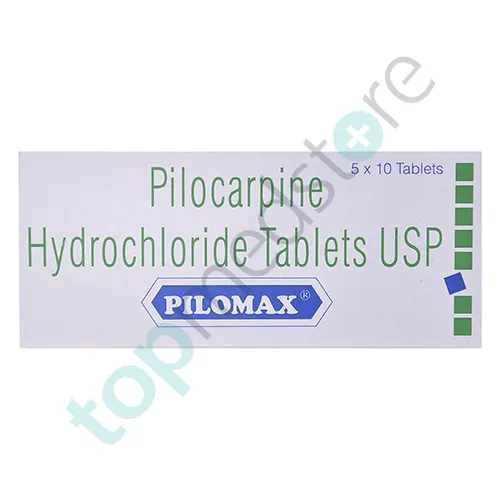
Pilocarpine is a prescription medicine used mainly to treat dry mouth (xerostomia) and certain eye conditions like glaucoma. A ophthalmologist (eye specialist) or dentist may prescribe it depending on whether the problem is in the eyes or the mouth.
Dry mouth means the salivary glands do not produce enough saliva. Saliva is important because it helps in chewing, swallowing, digestion, and protecting teeth from decay. When saliva is low, the mouth feels dry, sticky, and uncomfortable.
Pilocarpine belongs to a group of medicines called cholinergic agents. These medicines activate certain nerves in the body that help stimulate secretions like saliva and tears. In simple words, Pilocarpine helps the body produce more natural fluids.
It is available in tablet form for dry mouth and also as eye drops for glaucoma treatment. A doctor decides the form based on the condition and severity.
Pilocarpine works by stimulating special nerve receptors called muscarinic receptors. These receptors control glands in the body that produce fluids like saliva, sweat, and tears.
When these receptors are activated, the salivary glands start producing more saliva. This helps reduce dryness in the mouth and makes speaking, chewing, and swallowing easier.
In the eyes, Pilocarpine helps reduce pressure inside the eyeball. It increases the drainage of fluid from the eye, which lowers intraocular pressure. High eye pressure is dangerous because it can damage the optic nerve and lead to vision loss.
By improving fluid flow in the eye, Pilocarpine helps protect vision in conditions like glaucoma, a disease where increased eye pressure slowly damages eyesight.
Because it increases gland activity throughout the body, some patients may also experience increased sweating. This is a known effect of the medicine.
A ophthalmologist or dentist may monitor response carefully to ensure the medicine is working properly without causing discomfort.
The main use of Pilocarpine is the treatment of dry mouth (xerostomia). This condition can occur due to aging, certain diseases, or side effects of medicines like antidepressants or chemotherapy drugs.
It helps improve saliva production, which makes it easier to speak, chew food, and maintain oral hygiene. Good saliva levels also help prevent tooth decay and gum problems.
Pilocarpine is also used in the treatment of glaucoma, especially open-angle glaucoma. In this condition, fluid pressure inside the eye increases and can damage the optic nerve. Pilocarpine helps lower this pressure by improving fluid drainage from the eye.
In some cases, it may be used after eye surgery or in other conditions where reducing eye pressure is important.
A ophthalmologist carefully decides when Pilocarpine eye drops are needed because it directly affects eye muscles and fluid flow.
It is not used for temporary dry mouth caused by mild dehydration. It is mainly for chronic or medically related dryness conditions.
Pilocarpine works by activating muscarinic receptors in glands and smooth muscles.
In the mouth, these receptors stimulate salivary glands to produce more saliva. This helps relieve dryness and improves oral comfort. Increased saliva also helps clean the mouth naturally by washing away food particles and bacteria.
In the eyes, Pilocarpine causes the muscles inside the eye to contract slightly. This opens drainage channels and allows excess fluid to leave the eye more easily. As a result, eye pressure decreases.
This reduction in eye pressure is important in glaucoma management, because high pressure can damage the optic nerve over time and lead to vision loss.
The medicine works relatively quickly, especially in eye drop form. Oral tablets may take longer to show full effects for dry mouth relief.
A ophthalmologist may adjust the dose based on eye pressure readings or symptom relief. Regular eye check-ups are important during treatment.
Patients should follow dosage instructions carefully, as excessive use can increase side effects like sweating or eye discomfort.
Like all medicines, Pilocarpine may cause side effects, although not everyone experiences them.
Common side effects include sweating, increased salivation, nausea, runny nose, dizziness, and mild stomach discomfort. These effects happen because the medicine increases gland activity in the body.
Eye drops may cause temporary blurred vision, eye irritation, or mild eye pain. Some patients may also find it difficult to see clearly in low light because the pupils become smaller.
Less common side effects include headache, increased urination, or fatigue.
In rare cases, excessive sweating or slow heartbeat may occur. If symptoms become severe, medical attention is needed.
Patients with asthma, heart disease, or stomach ulcers should use this medicine carefully under medical supervision, as it may worsen certain conditions.
A ophthalmologist or healthcare provider may monitor patients regularly to ensure safe use, especially during long-term treatment for glaucoma.
This content is for educational purposes only and does not replace professional medical advice, diagnosis, or treatment. Pilocarpine should only be used under the supervision of a qualified ophthalmologist, dentist, or healthcare professional. Always follow your doctor’s instructions and attend regular check-ups for safe and effective treatment.
| Product name | Pilocarpine |
|---|---|
| Category | Glaucoma Medicines |
| Shipping offer | Free shipping on orders of $110.00 or more |
$54.50 – $178.00