Prazosin ER 5mg
$88.20 – $288.00
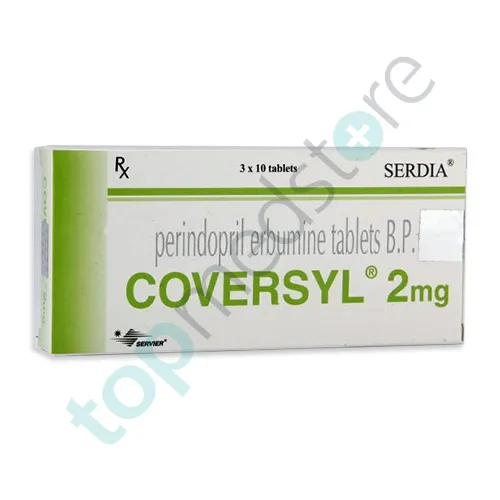
Perindopril Erbumine is a medicine used to treat high blood pressure and certain heart conditions. A cardiologist may prescribe this medicine to help lower blood pressure and protect the heart from long-term damage.
High blood pressure, also called hypertension, happens when blood pushes too strongly against blood vessel walls. Over time, this extra pressure can damage the heart, brain, kidneys, and blood vessels.
Many people with high blood pressure do not notice symptoms in the beginning. Even without symptoms, uncontrolled blood pressure can slowly increase the risk of heart attack, stroke, and kidney disease.
Perindopril Erbumine tablets belong to a group of medicines called ACE inhibitors. ACE stands for angiotensin-converting enzyme. These medicines help relax blood vessels and improve blood flow.
Doctors may also prescribe Perindopril Erbumine for patients with heart failure or other cardiovascular conditions. Cardiovascular means related to the heart and blood vessels.
The medicine is often part of long-term heart care along with exercise, healthy eating, lower salt intake, and weight management.
Perindopril Erbumine helps relax blood vessels and reduce pressure on the heart.
The body naturally produces a chemical called angiotensin II. This chemical causes blood vessels to become narrow and tight.
Perindopril blocks the formation of angiotensin II. As a result, blood vessels relax and become wider.
Relaxed blood vessels allow blood to move more easily through the body. This lowers blood pressure and reduces stress on the heart muscles.
The medicine may also help improve blood supply to important organs such as the kidneys and brain.
In patients with heart failure, Perindopril may help the heart pump blood more efficiently. Heart failure means the heart becomes weak and cannot pump blood properly.
A cardiologist may monitor blood pressure, kidney function, and potassium levels during treatment.
The main use of Perindopril Erbumine is the treatment of high blood pressure.
Lowering blood pressure helps reduce the risk of stroke, heart attack, kidney disease, and heart failure.
Doctors may also prescribe the medicine for patients with heart failure. Patients with heart failure may experience tiredness, swelling, or shortness of breath because the heart cannot pump blood efficiently.
Some patients receive Perindopril after a heart attack to help protect the heart and improve recovery.
The medicine may also help lower cardiovascular risk in people with heart disease or circulation problems.
Doctors sometimes combine Perindopril with other blood pressure medicines for better control.
Patients should continue taking the medicine regularly even if they feel healthy because blood pressure may rise again if treatment stops suddenly.
Perindopril Erbumine works by blocking the ACE enzyme in the body.
The ACE enzyme helps produce angiotensin II, which tightens blood vessels. When the enzyme is blocked, less angiotensin II is produced.
Lower angiotensin II levels keep blood vessels relaxed and open.
Relaxed blood vessels improve blood circulation and lower blood pressure.
The medicine also reduces strain on the heart, which may help improve heart function over time.
Doctors usually recommend taking the medicine at the same time each day for stable blood pressure control.
Some patients may notice improvement within a few days, but full benefits may take several weeks.
Patients should avoid missing doses because regular treatment is important for long-term heart protection.
Certain medicines and supplements may interact with Perindopril. Patients should inform their doctor about all medicines they use.
Like all medicines, Perindopril Erbumine can cause side effects. Many side effects are mild and improve over time.
Common side effects include dry cough, dizziness, headache, tiredness, and low blood pressure.
Some patients may feel lightheaded when standing up quickly because blood pressure becomes lower during treatment.
A dry cough is a known side effect of ACE inhibitors and may continue in some patients.
Rarely, the medicine may increase potassium levels in the blood. High potassium may cause weakness or irregular heartbeat.
Serious but uncommon side effects include swelling of the face, lips, or throat. This condition is called angioedema and requires emergency medical treatment.
Patients with kidney disease, liver disease, or severe dehydration may need closer monitoring during treatment.
A cardiologist may perform regular blood pressure checks and blood tests during long-term use.
This content is for educational purposes only and does not replace medical advice, diagnosis, or treatment. Perindopril Erbumine should only be used under the supervision of a qualified cardiologist or healthcare professional. Always follow your doctor’s instructions regarding dosage, monitoring, and blood pressure management.
| Product name | Perindopril Erbumine |
|---|---|
| Category | Blood Pressure Medicines |
| Shipping offer | Free shipping on orders of $110.00 or more |
$88.20 – $288.00
$87.00 – $284.00
$28.50 – $93.60
$39.90 – $130.80