Agomelatine 25mg
$80.10 – $261.60
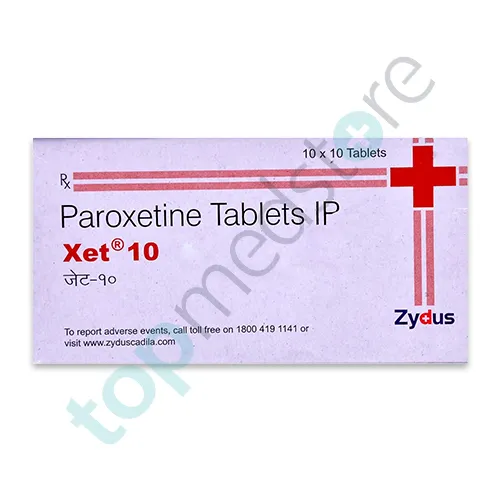
Paroxetine is a prescription antidepressant medicine used to treat depression, anxiety disorders, panic disorder, and obsessive-compulsive disorder (OCD). Depression is a condition where a person feels long-lasting sadness, low mood, low energy, and loss of interest in daily life. Anxiety is a condition where a person feels constant worry, fear, or nervousness without a clear reason.
Doctors prescribe Paroxetine tablets to improve mood, reduce anxiety, and help stabilize emotions over time.
A psychiatrist (mental health specialist) usually prescribes this medicine after understanding symptoms, sleep pattern, stress level, and overall mental health condition.
Paroxetine belongs to the SSRI (Selective Serotonin Reuptake Inhibitor) group.
An SSRI is a type of medicine that increases serotonin levels in the brain to improve mood and reduce anxiety symptoms.
Paroxetine works by increasing the level of a brain chemical called serotonin.
Serotonin plays an important role in mood, emotions, sleep, appetite, and anxiety control.
In depression and anxiety disorders, serotonin levels are often low or not balanced properly. This leads to sadness, worry, panic, irritability, and emotional instability.
Paroxetine blocks the brain from removing serotonin too quickly. This process is called serotonin reuptake inhibition.
When reuptake is blocked, more serotonin stays active in the brain for a longer time.
As serotonin levels increase, symptoms like low mood, sadness, anxiety, panic attacks, irritability, and negative thoughts gradually improve.
This medicine does not work immediately. It needs daily use for several weeks because the brain takes time to adjust and respond.
Doctors mainly use Paroxetine for major depressive disorder (MDD), where a person experiences long-term sadness, low energy, and loss of interest in life.
A psychiatrist also prescribes it for generalized anxiety disorder (GAD), where a person feels constant worry, overthinking, and tension.
It is widely used for panic disorder, where sudden episodes of intense fear occur along with fast heartbeat, sweating, shaking, and breathlessness.
It is also used for social anxiety disorder, where a person feels extreme fear or discomfort in social situations.
In some cases, it is prescribed for obsessive-compulsive disorder (OCD), where repeated unwanted thoughts and behaviors occur.
Paroxetine is not used for normal sadness or everyday stress. It is used only for clinically diagnosed mental health conditions.
Paroxetine works by improving serotonin activity in the brain.
In depression and anxiety, the brain removes serotonin too quickly. This reduces its calming and mood-stabilizing effect.
Paroxetine blocks this removal process, called serotonin reuptake inhibition.
Because of this, more serotonin remains active in the brain for a longer time.
Serotonin helps improve mood, reduce anxiety, control panic symptoms, and stabilize emotions.
Over time, it also supports better sleep, concentration, and daily functioning.
Patients usually notice improvement after a few weeks of regular use.
Doctors often advise taking it at the same time every day for best results.
Like all medicines, Paroxetine may cause side effects. Most are mild and improve with time.
Common side effects include nausea, headache, dizziness, dry mouth, sleep problems, and sweating.
Nausea means feeling like vomiting or stomach discomfort.
Dizziness means feeling lightheaded or unsteady.
Dry mouth means reduced saliva in the mouth.
Some people may also feel tired, restless, or notice changes in appetite or sleep.
Rare but serious side effects include severe mood changes, agitation, irregular heartbeat, or worsening depression.
Patients should contact a doctor immediately if they notice suicidal thoughts, extreme restlessness, or unusual behavior changes.
A psychiatrist should supervise treatment and adjust dosage when needed for safety.
This content is for educational purposes only. It does not replace professional medical advice. Always consult a psychiatrist or qualified doctor before using Paroxetine. Use this medicine only under proper medical supervision.
| Product name | Paroxetine |
|---|---|
| Category | Depression Medicines |
| Shipping offer | Free shipping on orders of $110.00 or more |
$80.10 – $261.60
$73.00 – $240.00
$39.00 – $128.00
$50.40 – $165.60