Orlistat 120mg
$45.00 – $147.60
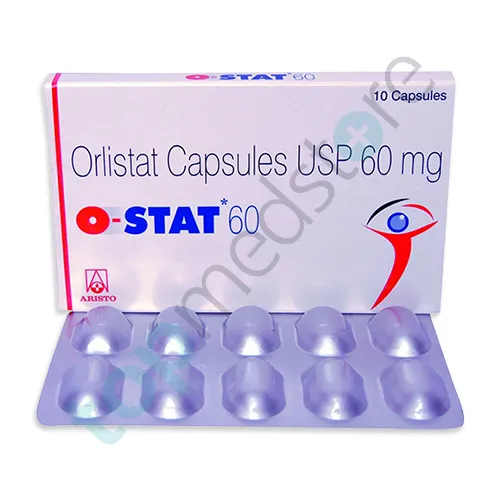
Orlistat is a medicine used to help with weight loss and weight management. Doctors usually recommend this medicine along with a healthy diet and regular exercise. An endocrinologist or general doctor may prescribe Orlistat. An endocrinologist is a doctor who treats hormone and metabolism-related conditions.
Orlistat helps reduce the amount of fat the body absorbs from food. This may help overweight or obese people lose weight more effectively.
Doctors often prescribe Orlistat for people with obesity or people who have weight-related health problems such as high blood pressure, type 2 diabetes, or high cholesterol.
Obesity means excessive body fat that may increase the risk of serious health problems.
Orlistat is available as capsules and is usually taken with meals that contain fat.
The medicine works best when patients follow a low-fat diet and stay physically active. Orlistat alone may not give the best results without healthy lifestyle changes.
Orlistat works inside the digestive system and blocks part of the fat from food.
The body normally uses enzymes called lipases to break down fat during digestion. Enzymes are proteins that help chemical reactions happen in the body.
Orlistat blocks these lipase enzymes. When the enzymes cannot break down fat properly, the body absorbs less fat from food.
The unabsorbed fat leaves the body through bowel movements.
By reducing fat absorption, Orlistat lowers calorie intake. Lower calorie intake may help people lose weight gradually.
The medicine mainly works inside the stomach and intestines. It does not directly affect the brain or reduce appetite.
Doctors often recommend combining Orlistat with calorie control, exercise, and healthy eating habits for better long-term results.
Doctors mainly prescribe Orlistat for weight loss and long-term weight management.
The medicine is commonly used for people with:
Orlistat may help lower the risk of health problems linked to excess body weight.
Doctors may also recommend the medicine for people who struggle to lose weight through diet and exercise alone.
Some patients use Orlistat to help prevent weight regain after successful weight loss.
Weight reduction may improve blood sugar levels, cholesterol levels, blood pressure, and overall physical health.
Patients usually see better results when they follow a balanced low-fat diet during treatment.
Orlistat works by blocking fat digestion in the stomach and intestines.
After eating fatty foods, the body normally breaks fat into smaller particles for absorption. Orlistat blocks the enzymes responsible for this process.
As a result, about part of the dietary fat passes through the body without being absorbed.
The medicine does not burn stored body fat directly. Instead, it reduces calorie absorption from food.
Doctors usually advise patients to take Orlistat with meals that contain fat. If a meal contains no fat, the dose may sometimes be skipped depending on medical advice.
Patients should avoid very high-fat meals while using Orlistat because too much fat may increase stomach-related side effects.
Doctors may also recommend taking vitamin supplements. This is because Orlistat may reduce the absorption of fat-soluble vitamins such as vitamins A, D, E, and K.
Like all medicines, Orlistat may cause side effects. Most side effects affect the digestive system.
Common side effects include oily stools, loose motions, gas, stomach discomfort, and frequent bowel movements.
Some people may notice oily spotting in underwear or difficulty controlling bowel movements. These side effects usually happen more often after eating high-fat meals.
Patients may reduce these side effects by following a low-fat diet.
Some people may also experience headache, tiredness, or mild stomach pain.
Rarely, serious side effects may occur. These may include severe liver problems, kidney stones, or severe allergic reactions.
Patients should contact a doctor if they notice yellowing of the skin, dark urine, severe stomach pain, or unusual weakness.
Doctors may monitor long-term users regularly during treatment.
This content is for informational purposes only and does not replace professional medical advice, diagnosis, or treatment. Always consult an endocrinologist, doctor, or healthcare professional before starting or changing Orlistat treatment. Use this medicine only as prescribed and follow diet and exercise recommendations carefully.
| Product name | Orlistat |
|---|---|
| Category | Digestive & Liver Health |
| Shipping offer | Free shipping on orders of $110.00 or more |
$45.00 – $147.60
$37.50 – $122.40
$27.00 – $88.32
$27.00 – $88.32