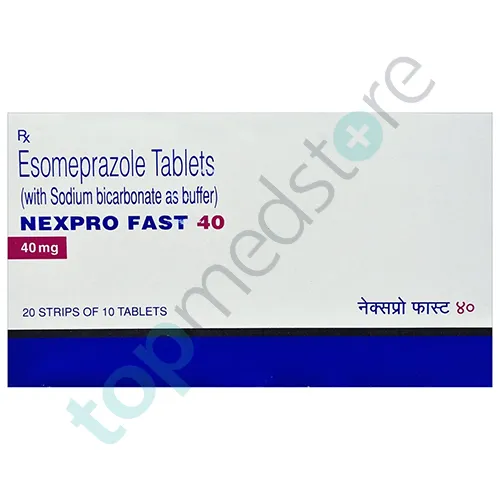
Omeprazole-Sodium Bicarbonate 20mg-5.9g
$37.40 – $122.40
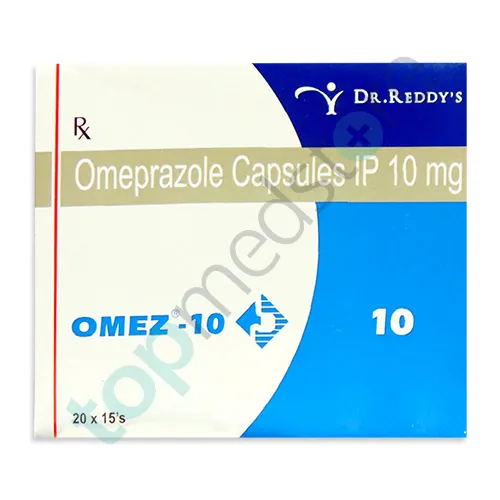
Omeprazole is a medicine used to reduce excess stomach acid. It belongs to a group of medicines called proton pump inhibitors (PPIs). Proton pump inhibitors work by lowering the amount of acid produced in the stomach.
Doctors commonly prescribe Omeprazole for conditions linked to acid irritation in the stomach and food pipe. The food pipe is also called the esophagus. When too much acid moves upward into the esophagus, it can cause burning pain in the chest known as acid reflux or heartburn.
Omeprazole is widely used to treat gastroesophageal reflux disease (GERD), stomach ulcers, and acid-related digestive problems. GERD is a condition where stomach acid repeatedly flows back into the esophagus and causes irritation.
This medicine is available as capsules, tablets, and oral suspensions. Some forms are prescription medicines, while lower-dose versions may be available over the counter in certain countries.
Omeprazole is often taken before meals, usually in the morning. Doctors may prescribe it for short-term symptom relief or long-term treatment depending on the patient’s condition.
Omeprazole lowers the amount of acid made by the stomach. The stomach normally produces acid to help digest food and kill harmful bacteria. However, too much acid can damage the lining of the stomach and esophagus.
Inside the stomach are tiny acid-producing pumps called proton pumps. These pumps release acid during digestion. Omeprazole blocks these pumps and reduces acid production.
When stomach acid decreases, irritated tissues inside the digestive tract get time to heal. This may reduce symptoms such as burning chest pain, sour taste in the mouth, stomach discomfort, bloating, and swallowing problems.
Reducing acid also helps stomach ulcers heal properly. Ulcers are open sores that form in the stomach or upper intestine.
Doctors sometimes combine Omeprazole with antibiotics to treat Helicobacter pylori (H. pylori) infection. H. pylori is a type of bacteria that may cause stomach ulcers.
Because Omeprazole works gradually, some people may need several days before they notice full symptom relief.
Omeprazole is mainly used to treat acid-related stomach and digestive conditions.
Doctors commonly prescribe it for acid reflux, heartburn, and GERD. These conditions may cause chest burning, throat irritation, chronic cough, and a bitter taste in the mouth.
Omeprazole is also used to treat gastric ulcers and duodenal ulcers. Gastric ulcers develop in the stomach lining, while duodenal ulcers form in the upper part of the small intestine.
The medicine may also help treat erosive esophagitis. This condition happens when stomach acid damages the lining of the esophagus.
Some patients with excessive acid production disorders such as Zollinger-Ellison syndrome may require long-term Omeprazole treatment. Zollinger-Ellison syndrome is a rare condition where tumors cause the stomach to produce too much acid.
Doctors may prescribe Omeprazole to protect the stomach in people who regularly use pain relievers called NSAIDs. NSAIDs include medicines like ibuprofen and naproxen, which may irritate the stomach lining.
Omeprazole may also help reduce symptoms such as:
Omeprazole works by blocking the stomach’s acid-producing pumps. These pumps are called proton pumps because they release hydrogen ions, which help form stomach acid.
After the medicine is absorbed into the body, it travels to acid-producing cells in the stomach lining. Omeprazole then blocks the final step of acid production.
With lower acid levels, the stomach and esophagus become less irritated. This helps reduce pain and allows damaged tissue to heal.
Omeprazole does not neutralize existing acid immediately like antacids do. Instead, it slowly lowers acid production over several hours. Because of this, doctors usually recommend taking the medicine regularly for the best results.
The medicine works best when taken before meals, especially before breakfast. Food activates acid pumps, so taking Omeprazole before eating improves its effectiveness.
Patients should swallow capsules or tablets whole unless their doctor gives different instructions.
Like all medicines, Omeprazole may cause side effects. Most side effects are mild and improve during treatment.
Common side effects include headache, stomach pain, nausea, diarrhea, constipation, gas, and vomiting.
Some people may also feel dizziness, tiredness, or dry mouth.
Long-term use of Omeprazole may increase the risk of certain health problems in some patients. These may include low magnesium levels, vitamin B12 deficiency, weakened bones, or certain intestinal infections.
Rare but serious side effects may include severe allergic reactions, kidney problems, severe diarrhea, or liver-related issues.
Patients should contact a doctor if they notice symptoms such as severe stomach pain, trouble swallowing, chest pain, black stools, or unexplained weight loss.
People should avoid taking Omeprazole for long periods without medical supervision.
This content is for informational purposes only and does not replace professional medical advice, diagnosis, or treatment. Always consult a doctor, gastroenterologist, or healthcare professional before starting or changing Omeprazole treatment. Use this medicine only as prescribed and follow medical advice carefully.
| Product name | Omeprazole |
|---|---|
| Category | Acid Reflux & GERD Medicines |
| Shipping offer | Free shipping on orders of $110.00 or more |
$37.40 – $122.40
$32.70 – $106.80
$29.70 – $97.20
$30.60 – $99.60