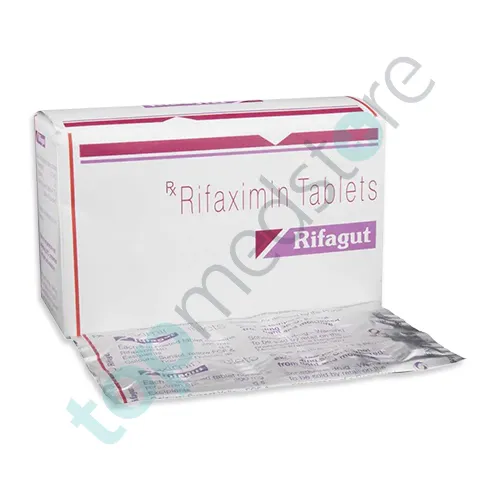
Rifaximin 200mg
$207.00 – $680.00
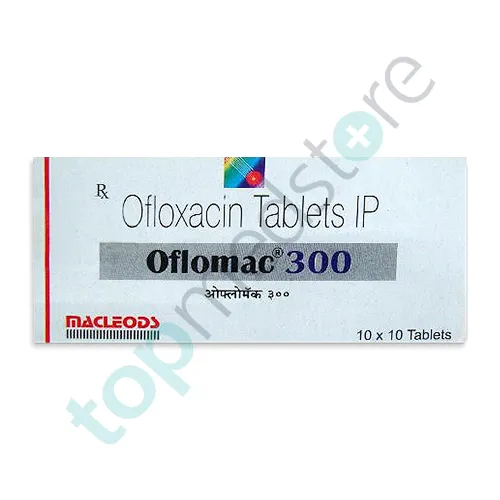
| Product name | Ofloxacin 300mg |
|---|---|
| Active Ingredient | Ofloxacin |
| Dosage | 300mg |
| Drug Type | Tablets |
| Indication | Bacterial Infections |
| Manufacturer | Macleods |
Total $171.90
Ofloxacin 300mg tablet is a prescription antibiotic medicine used for the treatment of moderate to severe bacterial infections in different parts of the body. It is commonly prescribed by a general physician, infectious disease specialist, and sometimes by a urologist or gastroenterologist, depending on the infection type and location.
This medicine contains ofloxacin as the active ingredient. It belongs to the class of fluoroquinolone antibiotics, which are widely used for their strong action against many types of bacteria. The 300mg strength is usually recommended when infections are more intense or when lower doses are not enough to control symptoms.
Bacterial infections can affect the urinary tract, stomach, intestines, lungs, skin, and soft tissues. If not treated properly, these infections may spread and lead to complications. Early and correct treatment helps in faster recovery and prevents worsening of symptoms.
Ofloxacin 300mg works by directly stopping the growth and spread of bacteria inside the body.
Bacteria multiply by making copies of their DNA. This medicine blocks two important bacterial enzymes called DNA gyrase and topoisomerase IV, which are essential for DNA replication.
When these enzymes are blocked, bacteria lose their ability to grow, repair, and multiply. As a result, the infection gradually slows down and starts reducing.
As bacterial activity decreases, symptoms such as fever, pain, burning sensation, swelling, and abnormal discharge begin to improve. The immune system then clears the remaining infection naturally.
This action helps the body recover in a controlled and effective way when the medicine is taken properly.
Doctors prescribe Ofloxacin 300mg tablet for a wide range of bacterial infections affecting different organs. A physician or specialist doctor decides the treatment based on clinical condition and infection severity.
It is commonly used for urinary tract infections (UTIs). These infections may cause burning during urination, frequent urination, and lower abdominal pain.
It is also used for gastrointestinal infections, including bacterial diarrhea, dysentery, and food poisoning, which may cause loose stools, stomach cramps, and dehydration.
In some cases, it is prescribed for respiratory tract infections, such as bacterial bronchitis, which can cause persistent cough, chest discomfort, and breathing difficulty.
It may also be used for skin and soft tissue infections, including infected wounds, boils, or cuts where bacteria enter damaged skin.
Ofloxacin mechanism of action is based on stopping bacterial DNA replication inside the body.
Bacteria depend on enzymes like DNA gyrase and topoisomerase IV to unwind and duplicate their DNA. This process is essential for their survival and growth.
Ofloxacin blocks these enzymes, which prevents bacteria from copying their genetic material.
Without DNA replication, bacteria cannot multiply or survive for long. Over time, they die off, and the infection is cleared from the body.
Because it works throughout the body systemically, it is effective in treating infections that affect multiple organs.
Ofloxacin side effects are usually mild to moderate and may not occur in every patient. Most effects improve as the body adjusts to the medicine.
Some patients may experience nausea, vomiting, or stomach discomfort, especially in the early days of treatment.
Headache or dizziness may occur and can make some patients feel slightly unsteady.
Some people may notice loss of appetite or mild weakness during the course of treatment.
Occasionally, sleep disturbances or restlessness can be experienced.
In rare cases, muscle or joint pain may occur, especially in sensitive individuals.
Very rarely, tendon pain or inflammation can develop, particularly in older adults or patients on prolonged therapy.
Allergic reactions such as skin rash, itching, or swelling are uncommon but require immediate medical attention if they appear.
Ofloxacin 300mg tablet should be used only under the supervision of a physician or qualified healthcare professional.
Always complete the full prescribed course, even if symptoms improve early. Stopping treatment too soon may allow bacteria to return and become resistant.
Avoid taking this medicine with milk, calcium-rich foods, or antacids, as they may reduce its absorption and effectiveness.
Inform your doctor if you have kidney disease, epilepsy, or a history of tendon problems before starting treatment.
Avoid strong sunlight or tanning beds, as this medicine may increase sensitivity to sunlight and cause skin reactions.
Be cautious while driving or operating machinery if you feel dizziness or reduced alertness.
Pregnant or breastfeeding women should take this medicine only if clearly advised by a doctor after careful evaluation.
If prescribed, you can order Ofloxacin 300mg tablets online from trusted pharmacy sources and continue your bacterial infection treatment safely under medical supervision.
This content is for educational purposes only. It does not replace medical advice. Always consult a qualified healthcare professional before starting or stopping Ofloxacin 300mg tablet.
$207.00 – $680.00
$83.10 – $211.20
$142.00 – $464.00
$58.50 – $147.60