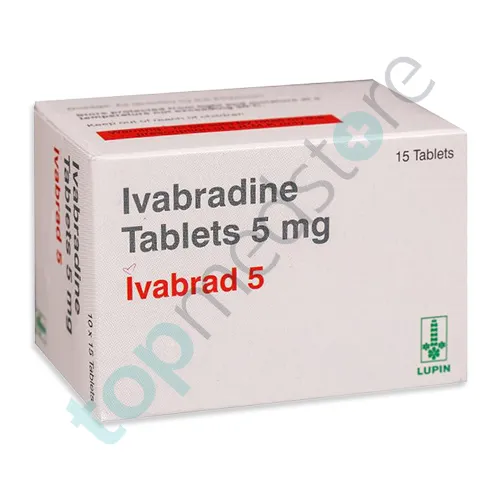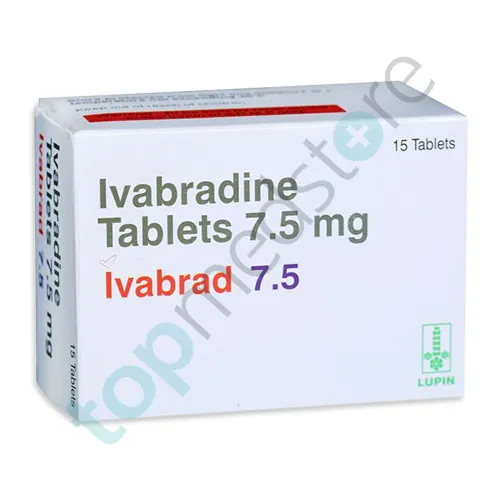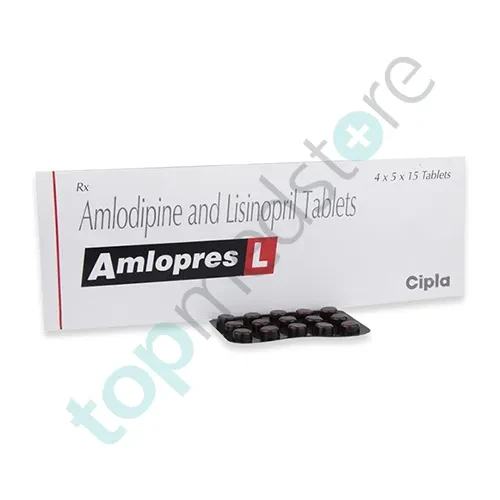
Amlodipine Lisinopril 5mg-5mg
$42.00 – $136.80
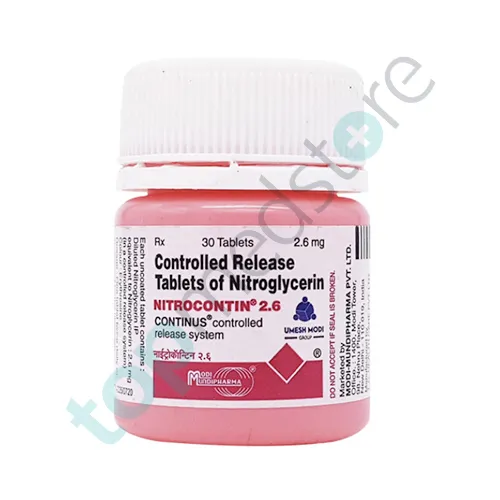
Nitroglycerin is a medicine used to treat and prevent chest pain, also called angina. Angina happens when the heart does not get enough oxygen-rich blood. This condition is common in people with heart disease or narrowed blood vessels.
Nitroglycerin belongs to a group of medicines called nitrates. Nitrates help relax and widen blood vessels. Wider blood vessels improve blood flow and reduce pressure on the heart.
Doctors often prescribe Nitroglycerin for people with coronary artery disease. Coronary artery disease happens when fatty deposits build up inside the blood vessels that supply blood to the heart.
Nitroglycerin is available in several forms. These include sublingual tablets, sprays, patches, ointments, and injections. Sublingual tablets are placed under the tongue. The medicine dissolves quickly and starts working fast during chest pain attacks.
This medicine is commonly used during sudden angina attacks and may also help prevent chest pain before physical activity or stress.
Nitroglycerin relaxes and widens the blood vessels in the body. This process is called vasodilation. Vasodilation means the blood vessels become wider, allowing blood to move more easily.
When blood vessels relax, the heart does not need to work as hard to pump blood. This lowers the heart’s oxygen demand and helps reduce chest pain.
Nitroglycerin also improves blood flow to the heart muscle. Better blood flow means more oxygen reaches the heart tissue.
The medicine works by releasing a substance called nitric oxide inside the body. Nitric oxide is a natural chemical that helps relax smooth muscles in blood vessel walls.
Because Nitroglycerin acts quickly, it is very useful during sudden angina attacks. Many people feel relief within a few minutes after taking a sublingual tablet or spray.
Doctors may also use Nitroglycerin in hospitals for certain emergencies linked to heart problems, high blood pressure, or heart failure.
Nitroglycerin is mainly used to treat and prevent angina pectoris, which is chest pain caused by reduced blood flow to the heart.
People with coronary artery disease often experience angina during exercise, emotional stress, or physical activity. Nitroglycerin may help relieve this pain quickly.
Doctors may prescribe Nitroglycerin to prevent chest pain before activities that may trigger angina. Some patients take the medicine a few minutes before climbing stairs, walking long distances, or exercising.
Nitroglycerin may also be used in certain heart-related emergencies. These may include:
In hospitals, Nitroglycerin injections may help control blood pressure and improve blood flow during serious heart conditions.
Long-acting Nitroglycerin patches and ointments are sometimes used for ongoing angina prevention. These forms release medicine slowly throughout the day.
Doctors decide the correct form and dose based on the patient’s condition, symptoms, and medical history.
Nitroglycerin works by relaxing the smooth muscles inside blood vessel walls. Smooth muscles are special muscles that control blood vessel size.
After entering the body, Nitroglycerin changes into nitric oxide. Nitric oxide sends signals that relax blood vessels and improve circulation.
When veins become wider, less blood returns to the heart. This lowers the amount of work the heart must do. As a result, the heart needs less oxygen.
The medicine also widens coronary arteries, which are the blood vessels that supply blood to the heart muscle. This helps increase oxygen delivery to heart tissues.
Sublingual Nitroglycerin tablets work very quickly because the medicine is absorbed directly through tissues under the tongue. Many patients feel relief within one to five minutes.
Patients should sit down before taking Nitroglycerin because the medicine may lower blood pressure and cause dizziness.
Doctors usually advise patients to keep Nitroglycerin tablets in their original container and protect them from heat, moisture, and sunlight.
Like all medicines, Nitroglycerin may cause side effects. Many side effects happen because the medicine widens blood vessels quickly.
The most common side effect is headache. Headaches happen because blood vessels in the head also relax and widen.
Other common side effects include dizziness, flushing, weakness, lightheadedness, and low blood pressure.
Some people may feel faint after standing up quickly. This happens because Nitroglycerin may temporarily reduce blood pressure.
Serious side effects are less common but require immediate medical attention. These may include severe dizziness, fainting, very slow heartbeat, difficulty breathing, or worsening chest pain.
People should never combine Nitroglycerin with medicines used for erectile dysfunction such as sildenafil or tadalafil unless approved by a doctor. Combining these medicines may cause a dangerous drop in blood pressure.
Patients should always follow their doctor’s instructions carefully and seek emergency medical help if chest pain does not improve after using Nitroglycerin.
This content is for informational purposes only and does not replace professional medical advice, diagnosis, or treatment. Always consult a doctor, cardiologist, or healthcare professional before starting or changing Nitroglycerin treatment. Use this medicine only as prescribed and follow all medical instructions carefully.
| Product name | Nitroglycerin |
|---|---|
| Category | Angina & Chest Pain Medicines |
| Shipping offer | Free shipping on orders of $110.00 or more |
$42.00 – $136.80
$142.20 – $468.00
$164.70 – $536.40
$27.60 – $90.00