Atenolol 50mg
$50.40 – $129.92
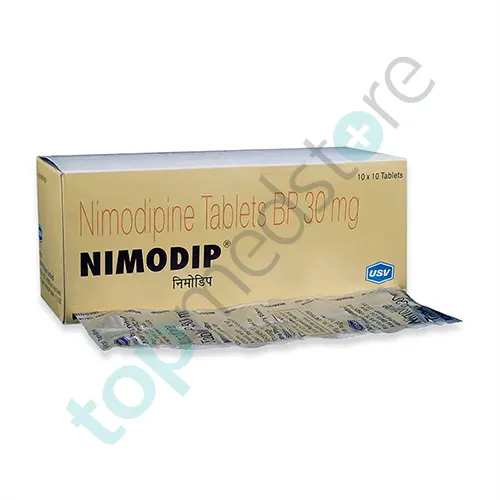
Nimodipine is a prescription medicine used to protect the brain after bleeding in the brain, especially a condition called subarachnoid hemorrhage. This is a type of brain bleed that happens in the space around the brain and can be life-threatening.
Doctors prescribe Nimodipine tablets to improve blood flow in the brain and reduce the risk of brain damage after bleeding. It belongs to a group of medicines called calcium channel blockers.
Calcium channel blockers are medicines that relax blood vessels. Blood vessels are tubes that carry blood throughout the body. When these vessels are relaxed, blood can flow more easily.
Nimodipine medicine is mainly used in hospitals or under strict medical supervision because it affects brain blood circulation.
It is not a general painkiller or routine blood pressure medicine. Its main role is to protect brain function after serious neurological conditions.
Nimodipine works by relaxing blood vessels in the brain.
After a brain hemorrhage, blood vessels can become narrow and tight. This reduces oxygen supply to brain tissue and may cause further damage. This condition is called cerebral vasospasm.
Nimodipine tablets help prevent or reduce this narrowing of blood vessels. By keeping vessels relaxed, the medicine improves blood flow to the brain.
Better blood flow means more oxygen reaches brain cells. Oxygen is important for keeping brain tissue alive and functioning properly.
The medicine mainly targets calcium movement in muscle cells of blood vessels. Calcium helps muscles contract. When calcium entry is blocked, blood vessels stay relaxed.
By improving circulation in the brain, Nimodipine medicine helps reduce the risk of complications after brain bleeding, such as stroke or permanent brain injury.
Doctors carefully monitor blood pressure and brain condition during treatment because the medicine can affect circulation.
Doctors prescribe Nimodipine mainly for brain-related conditions involving blood vessel problems.
The most important use is for prevention of brain damage after subarachnoid hemorrhage. This condition happens when there is bleeding around the brain, often due to a ruptured blood vessel.
Many patients use Nimodipine tablets in hospital settings after brain surgery or brain bleeding events to reduce complications.
Common uses of Nimodipine medicine include:
Cerebral vasospasm means narrowing of brain blood vessels, which can reduce oxygen supply and increase stroke risk.
Neurologists and neurosurgeons usually prescribe and monitor this medicine closely in intensive care or hospital environments.
It is not commonly used for general high blood pressure treatment unless specifically recommended by a specialist.
Nimodipine works by blocking calcium entry into blood vessel muscle cells in the brain.
Calcium helps muscles contract. When too much calcium enters these cells, blood vessels become narrow and tight.
Nimodipine tablets block calcium channels, which relaxes the blood vessel walls. This helps keep the vessels open and improves blood flow to brain tissue.
After a brain hemorrhage, blood clots and irritation can cause blood vessels to spasm. This reduces oxygen supply and increases the risk of brain damage.
By preventing this tightening, Nimodipine medicine helps maintain steady oxygen delivery to the brain.
The medicine is especially important during the recovery period after brain bleeding, when the risk of vasospasm is highest.
Doctors usually give it at regular intervals to maintain stable levels in the body.
Like all medicines, Nimodipine may cause side effects. Many are related to its effect on blood vessels.
Common side effects include low blood pressure, headache, dizziness, and flushing. Flushing means warmth or redness in the face or skin.
Some patients may feel weakness or lightheadedness, especially when standing up quickly. This happens due to reduced blood pressure.
Nimodipine tablets may also cause nausea or mild stomach discomfort in some people.
In rare cases, serious side effects may include very low blood pressure, fainting, or irregular heartbeat. These require immediate medical attention.
Because the medicine affects brain and body circulation, doctors carefully adjust the dose based on the patient’s condition and blood pressure levels.
Patients with liver disease or very low blood pressure must use this medicine only under strict supervision.
This content is for educational purposes only. It is not a substitute for professional medical advice, diagnosis, or treatment. Always consult a neurologist or healthcare provider before using Nimodipine tablets or changing your treatment plan.
| Product name | Nimodipine |
|---|---|
| Category | Circulation & Vein Care |
| Shipping offer | Free shipping on orders of $110.00 or more |
$50.40 – $129.92
$75.00 – $192.00
$35.28 – $89.60
$18.30 – $46.80