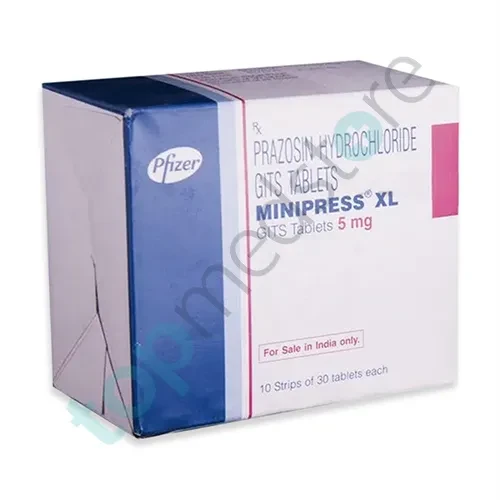
Prazosin ER 5mg
$88.20 – $288.00
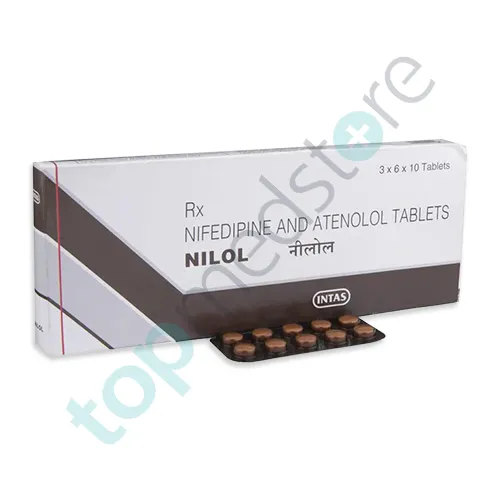
| Product name | Nifedipine-Atenolol 20mg-50mg |
|---|---|
| Active Ingredient | Nifedipine-Atenolol |
| Dosage | 20mg-50mg |
| Drug Type | Tablets |
| Indication | Hypertension |
| Manufacturer | Intas Pharma |
Total $53.40
Nifedipine–Atenolol 20mg–50mg tablet is a combination heart medicine used to treat high blood pressure and chest pain (angina). It contains two active ingredients: nifedipine and atenolol. A cardiologist (heart specialist) prescribes this medicine when one drug alone is not enough.
Nifedipine belongs to calcium channel blockers. Atenolol belongs to beta blockers. This combination gives a stronger effect. It helps control blood pressure and protects the heart from stress.
Nifedipine–Atenolol 20mg–50mg works on the heart and blood vessels together. Each medicine has a different role.
Nifedipine relaxes the blood vessel muscles. This makes the vessels wider. Blood flows more easily. This lowers blood pressure.
Atenolol slows down the heart rate. It also reduces the force of heart contraction. This lowers the workload on the heart.
Together, they improve blood circulation. They also reduce the risk of heart strain and cardiovascular complications.
Doctors prescribe Nifedipine–Atenolol tablet for several heart-related conditions. A cardiologist decides the dose based on the patient’s needs.
It is mainly used for hypertension (high blood pressure). High blood pressure means the force of blood against artery walls is too high. This can damage the heart, brain, and kidneys over time. This medicine helps control it effectively.
It is also used to treat angina pectoris. This is chest pain caused by reduced blood flow to the heart. The combination improves oxygen supply and reduces chest pain episodes.
In some cases, it may help manage fast heart rate (tachycardia). Atenolol slows the heart and keeps it steady.
Nifedipine–Atenolol mechanism combines two actions.
Nifedipine blocks calcium channels in blood vessels. Calcium causes muscles to tighten. When blocked, vessels relax. This causes vasodilation, which means widening of blood vessels.
Atenolol blocks beta-1 receptors in the heart. These receptors control heart rate and force. Blocking them slows the heart and reduces pressure.
This dual effect lowers blood pressure and reduces the heart’s workload. It also improves oxygen delivery to the heart muscle.
Patients may feel fewer angina attacks, better control of blood pressure, and improved overall heart function.
Nifedipine–Atenolol side effects can occur, but many are mild.
Common side effects include dizziness, fatigue, and headache. Some patients may feel slow heart rate (bradycardia) due to atenolol.
Nifedipine may cause flushing and swelling in ankles or feet. This is due to fluid buildup.
Some people may feel cold hands and feet. This happens because beta blockers reduce blood flow to the skin.
Other effects include nausea, weakness, and mild breathing discomfort in sensitive patients.
Rare but serious side effects include very low blood pressure, severe slow heart rate, or worsening heart symptoms. Seek medical help if symptoms become severe.
Nifedipine–Atenolol 20mg–50mg tablet should be taken under a cardiologist’s supervision. Follow the prescribed dose carefully.
Patients with asthma, diabetes, or heart rhythm problems should inform their doctor. Atenolol may affect these conditions.
Avoid alcohol during treatment. It can increase dizziness and lower blood pressure further.
Do not take this medicine if you have very low heart rate or severe heart block unless advised by a doctor.
Pregnant or breastfeeding women should consult a gynecologist and cardiologist before use.
Regular monitoring of blood pressure and heart rate is important. This helps ensure safe treatment.
Do not stop the medicine suddenly. This may cause a sudden rise in blood pressure or heart problems.
If prescribed, you can order Nifedipine–Atenolol 20mg–50mg tablets online from trusted pharmacy sources and continue your heart treatment without interruption.
This content is for educational purposes only. It does not replace medical advice. Always consult a cardiologist before starting or stopping Nifedipine–Atenolol 20mg–50mg tablet.
$88.20 – $288.00
$87.00 – $284.00
$28.50 – $93.60
$39.90 – $130.80